

Last updated October 31, 2026
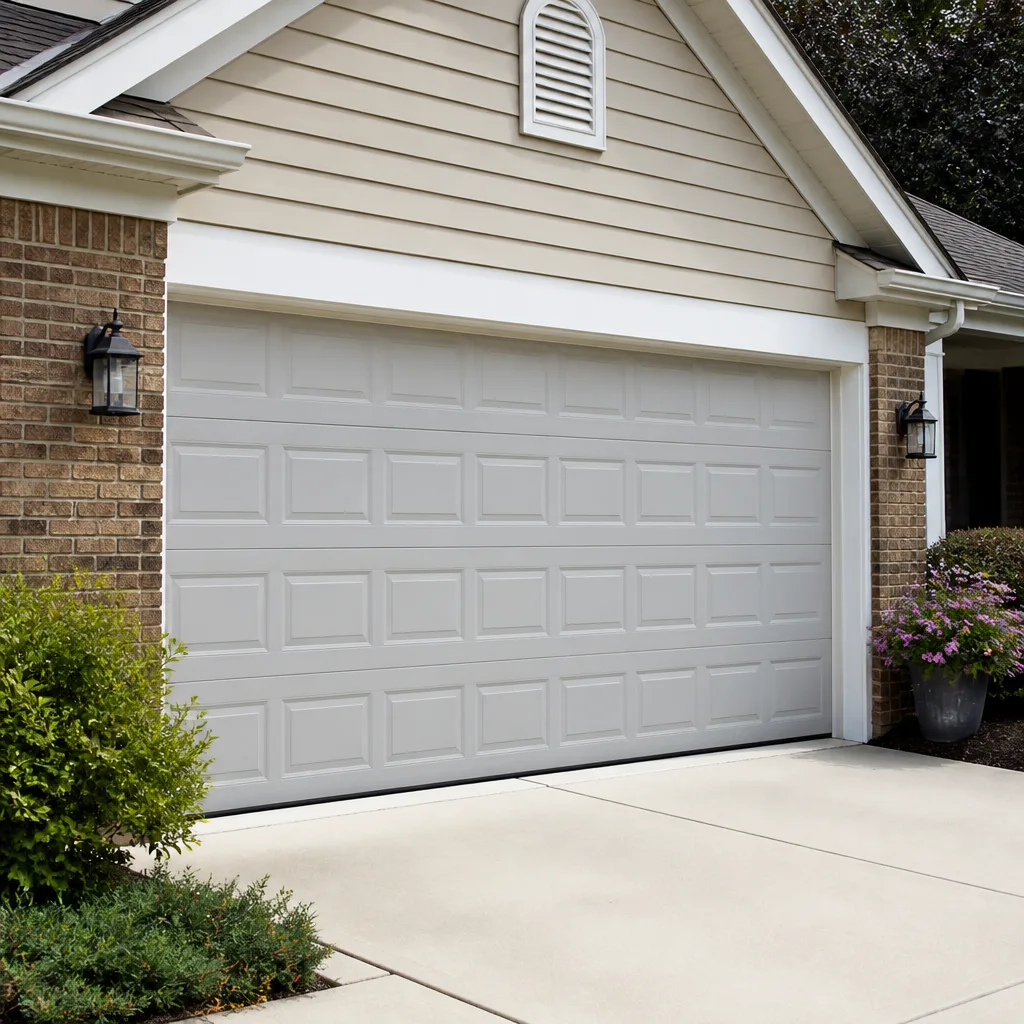 Raised-panel steel
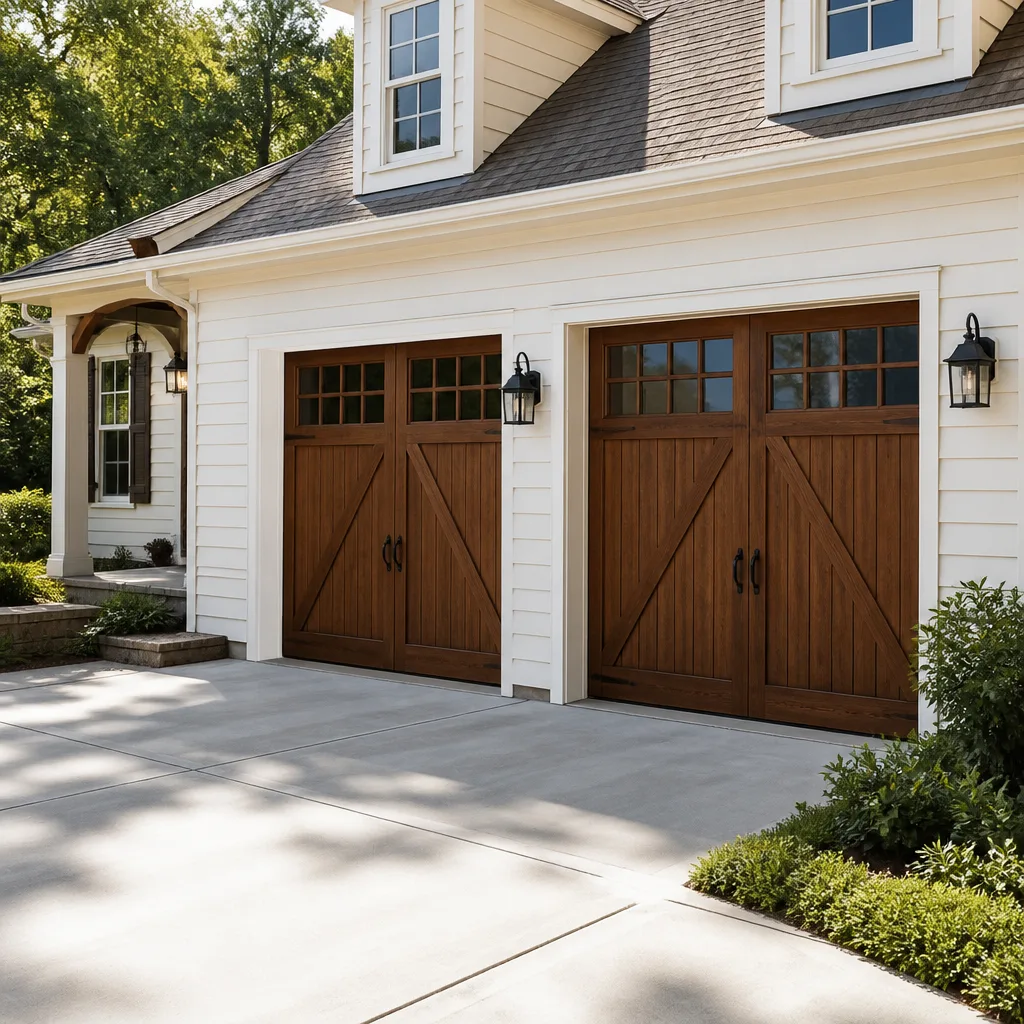 Carriage house
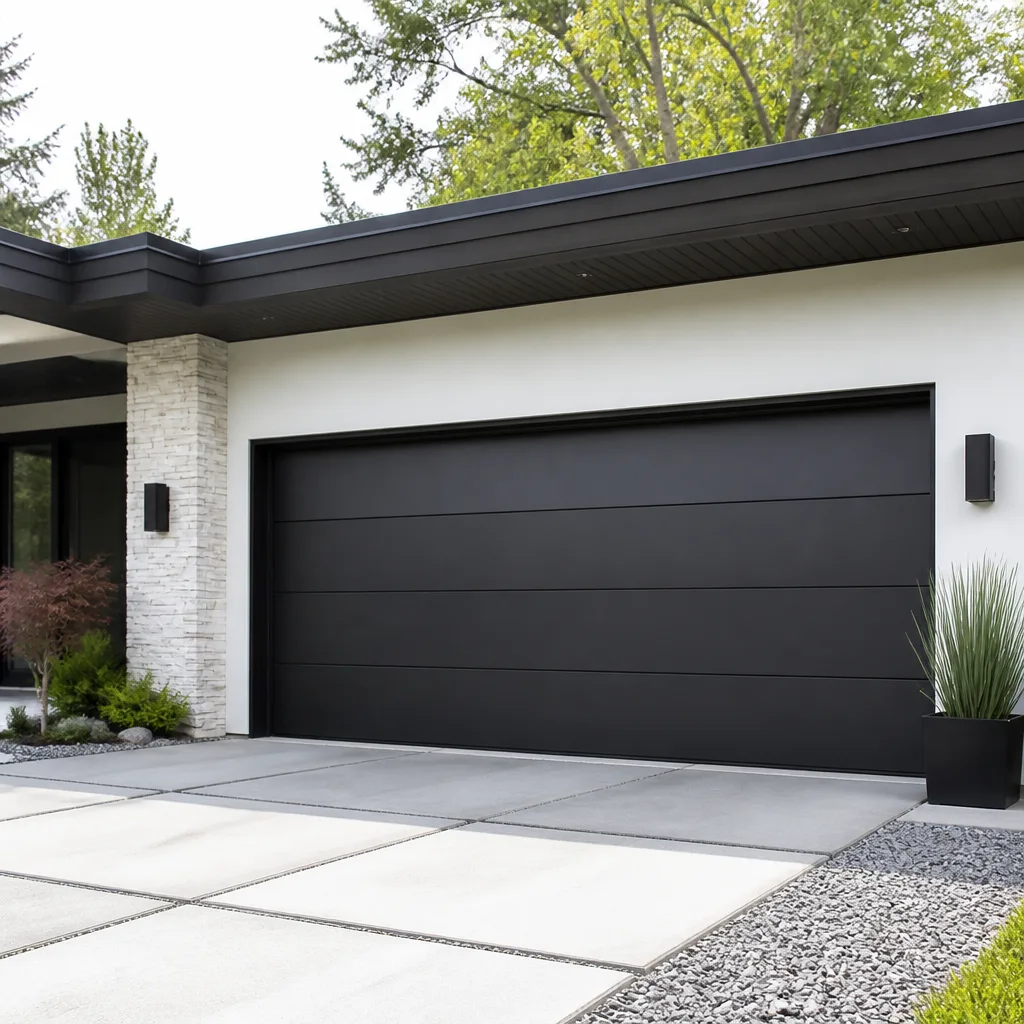 Modern flush
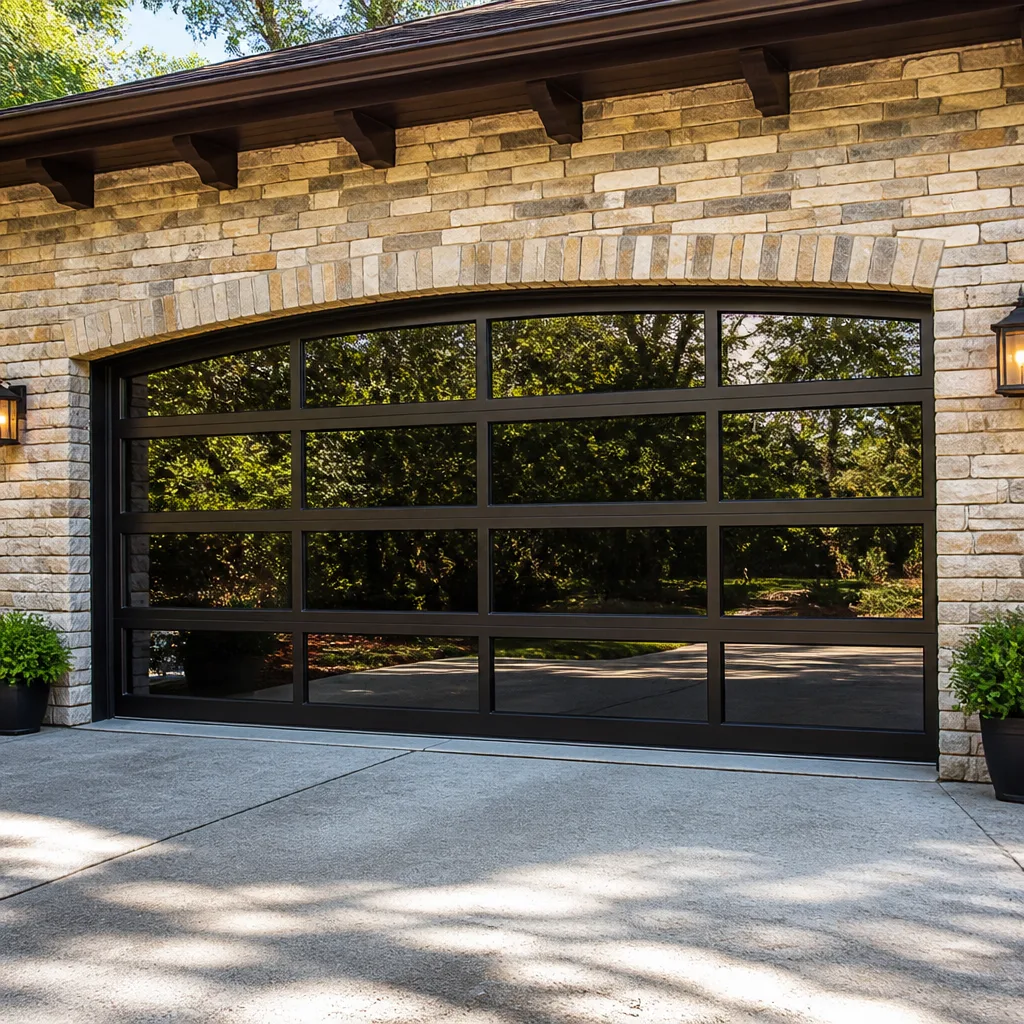 Full-view glass
 LiftMaster openers
 Chamberlain openers
Full 25-point door and opener safety check with every visit - springs, cables, rollers, tracks, and your LiftMaster or Chamberlain opener included
You get a price before we start. It does not change when the truck arrives.
Get your free estimateThe Complete Garage Door Repair Guide for Fort Myers Homeowners
The average garage door spring in Fort Myers corrodes roughly 40% faster than the same spring installed in a dry inland climate. That’s not a number from a manufacturer’s brochure. It’s what we see every week when we pull rusted springs, seized bearings, and salt-damaged cables off homes from Sanibel to Lehigh Acres. This guide explains why Fort Myers garage doors fail the way they do, which repairs you can safely handle yourself, which ones can put you in the emergency room, and how to diagnose your door’s specific failure mode before you spend a dollar on parts. For The Complete Guide to Garage Door in Fort Myers, see our full resource. If you own a home anywhere in Lee County, this is the repair manual written for your actual environment, not a generic national template.
Quick Answer
Our Garage Door Repair services in Fort Myers FL typically cost between $95 and $350 for most mechanical fixes, with spring replacement being the most common repair we perform. The biggest variable isn’t the part itself – it’s whether the failure was caused by Gulf Coast corrosion, hurricane-season strain, or normal wear, because each requires a different repair approach. For a door that won’t open, rattles, reverses mid-close, or has visible rust on load-bearing hardware, start by identifying the failure pattern below, then call (866) 472-5684 for a same-day diagnosis if the problem involves springs or cables.
Styles & brands we work with
Table of Contents
- How the Fort Myers Climate Destroys Garage Doors
- Reading Your Door’s Failure Mode: What Each Symptom Tells You
- Repairs a Fort Myers Homeowner Can Safely Do
- Repairs That Require a Professional, and Why
- Coastal vs. Inland Hardware: Why Galvanized Matters in Fort Myers
- The Fort Myers Seasonal Maintenance Calendar
- Common Mistakes to Avoid
- When to Call a Professional
- Frequently Asked Questions
How the Fort Myers Climate Destroys Garage Doors
Most garage door repair advice online is written for places where the air doesn’t actively attack metal. Fort Myers sits between the Gulf and the Caloosahatchee, which means two things happen to your garage door hardware that don’t happen in Orlando or Atlanta. First, airborne salt from the Gulf settles on every exposed metal surface, and combined with humidity that averages above 74% year-round, it creates a mild saline solution that accelerates oxidation. Second, the daily temperature swings cause metal to expand and contract, which opens microscopic gaps in protective coatings and lets moisture reach raw steel.
Here’s what that corrosion actually looks like on the ground, depending on how close you live to the water:
- Within 2 miles of the coast (Sanibel, Fort Myers Beach, McGregor Blvd area): Expect visible surface rust on springs and cables within 12-18 months of installation. Galvanized hardware is not optional here – it’s the minimum to reach a normal service life.
- 2 to 6 miles inland (downtown Fort Myers, Cypress Lake, Villas): Corrosion is slower but still measurable. You’ll see rust on unprotected hardware in 3-4 years, and early wear on rollers and hinges.
- 10+ miles inland (Gateway, Lehigh Acres, Buckingham): You’re closer to a “normal” climate, but summer humidity still causes condensation cycles inside metal tracks and windings. Lubrication schedules still matter more than they would in Arizona.
We inspect garage doors all over Fort Myers, and the pattern is consistent: the closer you are to the Gulf, the more important it is to use corrosion-resistant components. We’ll get into that in the hardware section below.
Reading Your Door’s Failure Mode: What Each Symptom Tells You
Your garage door tells you what’s wrong with it, long before it stops working entirely. Learning to read those signals saves you from overpaying for a simple fix or ignoring a serious one.
A Slow Door
When your door moves noticeably slower than it did six months ago, especially in the morning before the day heats up, you’re almost always looking at one of three things: a spring that’s losing tension, an opener motor that’s working harder than it should because of track friction, or rollers that have started to seize. In Fort Myers specifically, humid air causes rollers to bind as their ball bearings rust, which adds resistance the opener has to fight. If you have a Genie or Chamberlain opener, you may also notice the motor straining audibly before it noticeably slows – that’s the same problem presenting differently.
A Noisy Door
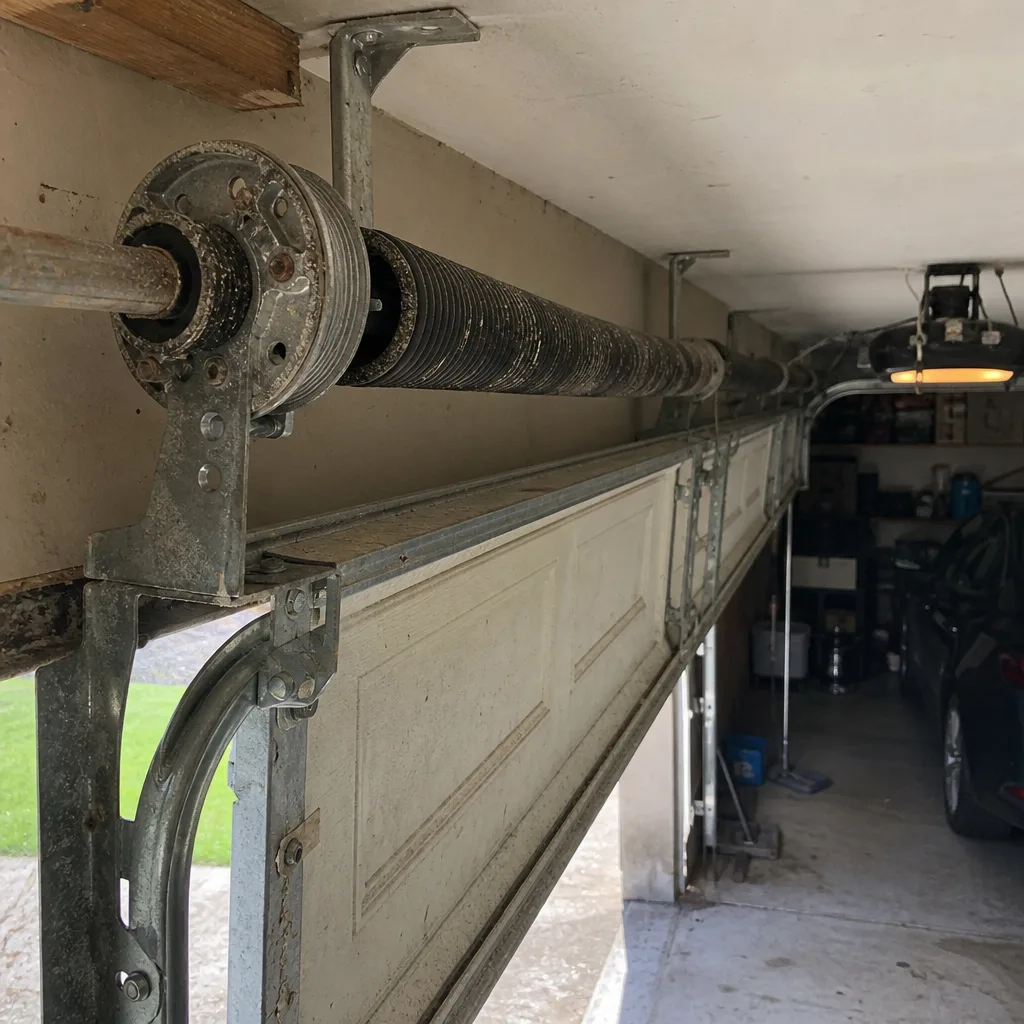
Noise without slowness usually means worn rollers or loose hardware. A grinding sound from metal rollers means the bearings are gone and the roller is sliding against the track. A popping or creaking sound at specific points in the travel arc means the track sections are out of alignment or a hinge is binding. A sharp bang when the door opens after staying closed overnight is often a rusted spring releasing built-up tension – common near the coast, and a sign the spring is nearing the end of its life.
A Door That Reverses Mid-Close
If your door goes down a few inches, then reverses back up, the safety sensors are the first thing to check. In Fort Myers, the most common cause is simple: morning condensation on the sensor lenses, especially in the wet season. Wiping the lenses with a dry cloth fixes it in seconds. But if the reversal happens higher up, or if you can see the door flexing as it descends, the issue is often a damaged panel or a track that’s developed a rust-induced rough spot. That’s a structural issue, not a sensor issue.
A Door That Won’t Open at All
Complete failure usually means a broken spring. You’ll know because the opener will run but the door won’t move, or you’ll hear a loud bang from inside the garage when the spring snaps. If the door is partially open and won’t move either direction with the opener disconnected, the spring is the prime suspect. This is also the most dangerous repair to attempt yourself, which we’ll cover below.
Repairs a Fort Myers Homeowner Can Safely Do
Not every garage door problem requires a service call. Here’s what you can handle safely, with a few Fort Myers-specific adjustments. See our DIY vs Professional Garage Door: The Fort Myers Homeowner’s Decision Guide for help deciding when to call in the pros.
1. Clean and Re-Aim the Safety Sensors
This is the most common DIY fix we talk homeowners through on the phone. The sensors sit near the bottom of the door, about six inches off the ground. In Fort Myers, they collect dust, sand, and salt film. Wipe both lenses with a clean, dry microfiber cloth. If the door is still reversing, check the small indicator lights on each sensor – they should both be solid green or amber, not blinking. Blinking means misalignment. Loosen the wing nut, adjust until the light goes solid, and tighten. This fixes maybe 60% of “my door won’t close” calls we get in Lee County.
2. Lubricate the Hinges, Rollers, and Springs
Use a garage-door-specific lithium or silicone spray, never WD-40, which is a cleaner and will strip lubricant. Spray the hinge pins, the roller bearings (not the track – lubricating the track collects sand and makes things worse in a coastal climate), and the spring coils. Wipe excess with a rag. Do this twice a year in Fort Myers, not once, because the salt air degrades lubricant faster than it evaporates.
3. Tighten Loose Hardware
Your garage door cycles thousands of times a year and vibrates constantly. Bolts and nuts on hinges, track brackets, and the opener rail work loose. Grab a socket set and snug them up – not over-tight. If you find a bolt that’s rusted to the point of crumbling, replace it with a stainless or galvanized version. You can find appropriate hardware at any Fort Myers hardware store.
4. Clearing Debris from Track Channels
Sand, small stones, and palm debris get kicked into the tracks, especially during windy dry-season days. Inspect the inside of both vertical and horizontal tracks with a flashlight. A narrow vacuum attachment removes loose debris. Do not use water, which accelerates rust in this climate.
Repairs That Require a Professional, and Why
Some garage door components carry enough stored energy to cause severe injury or death if mishandled. This isn’t scare language – it’s the reality of how garage doors are engineered.
Spring Replacement (Torsion and Extension)
Garage door springs operate under extreme tension. A torsion spring, the kind mounted above the door opening, holds the door’s entire weight and stores hundreds of pounds of torque when wound. If that spring snaps while you’re working on it, the release of energy can break bones or worse. Extension springs run along the horizontal tracks and stretch under load – they’ve been known to take off part of an ear or cheekbone when they fail. This is the number one garage door injury source in the country, and Fort Myers corrosion makes those springs more prone to sudden failure than in other markets. We send a trained technician to handle spring work 100% of the time, and we recommend you do the same.
Cable Replacement
The cables that connect springs to the bottom of the door are what transfer all that stored spring tension into lifting the panel. They’re under full load whenever the spring is wound. If you remove or loosen a cable incorrectly, the spring can unwind violently. This is not a task for a weekend maintenance session.
Installing a New Opener (Motor Unit)
Modern garage door openers, especially LiftMaster and Chamberlain models, require precise force-setting adjustments and often connect to your home’s electrical system. Incorrect installation can result in a door that fails to reverse on obstruction – which is exactly the safety failure that causes injuries. This work should be done by someone who installs these units regularly.
Panel Replacement
If you have a dented or rusted-through panel, replacing it involves working with the door’s weight distribution and often partially detensioning the springs. It’s heavier work than it looks, and doing it wrong can warp the remaining panels or damage the track alignment.
For any of the above, garage door repair in Fort Myers is a call away. We diagnose these failures every day and carry the right parts for most major brands on the truck.
Coastal vs. Inland Hardware: Why Galvanized Matters in Fort Myers
Here’s a distinction most garage door guides never make: a standard spring installed on a house in Fort Myers Beach will fail years before the same spring installed in Lehigh Acres. The reason is the salt air. The fix is hardware selection.
Galvanized springs and cables are coated with a layer of zinc that corrodes before the steel underneath does. It’s a sacrificial layer. In coastal environments, that zinc layer is the difference between a spring that lasts 5-7 years and one that snaps in 2 or 3. The same logic applies to hinges, brackets, and roller stems.
When we work on doors in Fort Myers, we recommend:
- Galvanized springs for any home within 6 miles of the coast – and for inland homes, we’ll still quote it as an option if the door’s original springs rusted prematurely.
- Stainless steel cables for coastal properties. Standard aircraft cable will rust and fray, especially near the bottom brackets where salt water drips off cars.
- Nylon-coated or nylon rollers instead of bare steel. Nylon rollers run quieter anyway, but the real benefit in this climate is that the bearings are sealed and don’t rust out from humidity.
- Aluminum or stainless track for severe coastal exposure. Standard galvanized track is fine for most Fort Myers homes, but if you’re right on the water, aluminum track is worth the upgrade.
If you inherited a garage door from a previous owner, it almost certainly has standard hardware unless someone specified otherwise. That’s fine – our garage door installation service in Fort Myers routinely upgrades coastal homes with corrosion-resistant components, and we’ll tell you honestly if your existing hardware is adequate for your distance from the Gulf.
The Fort Myers Seasonal Maintenance Calendar
Garage door maintenance in Southwest Florida follows a rhythm that’s different from anywhere else in the country. Here’s the schedule we recommend to homeowners throughout Fort Myers and Lee County.
April – May (Pre-Hurricane Season)
- Visually inspect all springs, cables, and hinges for rust. If you see significant corrosion, schedule a replacement before storm season puts stress on the door.
- Test the balance of the door: disconnect the opener and lift the door manually. It should stay in place at waist height without falling or rising. If it drops, the springs are weak and need attention.
- Lubricate all moving parts as described above.
- Check and reinforce the door’s horizontal track supports if your home is in a wind-borne debris zone, which includes most of coastal Fort Myers and Sanibel.
June – October (Hurricane Season)
During the wet season, condensation and salt spray accelerate. Your job during this period is monitoring, not major maintenance:
- Wipe down sensor lenses with a dry cloth whenever you notice the door reversing for no reason – especially on humid mornings.
- Check the bottom seal for signs of mold, mildew, and warping. A damaged seal lets rainwater in, which accelerates floor-level rust on cables and bottom brackets.
- After any storm with winds above 50 mph, inspect the track for sections that shifted or bent. Even minor misalignment will worsen and eventually bind the door.
November – March (Dry Season)
This is the best season for deeper maintenance work in Fort Myers. The lower humidity means you can clean, lubricate, and make repairs without afternoon thunderstorms interrupting you:
- Deep-clean tracks with a dry brush and vacuum. Do this when the air is driest, so moisture doesn’t sit in the channel.
- Lubricate springs and rollers, and check for any dry corrosion that built up over the summer.
- Test the auto-reverse safety feature: place a 2×4 flat on the ground under the door’s path and close the door. It should reverse within 2 seconds of contact. If it doesn’t, that’s a garage door opener repair in Fort Myers issue that needs professional attention.
- Schedule your annual professional inspection. This is the time of year when we catch corrosion early and replace parts before they become emergency failures.
Common Mistakes to Avoid
- Using WD-40 or household oil on moving parts. These products clean, but they don’t lubricate garage door components properly. In Fort Myers, they also attract sand and road grit that turns into an abrasive paste in the track.
- Ignoring a slow or noisy door because it “still works.” Every month you defer a corroded spring replacement, the spring continues to weaken and the opener motor works harder, shortening its lifespan. A $150 spring replacement becomes a $600 motor replacement.
- Painting over rusted hardware without replacing it. Rust in garage door components is structural, not cosmetic. Paint hides the damage while the metal continues to thin underneath.
- Trying to “just adjust” a torsion spring yourself. The winding cone on a torsion spring holds enough stored energy to fire a socket wrench across the garage. This is the single most dangerous thing a homeowner can attempt on a garage door.
- Replacing one spring when the other is the same age. Springs are installed in pairs and wear at the same rate. If one snapped, the other is weeks or months from doing the same. Replace both.
- Skipping the balance test during hurricane season. A door that’s slightly out of balance is more likely to blow in or jam during a tropical storm, because the springs aren’t holding the weight evenly. Test balance every spring.
- Buying generic hardware for a coastal home. If you live within six miles of the Gulf, standard non-galvanized hardware simply won’t last. The few dollars you save now will be paid back triple when the spring fails prematurely and takes the opener motor with it.
When to Call a Professional
You need a garage door professional when the repair involves stored energy, structural weight, or safety systems. That means any broken or visibly rusted spring, any frayed or snapped cable, any panel replacement, or any opener that fails its auto-reverse test. These are the jobs where doing it wrong costs more than doing it twice, and where doing it wrong can hurt someone. We also recommend a pro when you’re not sure what’s wrong – a correct diagnosis is cheaper than throwing parts at a guess. We work on the brand you already have, from the spring to the opener, and we diagnose the actual failure before we quote a repair. Diamond Garage Door Co offers free estimates in Fort Myers – call (866) 472-5684 and we’ll tell you exactly what’s wrong and what it costs to fix before any work begins.
Frequently Asked Questions
Garage door repair in Fort Myers typically ranges from $95 for a minor roller or sensor fix to $350 for a spring replacement, with most jobs landing between $150 and $275. The price depends on the specific parts, the door’s size, and whether the issue is isolated or involves corrosion that’s spread through multiple components. We quote every repair upfront before work starts, so you’ll never be surprised by the final invoice. Call (866) 472-5684 for an exact quote – estimates are free.
Salt air and high humidity in Fort Myers cause springs to corrode from the outside, even when they’ve never been exposed to rain. That corrosion creates weak points that fail under normal cycling. It’s why we recommend galvanized springs for homes within six miles of the coast, and why coastal springs simply don’t last as long as inland parts unless they’re specified for the environment.
No. Garage door springs, especially torsion springs, are under hundreds of pounds of tension and can cause severe injury or death if they release suddenly. This is the one repair where we never recommend a DIY approach, no matter how handy you are. A trained professional has the tools and experience to do it safely.
Condensation on the safety sensor lenses is the most common cause of a garage door that reverses only in the morning. Fort Myers humidity means the sensors often develop a film of moisture or salt overnight, which blocks the infrared beam. Wiping both lenses with a dry cloth usually resolves the issue immediately.
Yes. Diamond Garage Door Co services all major brands including Clopay, Amarr, Wayne Dalton, Genie, LiftMaster, and Chamberlain. We’re factory-familiar with all eight of the most common systems, which means we diagnose your existing equipment correctly and install the right parts the first time. We work on the brand you already have, not just what we’d sell you as a replacement.
The best time for annual maintenance in Fort Myers is between November and March, during the dry season. Lower humidity means cleaner working conditions and no afternoon thunderstorm interruptions. We also recommend a pre-hurricane-season check in April or May to make sure springs, cables, and tracks are ready for storm stress.
The Bottom Line
Garage door repair in Fort Myers isn’t the same job as it is in Phoenix or Nashville. The salt air, the humidity, and the hurricane-season stress change how your door fails, how fast it fails, and what parts you need to fix it. Most spring failures and cable breaks in this region are corrosion-driven, not wear-driven. Understanding that distinction changes everything about how you maintain your door – from which hardware you choose to how often you lubricate it. If you catch problems early, most repairs are simple and affordable. If you wait until the door won’t open, you’re usually facing a bigger job. Our advice: do the simple seasonal checks, respect the danger of springs and cables, and when something’s wrong, call a professional who knows Fort Myers doors. For more guides & resources, visit our blog. We do this work every day, and we’re happy to give you a straight answer about what your door needs.
Written by the team at Diamond Garage Door Co, serving Fort Myers since 2016.
See the difference
 Before
 After
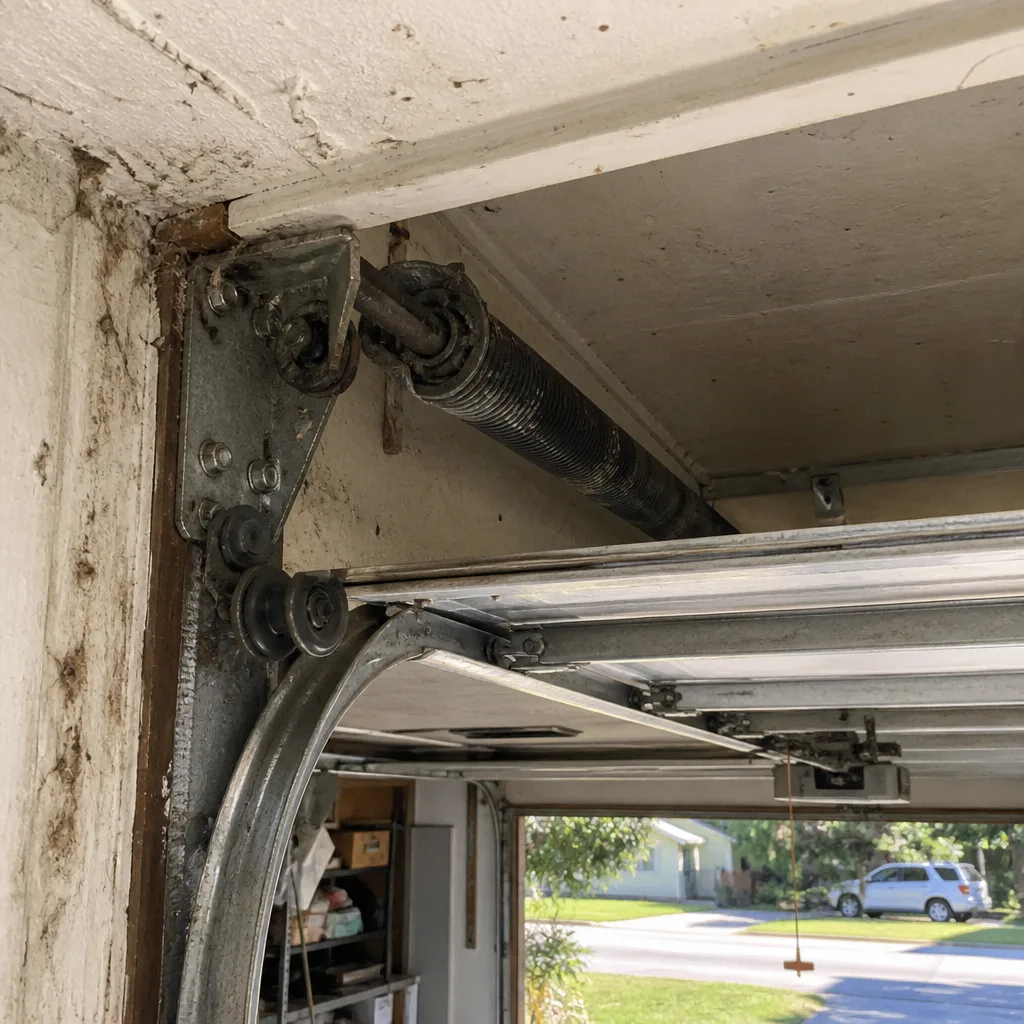 Before
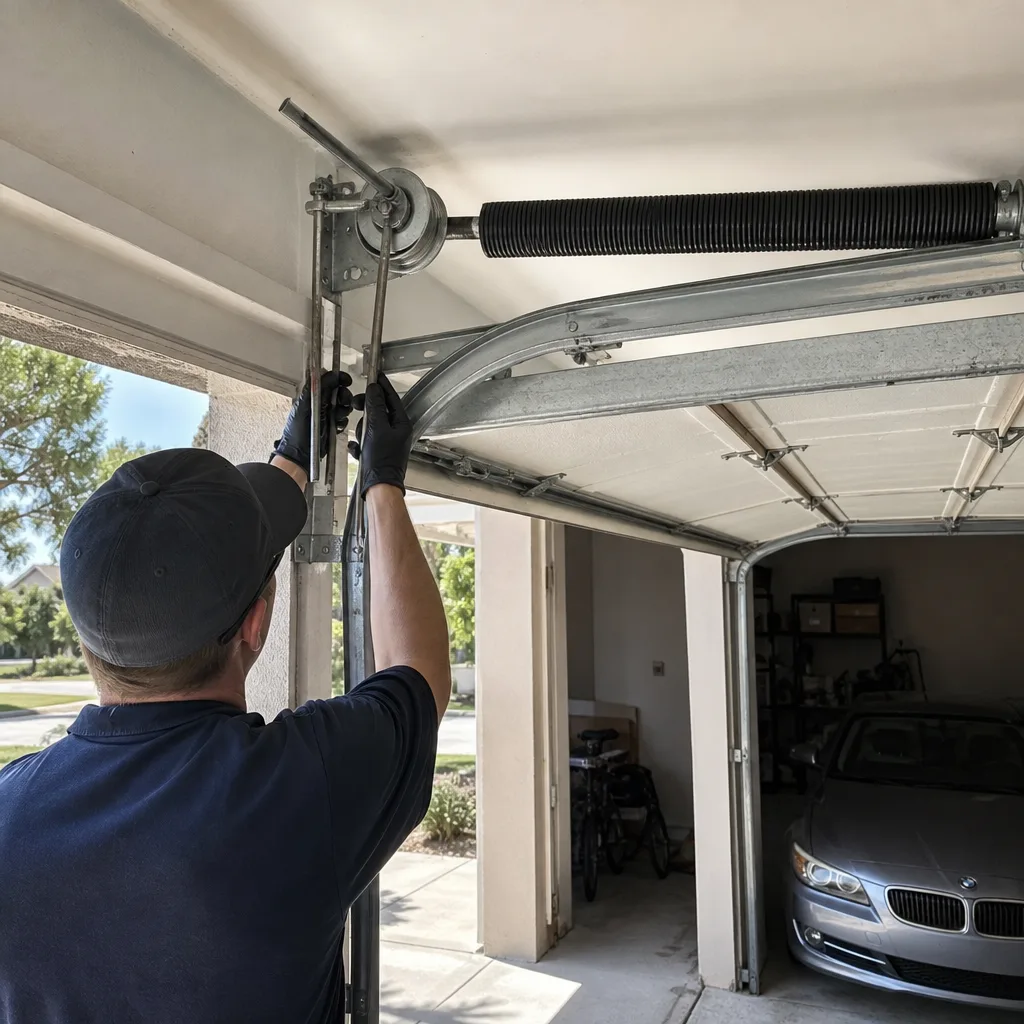 After
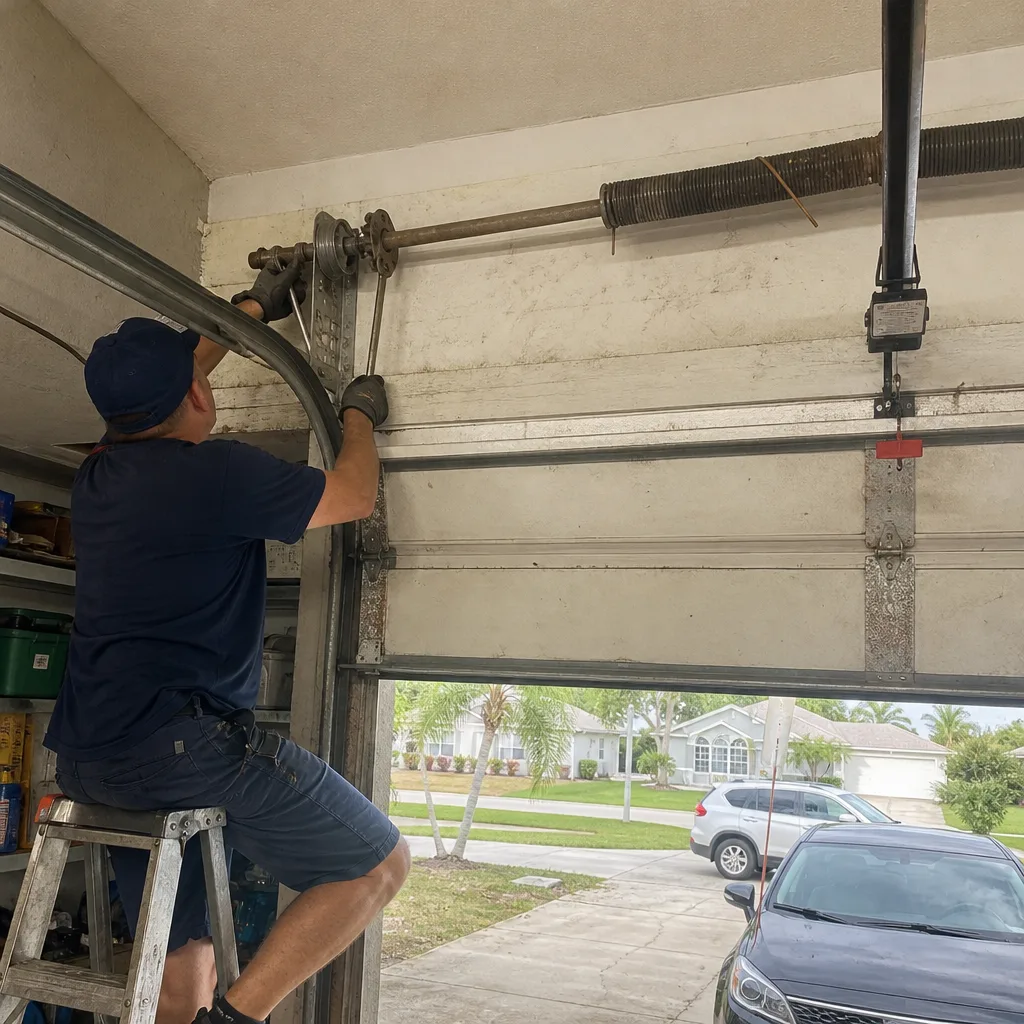 Before
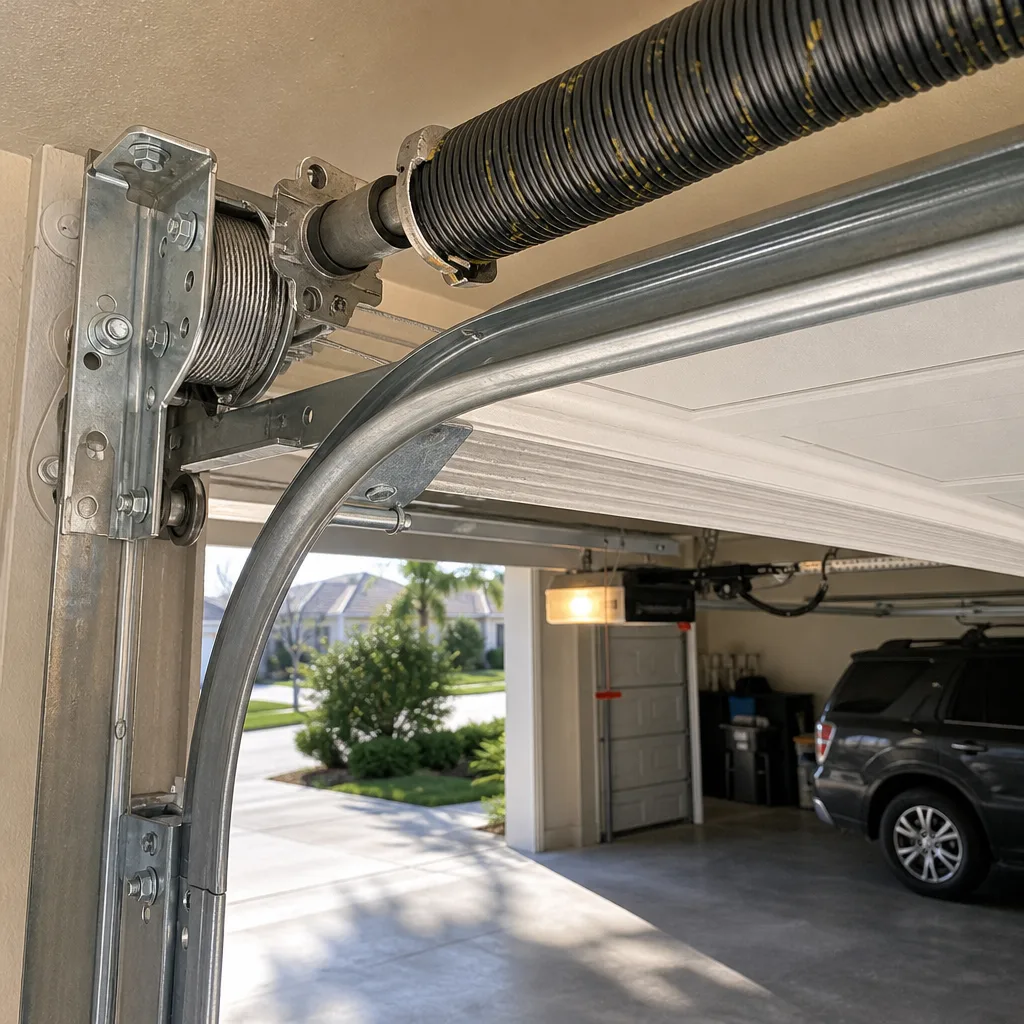 After