

Last updated October 31, 2026
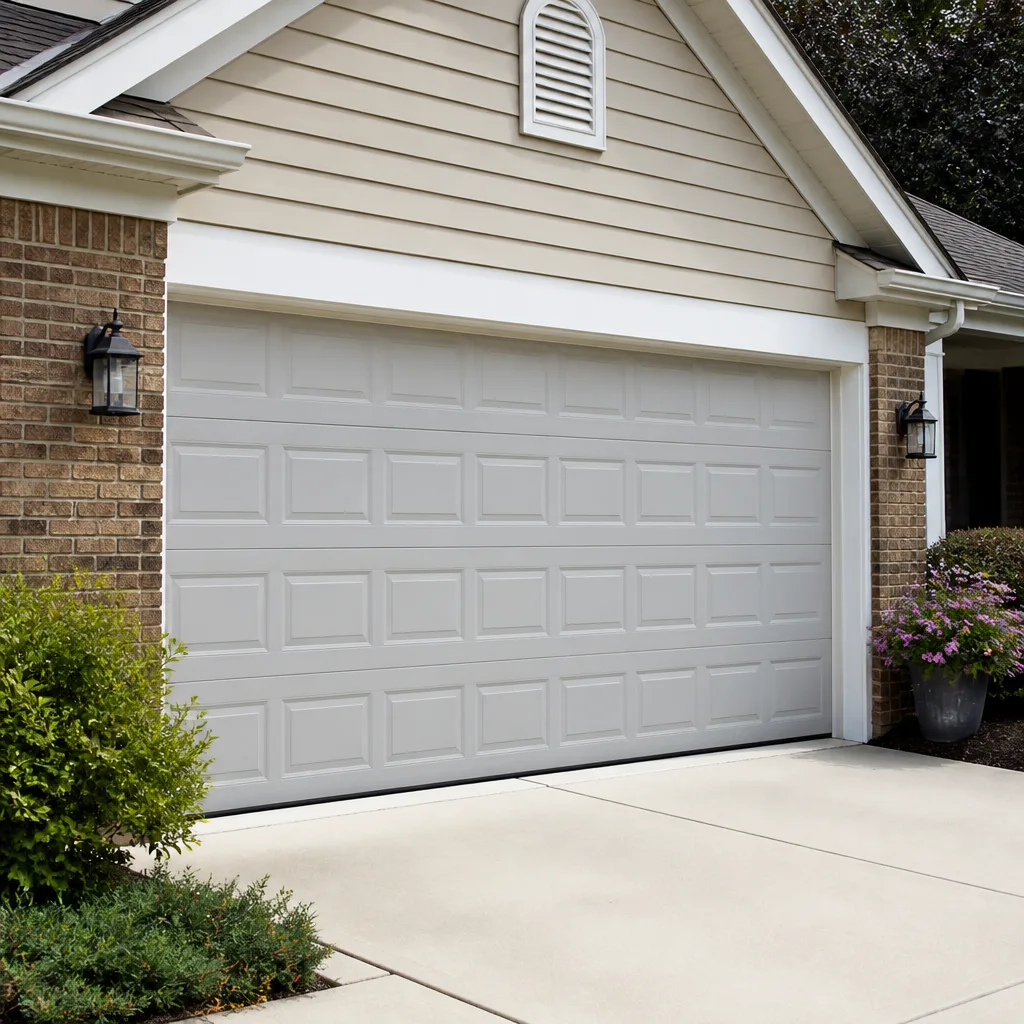 Raised-panel steel
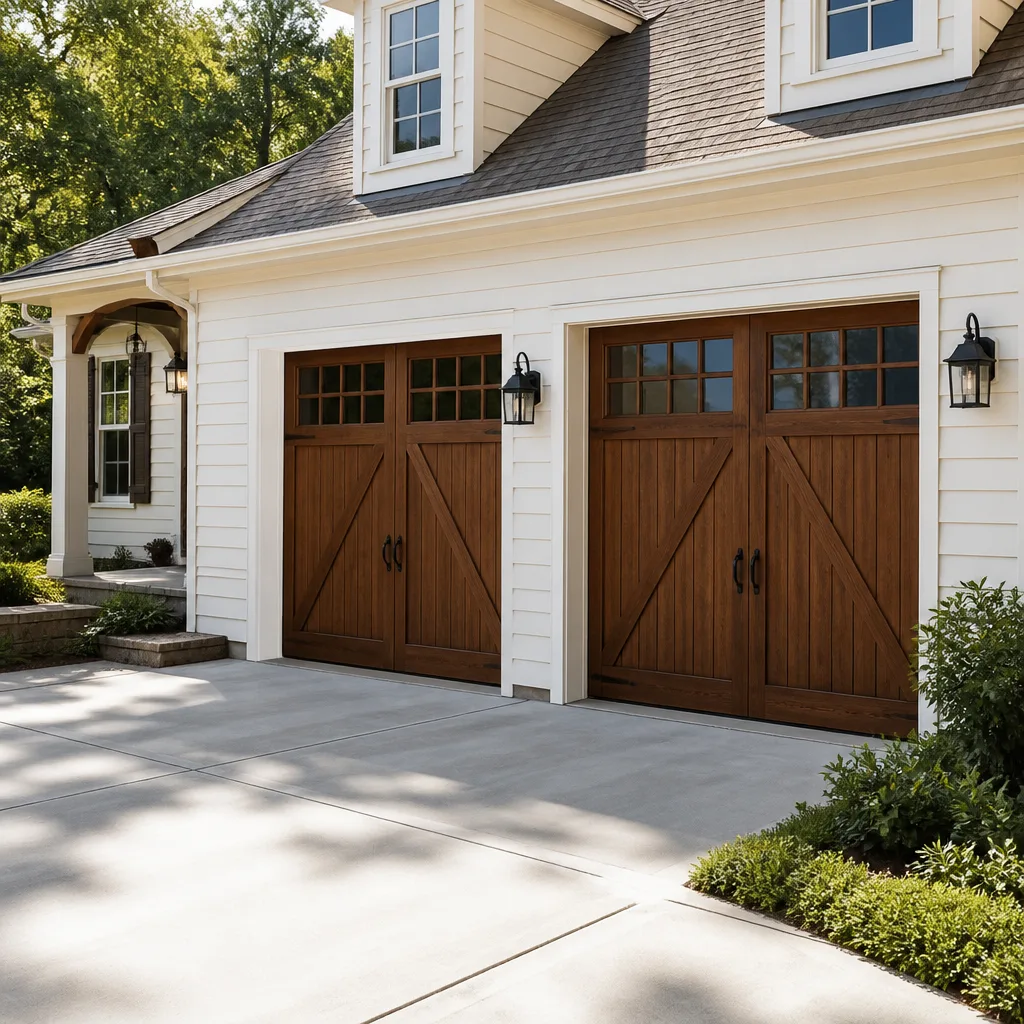 Carriage house
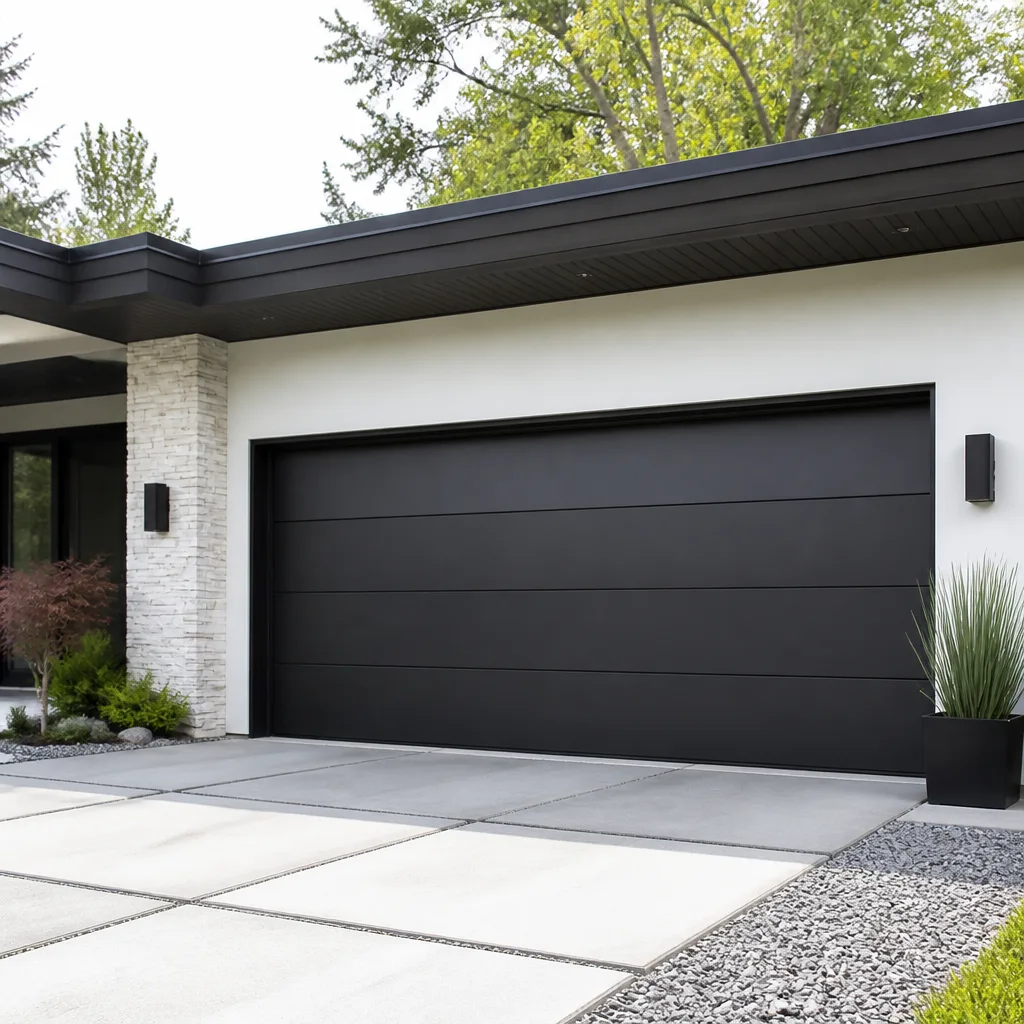 Modern flush
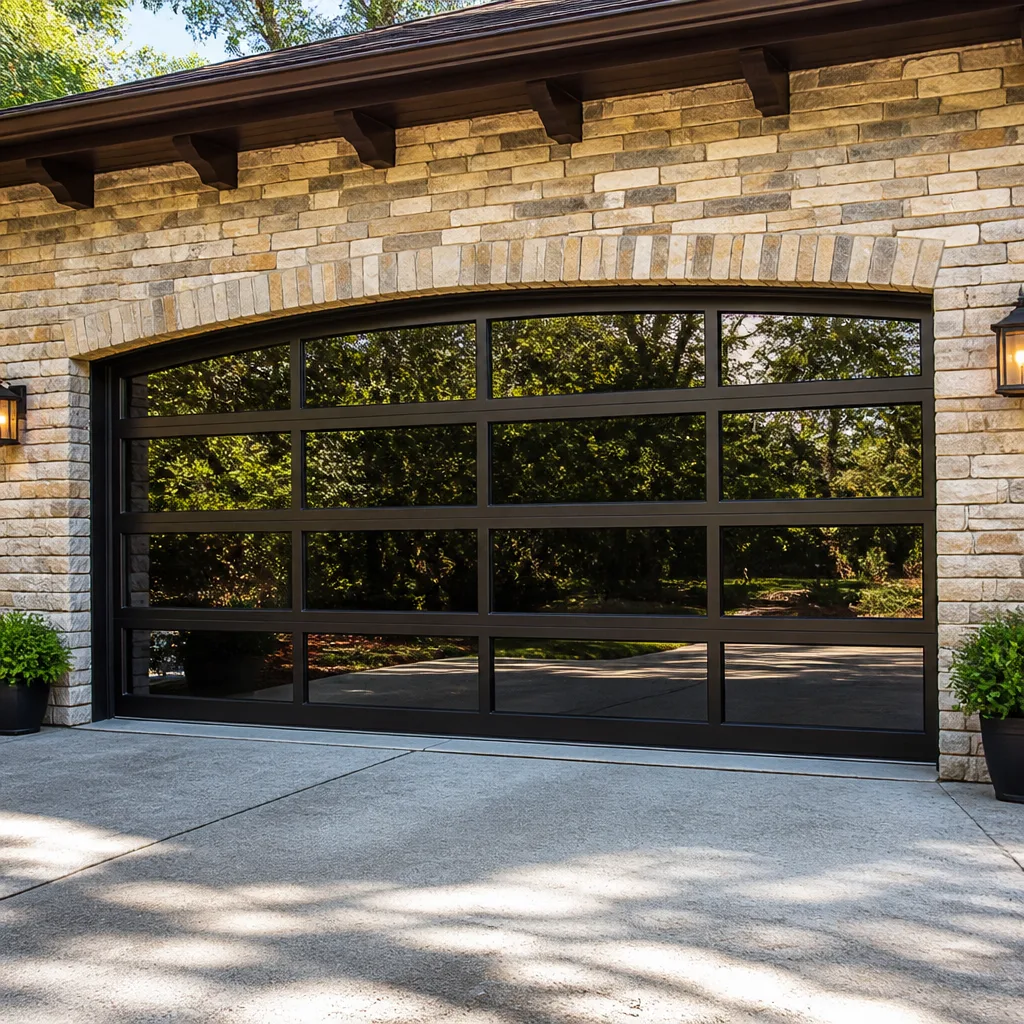 Full-view glass
 LiftMaster openers
 Chamberlain openers
Full 25-point door and opener safety check with every visit - springs, cables, rollers, tracks, and your LiftMaster or Chamberlain opener included
You get a price before we start. It does not change when the truck arrives.
Get your free estimateDIY vs Professional Garage Door: The Fort Myers Homeowner’s Decision Guide
Torsion spring replacement sends roughly 2,000 people to emergency rooms every year in the United States. Not because homeowners are careless. Because the stored energy in a wound spring is genuinely dangerous without the right tools and the right sequence. This guide answers the question every Fort Myers homeowner eventually asks: which garage door repairs can you safely handle yourself, and which ones should you never touch? For Garage Door Emergency Preparedness Guide for Fort Myers Homes and more, keep reading. You’ll get a hard-line task list, the real cost math including tools and time, how Fort Myers humidity changes DIY outcomes, and the warranty implications most guides skip.
Quick Answer
Most garage door maintenance in Fort Myers is safe to DIY: lubrication, sensor alignment, remote programming, and track cleaning. But torsion springs, cable drums, and structural panel replacement carry serious injury risk and should always go to a professional. The smart line is this: anything that stores mechanical energy or bears load is a professional job. Everything else is fair game if you have the right information.
Styles & brands we work with
Table of Contents
- What’s Safe to DIY: The Definitive List
- What You Should Never DIY: Torsion Springs, Cables, and More
- How Fort Myers Humidity Changes Everything
- The Warranty Minefield: What DIY Voids
- The Real Cost Comparison: DIY Parts vs Professional Repair
- When Online Advice Doesn’t Match Your Door
- Common Mistakes to Avoid
- When to Call a Professional
What’s Safe to DIY: The Definitive List
We’ll be direct about this because most guides dance around it. There are exactly four garage door tasks we consider genuinely safe for a Fort Myers homeowner with basic tools and patience. Learn these, do them well, and you’ll extend the life of your door between professional service calls. Everything beyond this list belongs in the next section.
- Lubrication. Use a white lithium grease or silicone-based lubricant on hinges, rollers, and the opener rail twice a year. In Fort Myers, the salt air and humidity accelerate corrosion on exposed metal parts, so twice-yearly lubrication is not optional if you want to avoid premature roller wear. Do not use WD-40 as a primary lubricant. It displaces moisture but strips heavier lubricants and leaves metal vulnerable.
- Photo-eye sensor alignment. If your door reverses immediately after touching the floor, or refuses to close at all, the sensors near the floor tracks are likely misaligned. Loosen the wing nut, adjust the sensor until the indicator light is steady, and tighten. This takes five minutes and requires no special tools.
- Remote and keypad programming. Every major opener brand has a simple learn-button sequence. LiftMaster, Chamberlain, and Genie all use a colored button on the motor unit. Hold it until the light blinks, press the remote button, done. If the programming fails after multiple attempts, the issue is usually the logic board, not user error, and that’s a professional fix.
- Track cleaning and inspection. Clear visible debris from the vertical and horizontal tracks with a damp cloth. Check for gaps between the track and the wall, loose bolts, and rust spots. Tighten what’s visibly loose with a socket wrench. Stop there. Track realignment and re-shimming require removing tension from the system.
These four tasks account for roughly 70% of what maintenance-minded homeowners should ever attempt. If a problem is not on this list, the risk of making it worse exceeds the money you’d save. From our experience working across garage door repair in Fort Myers, we see more damage from well-intentioned DIY attempts on the wrong task than from normal wear and tear.
What You Should Never DIY: Torsion Springs, Cables, and More
This section matters more than any other on this page. If you remember one thing, remember this: any component that stores mechanical energy or bears the door’s weight is not a beginner’s task. The tools required are specialized, the sequence matters, and the failure mode is a steel bar moving fast enough to break bone.
The No-Touch List
- Torsion springs. The spring above the door stores hundreds of pounds of rotational force when wound. The winding bars used to adjust it are two feet of steel, and if the spring unwinds unexpectedly, that bar becomes a projectile. This is the single most dangerous repair in residential construction. Even with the right bars, the sequence of quarter-turns, set screws, and tension checks leaves no room for guesswork.
- Extension springs and safety cables. Older doors and some Wayne Dalton models use extension springs along the horizontal tracks. When one snaps, the broken end can whip through the air. The safety cable running through the spring is a code requirement precisely because of this. Replacing these springs under tension without the proper stretching tool is a shortcut to a hospital visit.
- Cable drums and lift cables. The cables running from the bottom brackets to the drums carry the full weight of the door. If a cable frays, it’s a symptom of a deeper issue: worn drums, a misaligned track, or an unbalanced door. Cutting a cable without properly securing the door first releases that weight all at once.
- Structural panel replacement. A single damaged panel on a sectional door seems straightforward to swap. It is not. Panels are under load from the moment they come off the track. Reinstalling one without matching the original hinge pattern, strut placement, and manufacturer specs compromises the entire door’s integrity. On Amarr and Clopay doors especially, the strut system is engineered for the full panel assembly, not piecemeal replacement.
- Opener logic boards and internal gears. Modern openers are electronics. Diagnosing a failing board requires a multimeter and an understanding of the unit’s wiring harness. Repairs to garage door openers in Fort Myers are done most safely by someone who has opened a hundred of them and knows what a burned contact looks like.
Fort Myers building codes adopted from the Florida Building Code require that any work involving load-bearing door components be done in compliance with manufacturer instructions. See our Garage Door Permits, Codes & Inspections in FL: What You Need to Know for details. If a spring fails after a DIY installation, your homeowner’s insurance may review that repair and deny a claim tied to it. The risk is not only physical. It’s financial.
How Fort Myers Humidity Changes Everything
You cannot apply generic garage door advice from a Michigan blog to a garage in Lee County. The climate here changes what fails, when it fails, and what happens when you fix it with the wrong product. Fort Myers humidity averages above 70% for most of the summer, and the salt content in the air near the Caloosahatchee and the Gulf accelerates oxidation on exposed metal.
What Humidity Does to Garage Door Systems
- Rollers degrade faster. Nylon rollers with sealed bearings survive Fort Myers conditions far better than steel rollers, which rust and seize within a few seasons. If you’re lubricating rusty steel rollers, you’re slowing the decline, not fixing it. Professional replacement with sealed-bearing nylon rollers is one of the highest-value upgrades for coastal garages.
- Fasteners corrode. The galvanized bolts and lag screws holding your track brackets to the wall are slowly oxidizing. Attempting to loosen a rusted lag screw with a standard socket often strips the head or snaps the screw. Professionals use impact tools and penetrating oil, and they know when to drill and re-anchor instead of forcing it.
- Lubricant choice matters more. In dry climates, almost any lubricant works. In Fort Myers, a heavy grease attracts dirt and creates an abrasive paste. A silicone-based dry lubricant resists moisture and does not become a magnet for grit. If you’re doing the DIY lubrication from the safe list above, spend the extra few dollars on silicone.
- Spring life is shorter. The average torsion spring is rated for 10,000 cycles, which translates to roughly 7-10 years of normal use. But in a humid coastal environment, micro-pitting on the spring coil accelerates stress fractures. We regularly see springs in Fort Myers fail at the 5-7 year mark even on well-maintained doors.
None of this means you should replace everything preemptively. It means the maintenance interval here is shorter than the national average, and the consequences of using the wrong product are more severe. Adjust your DIY schedule accordingly.
The Warranty Minefield: What DIY Voids
Most Fort Myers homeowners do not read the warranty language on their garage door or opener until they need to file a claim. By then, it’s often too late. Manufacturers set conditions on their warranties, and some of the most common DIY repairs violate them outright.
Warranty Clauses That Affect DIY Work
- Improper lubrication voids roller and hinge coverage. Amarr and Clopay warranty language on their higher-end doors requires that all moving parts be lubricated according to the maintenance schedule. The catch: if you use the wrong type of lubricant and a roller seizes, the manufacturer can deny the roller replacement because the damage was caused by “improper maintenance.” Using the right product is not just good practice. It preserves your coverage.
- Opener damage caused by door imbalance. If your door is unbalanced, the opener motor strains harder to lift it. When the opener fails under that strain, the manufacturer may investigate and determine that the door’s imbalance, not a product defect, caused the failure. That determination voids the opener warranty. Chamberlain and LiftMaster are specific about this in their warranty terms, and both point to professional door balance checks as the expected standard of care.
- Spring replacement must be in matched pairs. On doors with two torsion springs, if one fails and you replace only that one, the door is now unbalanced, which shortens the life of the opener and the new spring. Most spring warranties, especially from the brands sold by garage door installation services in Fort Myers, expect both springs to be replaced together by a qualified technician. A mismatched pair is a warranty exclusion waiting to happen.
- Repair work by unqualified parties. This is the broad clause. Nearly every major brand, including Raynor and Wayne Dalton, includes language that limits coverage when “repairs or modifications are performed by anyone other than a qualified service professional.” A DIY cable replacement that later causes a door collapse will not be covered by any party. Your homeowner’s insurance may also decline, leaving you with the full replacement cost.
The practical takeaway: if the component you want to replace carries a manufacturer warranty, check the repair before you start. In most cases, the warranty savings alone justify a professional call for anything beyond basic maintenance.
The Real Cost Comparison: DIY Parts vs Professional Repair
The appeal of DIY is always framed as saving money. But the honest math for Fort Myers homeowners includes costs most people ignore: tools you’ll never use again, the value of your time, the probability of doing it wrong, and the cost of the professional fix after the DIY attempt fails. Here’s how the numbers actually shake out.
Cost Comparison for Common Repairs
| Repair Task | DIY Parts Cost | Tool Cost (permanent) | Professional Cost Range | Realistic DIY Success Rate |
|---|---|---|---|---|
| Photo-eye sensor realignment | $0 | $15 screwdriver | $85-$150 | 95% |
| Lubrication & track cleaning | $15-$25 | $0 (you own a rag) | $85-$125 | 98% |
| Remote programming | $0-$40 | $0 | $75-$100 | 90% (drops to 50% if logic board involved) |
| Torsion spring replacement (single) | $60-$90 | $350+ (winding bars, torsion bar, sockets, safety gear) | $180-$340 | Low. Injury risk high. |
| Cable replacement (both sides) | $25-$40 | $150+ (clamps, cable cutters, tension tools) | $150-$280 | Low. Door-will-slam risk high. |
| Opener replacement | $180-$250 | $75 (ladder, socket set, level) | $300-$600 installed | 70%. Quiet working time 3-5 hrs. |
Read the torsion spring row slowly. The professional range of $180-$340 includes the part, the labor, the balance check, and the warranty. The DIY version requires buying $350 in tools you will use once, assuming you do it correctly the first time. If you do it wrong, the professional call is still coming, and now the repair cost may be higher because the door has been left in an unsafe condition. The math on springs has never favored DIY for a one-time repair.
In the Fort Myers market specifically, parts for major brands are available at local hardware stores and online marketplaces, but availability is not the same as suitability. A Wayne Dalton spring is not interchangeable with a Clopay spring, even if the dimensions look similar. Buying the wrong part online, waiting a week for it to arrive, and then discovering it doesn’t fit is the hidden cost no spreadsheet captures. We work on the brand you already have, which means the part that goes on your door is the right one, not a close approximation.
When Online Advice Doesn’t Match Your Door
The internet is full of confident garage door repair videos. Most of them show a single door, a single opener model, and a specific spring configuration. Your Fort Myers garage almost certainly does not match what’s on the screen. Here’s how to tell when the advice you’re reading does not apply to what’s in front of you.
- Your door is a Wayne Dalton TorqueMaster system. Most online guides assume a standard torsion spring visible above the door. TorqueMaster systems enclose the spring inside a tube. The repair procedure is entirely different, and attempting a standard spring replacement on a TorqueMaster without knowing the difference is dangerous. If you don’t see a visible spring above your door, stop and recognize that the guide you’re reading does not apply.
- Your opener is belt-drive, and the video shows chain-drive. Belt-drive openers from Chamberlain and LiftMaster have different carriage assemblies and tension settings than chain-drive units. Following a chain-drive repair process on a belt-drive opener will not work and can strip the belt.
- The video door has one spring, yours has two. Many budget doors and older models use a single wide spring. Modern doors with double-spring setups distribute the load differently. If one of your two springs has failed and the guide shows replacing one spring on a single-spring door, the procedure is not the same.
- The guide assumes standard headroom. Fort Myers homes built in the 1970s and 1980s often have low-headroom garage configurations with different track layouts and spring mounting. Standard repair sequences assume 12+ inches of headroom above the door. If your garage has a beam running close above the door, your configuration is non-standard.
- Your door brand has proprietary parts. Amarr, Clopay, and Raynor each use specific hinge patterns, strut profiles, and bottom brackets. A generic part from a big-box store may look close enough. Close enough is not a repair.
The right-first-time principle applies here. On a garage door, the cost of being wrong is not a return trip to the hardware store. It’s a door that falls, an opener that burns out, or a spring that releases into a wall. When the online guide doesn’t match what’s on your garage, that’s the sign to stop reading and start dialing.
Common Mistakes to Avoid
- Lubricating with WD-40. WD-40 is a water displacer and mild solvent, not a garage door lubricant. It strips the existing grease from rollers and hinges, leaving them drier than before. Use a silicone-based lubricant or white lithium grease made for garage doors.
- Adjusting the travel limits to “fix” a noisy door. If your door bangs or struggles, the noise is a symptom. Changing the opener’s force and travel settings masks the problem until the opener motor burns out from strain. The underlying issue is usually worn rollers, a dry rail, or an unbalanced door.
- Replacing a garage door remote battery before checking the lock button. Nearly every wall control panel has a lock or vacation mode. When engaged, all remotes are disabled. A dead remote is often just a locked panel. Check that first, then the battery.
- Painting over rust on steel tracks. Surface rust on a track looks bad, but paint fills the track channel and creates friction. Clean rust with steel wool and apply a dry lubricant. If the rust is deep enough to pit the metal, the track needs replacement, not paint.
- Ignoring a frayed cable because “it still works.” A frayed cable is a countdown. When the last strand snaps, the door drops instantly on that side, jamming in the track and potentially injuring anyone nearby. A $150 cable repair is always cheaper than the aftermath of a cable failure.
- Disconnecting the opener to “isolate the problem” without securing the door. Pulling the red release cord disconnects the door from the opener. If the door is not fully closed first, and the springs are weak or broken, a disconnected door can slam shut. Always secure the door before pulling the release.
When to Call a Professional
Call a professional when the task involves stored energy, structural load, or electronics you cannot fully identify. That covers torsion spring replacement, extension spring work, cable repairs, panel replacement, opener board failure, and any situation where you’re not certain what’s wrong. If you’ve read a guide online and the parts or layout don’t match your door, that mismatch itself is the signal to stop. Diamond Garage Door Co offers free estimates in Fort Myers, and we’re factory-familiar with the eight brands most common on local garages, including Craftsman, Raynor, and Amarr. Call (866) 472-5684 and we’ll tell you honestly whether the job is one you can do yourself or one that needs a truck, training, and the right parts. Explore more guides & resources on our blog.
See the difference
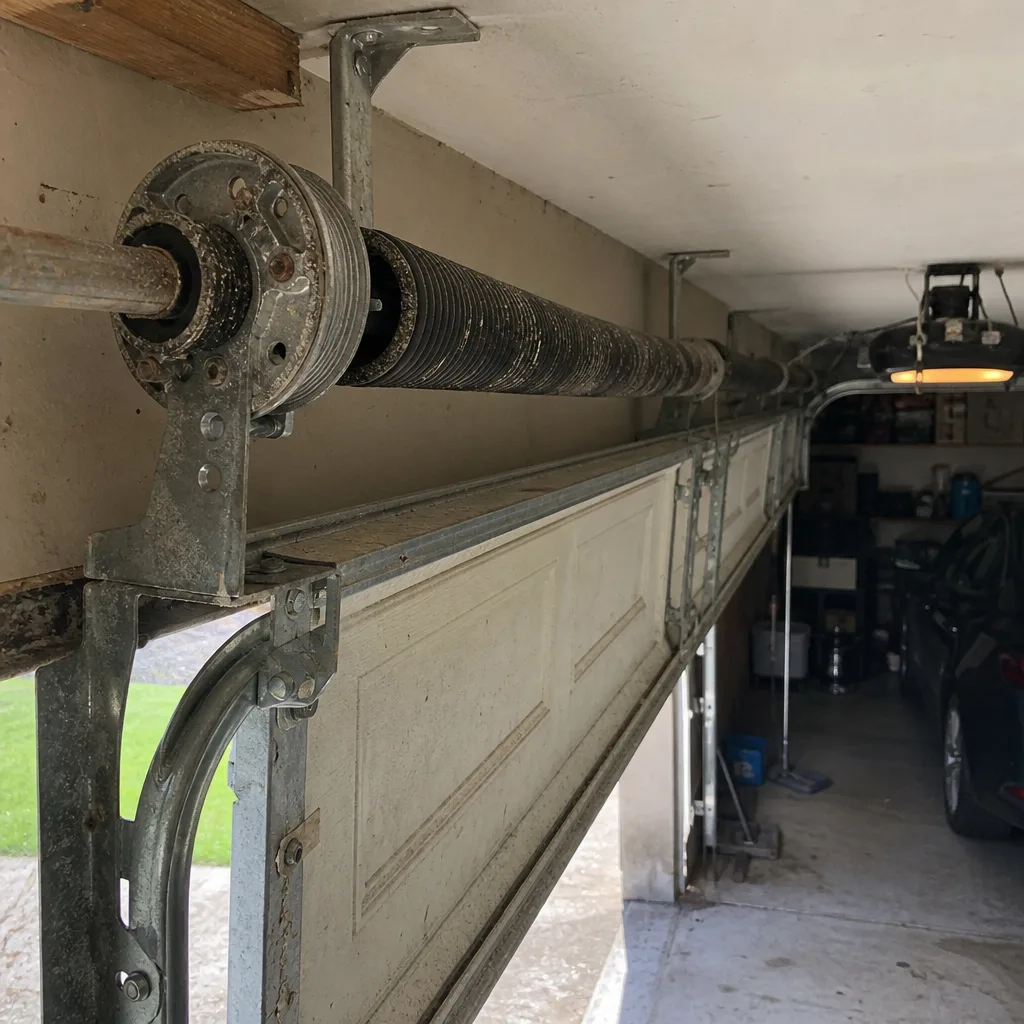 Before
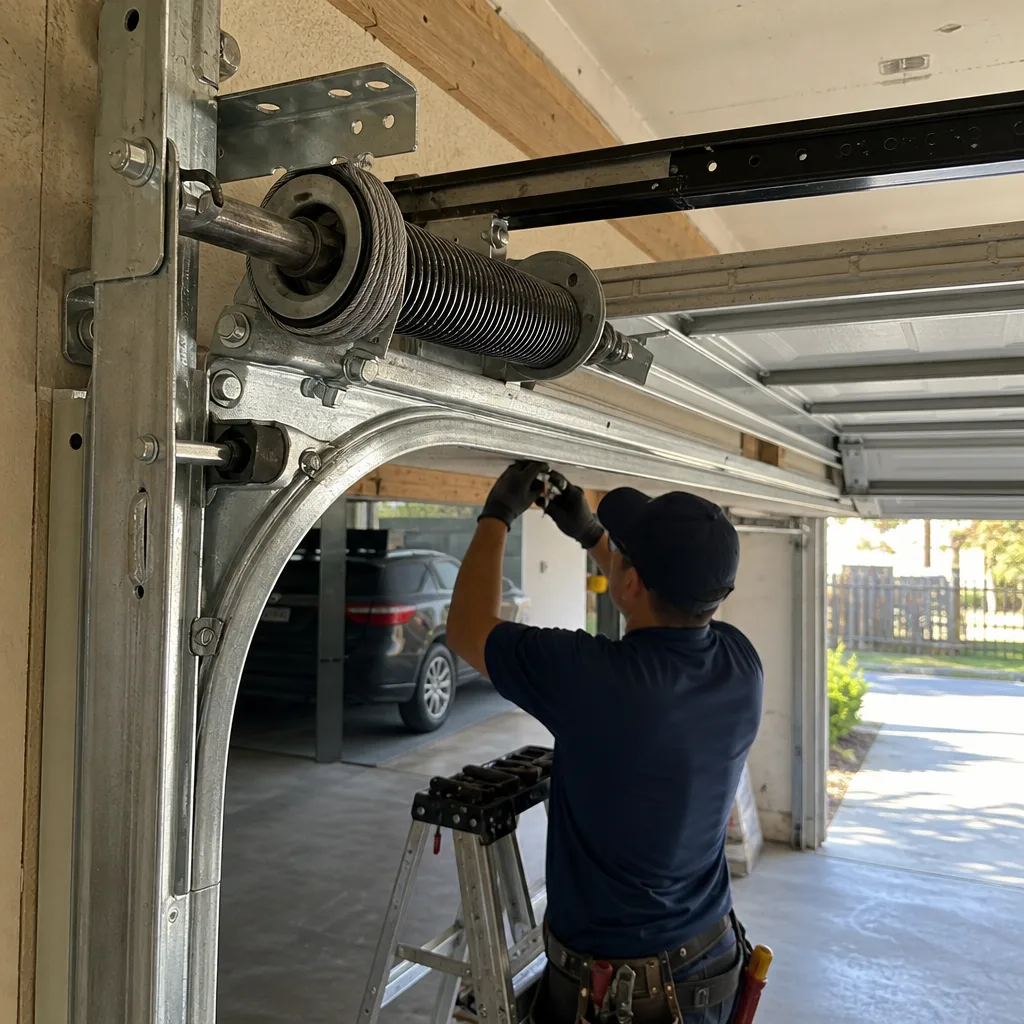 After
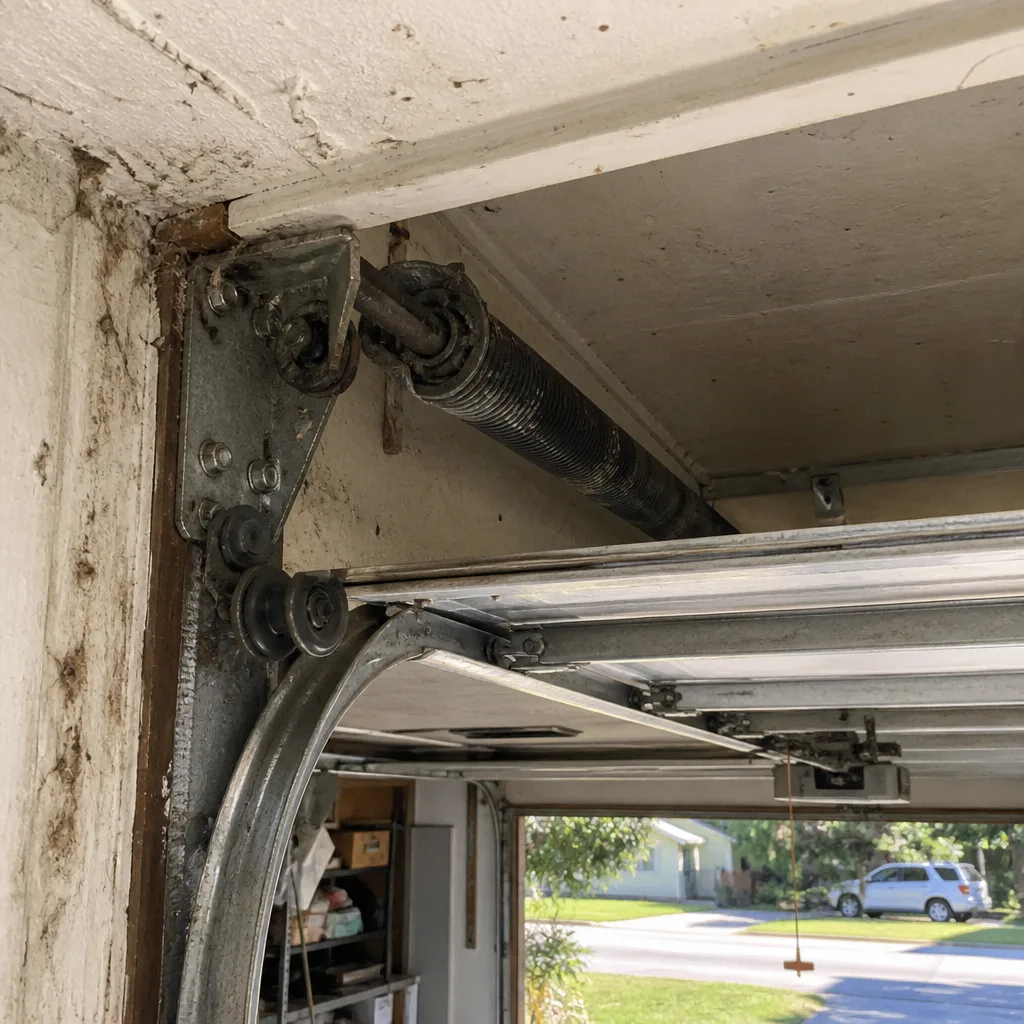 Before
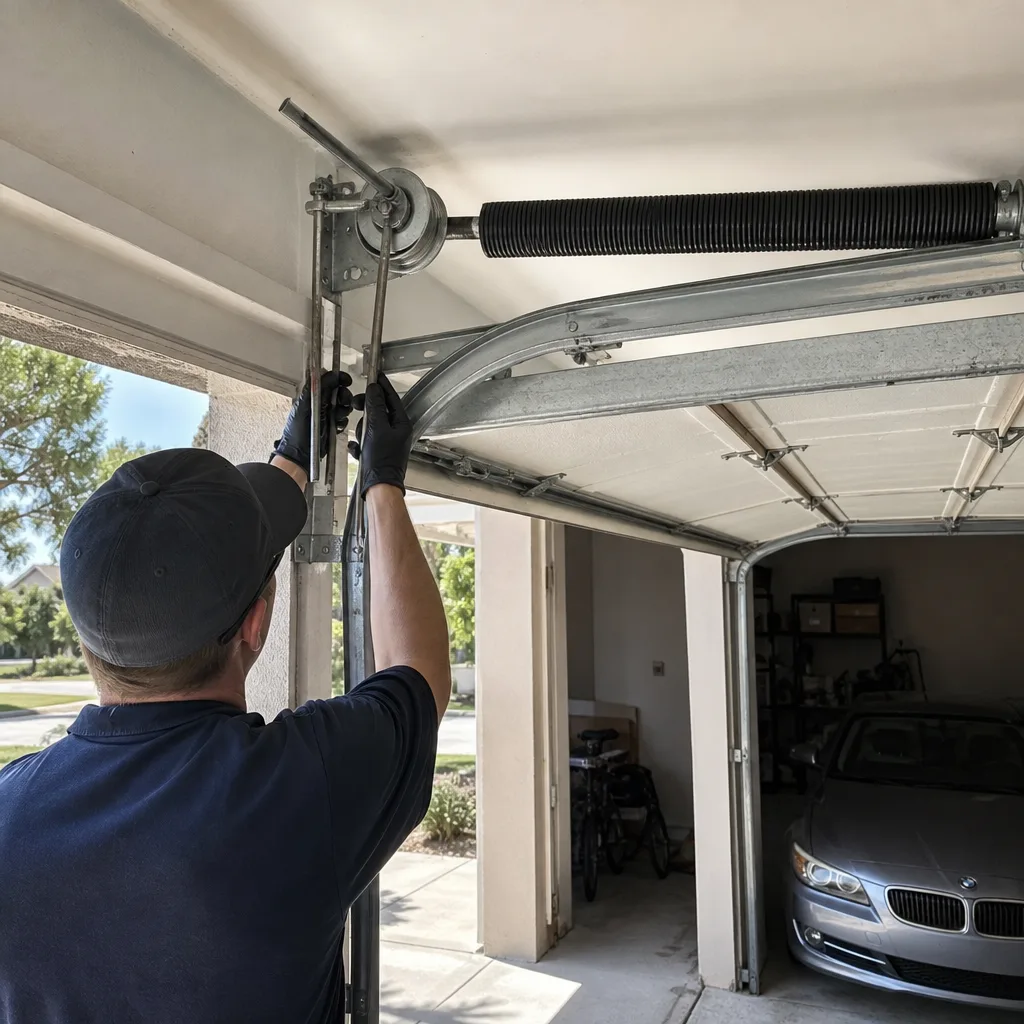 After
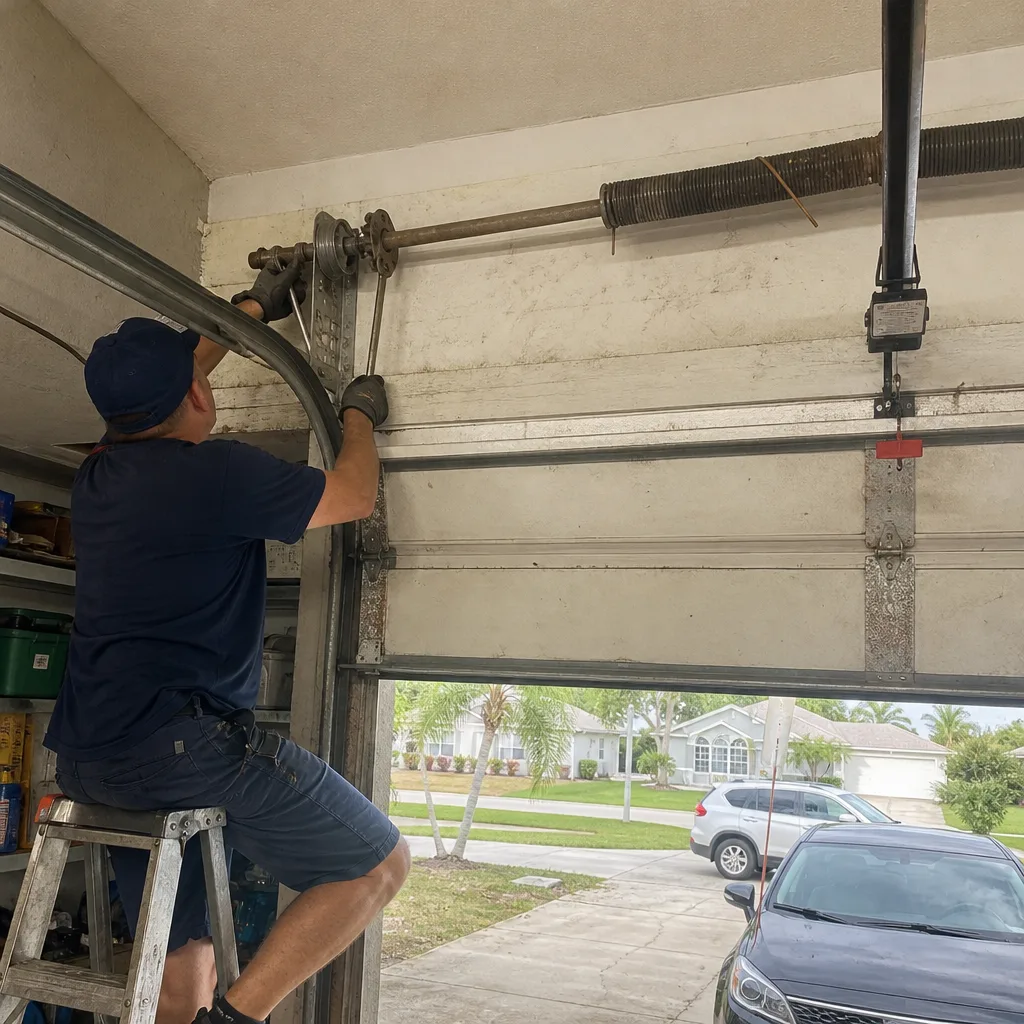 Before
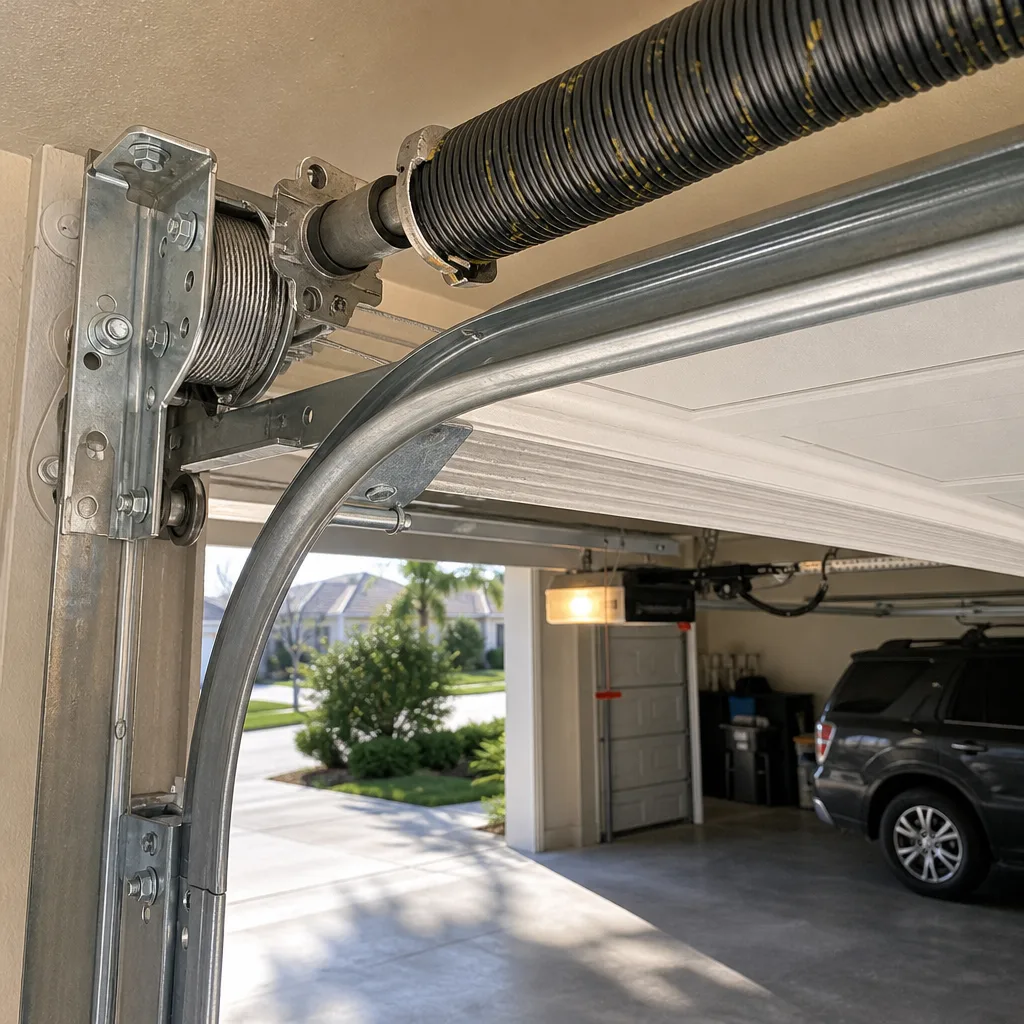 After
Frequently Asked Questions
Professional torsion spring replacement in Fort Myers typically runs between $180 and $340 for a single spring, with double-spring systems falling between $280 and $500 depending on the brand and door size. The price includes the spring, labor, balance verification, and a workmanship warranty. DIY parts alone cost $60-$90, but the required winding bars and specialty tools push your real cost above $400 for a one-time job, assuming nothing goes wrong. Call (866) 472-5684 for an exact quote on your specific door and spring configuration.
Installing a replacement opener is possible for a patient homeowner with a ladder, a socket set, and 3-5 hours, but opener replacement involves electrical wiring, door balance verification, and exact rail assembly that’s easy to get wrong. A professionally installed opener in the Fort Myers market costs $300-$600 depending on the model, and the install includes programming, safety sensor alignment, and disposal of the old unit. If you’re replacing because the existing opener is straining or failing, a garage door opener repair in Fort Myers may actually solve the problem for less than a full replacement.
Yes, in several common scenarios. Improper lubrication with the wrong product voids roller and hinge coverage on Amarr and Clopay doors. Unbalanced door operation that damages an opener can void Chamberlain and LiftMaster warranties. Improper or partial spring replacement voids most spring coverage. Before you attempt any repair beyond basic maintenance, check your warranty terms, or call us and we’ll tell you what the likely warranty impact is before any work happens.
Fort Myers humidity and coastal air accelerate corrosion on springs, rollers, and fasteners. The average torsion spring lasts 7-10 years nationally but often fails at 5-7 years here. Nylon rollers with sealed bearings are the single best upgrade for coastal garages, but they need installation by someone who understands the door’s balance. Regular lubrication with a silicone-based product helps, but it slows the decline, it doesn’t stop it.
The torsion spring assembly. It stores hundreds of pounds of rotational force, and if it releases unexpectedly during a repair, the winding bar becomes a projectile. This single component sends roughly 2,000 people to emergency rooms annually in the U.S. Cable work ranks second, because a cable under tension can sever fingers or drop the full weight of the door. We do not train homeowners to perform these repairs. We tell them to call us, because the risk is not theoretical.
If the task appears on the safe list in this guide, lubrication, sensor alignment, remote programming, or track cleaning, it’s safe to DIY. If it involves springs, cables, panels, or opener internals, it needs a professional. And if you’ve watched a repair video that doesn’t match your specific door and opener, that’s the sign to stop and call. Diamond Garage Door Co works on the brand you already have, from the spring to the opener.
The Bottom Line
The DIY vs. professional decision on a garage door is not about your competence. It’s about physics and economics. The four maintenance tasks that are safe to DIY will keep your door running between service calls. Everything else, especially springs, cables, and structural work, carries injury risk and warranty consequences that erase any money saved. Fort Myers humidity shortens component life and punishes wrong product choices, so follow the branded recommendations and the local maintenance intervals. When in doubt, a free estimate from a professional costs you nothing and tells you exactly what you’re dealing with. When it’s a spring, a cable, or a panel, make the call.
Written by the team at Diamond Garage Door Co, serving Fort Myers since 2016.