

Last updated October 31, 2026
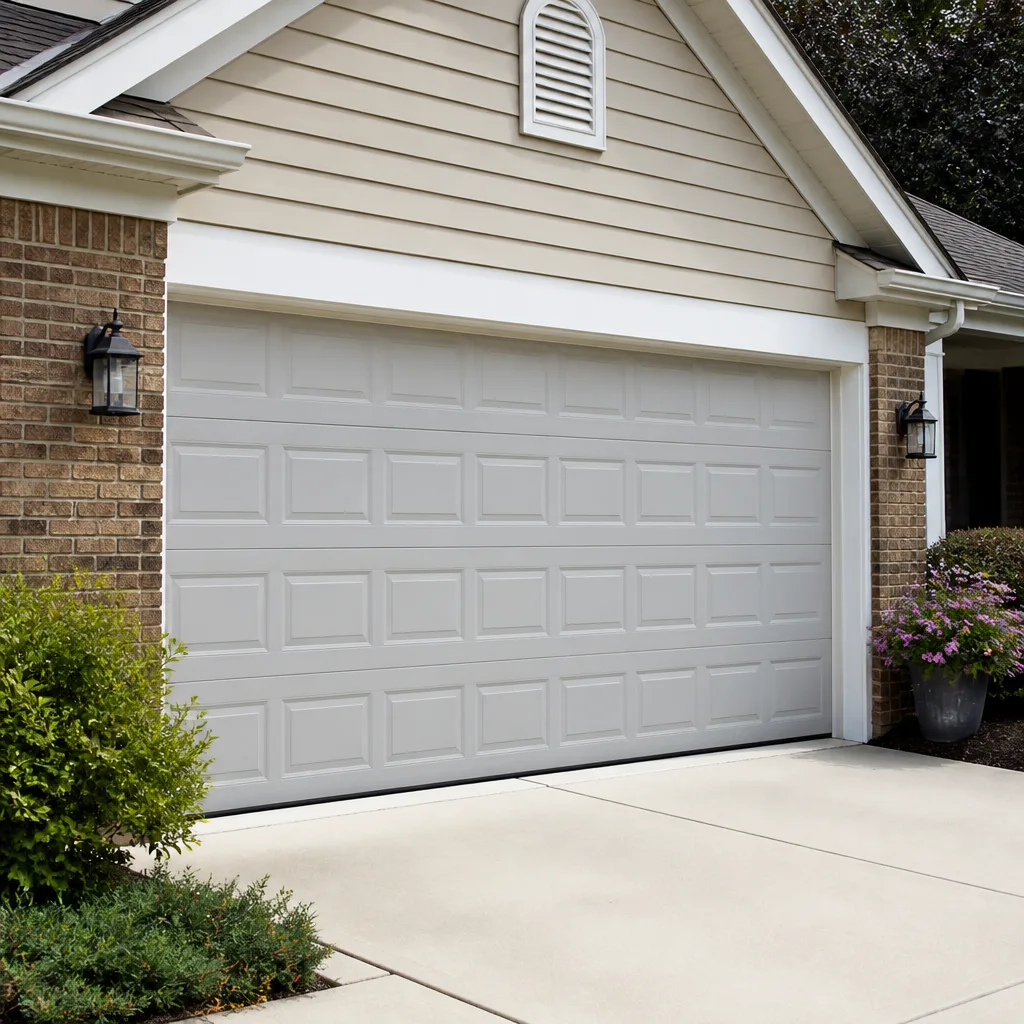 Raised-panel steel
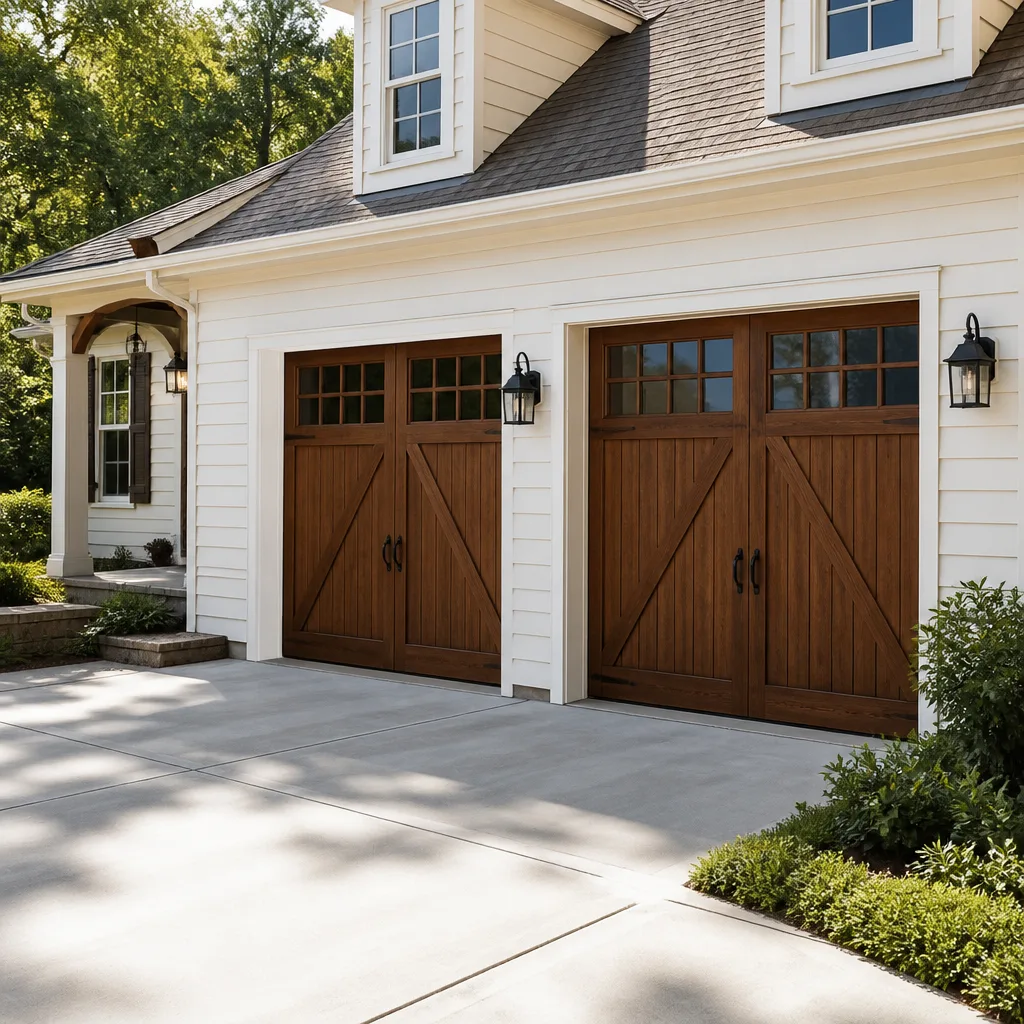 Carriage house
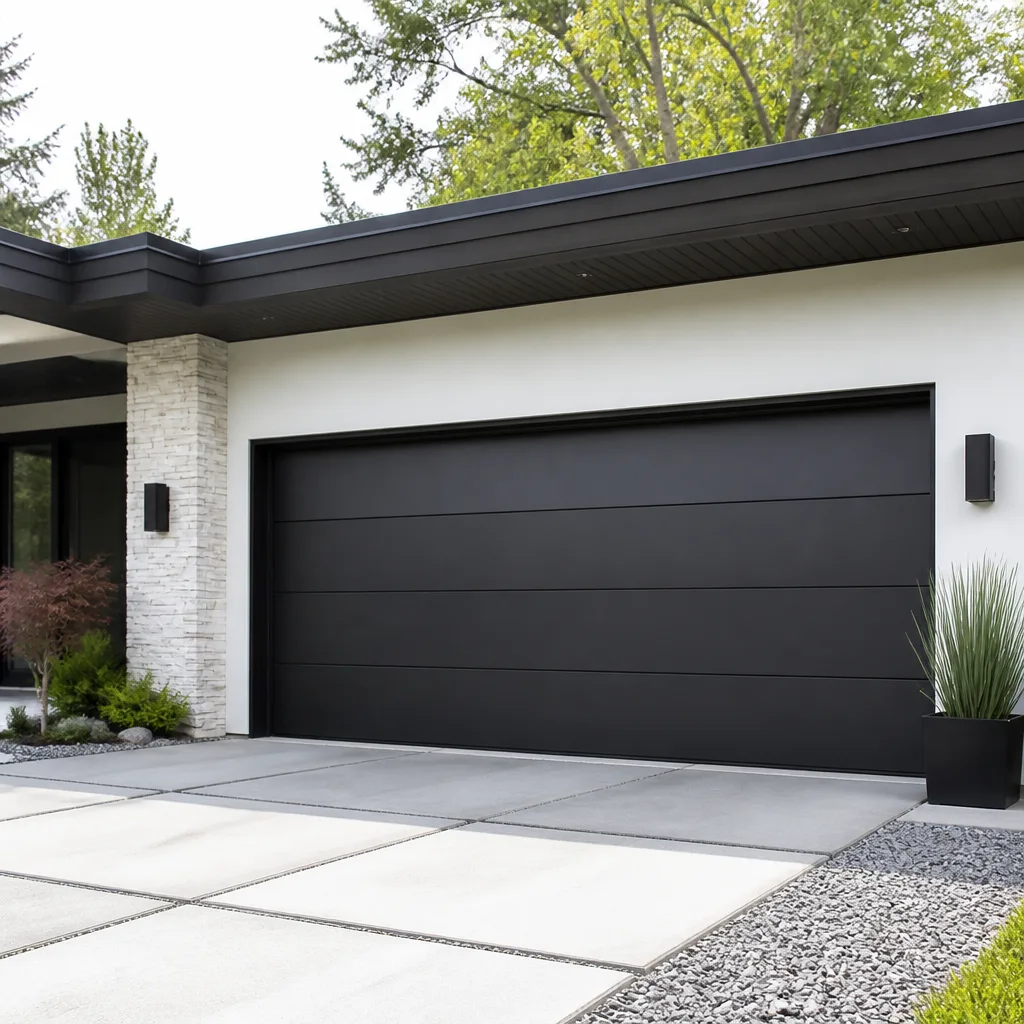 Modern flush
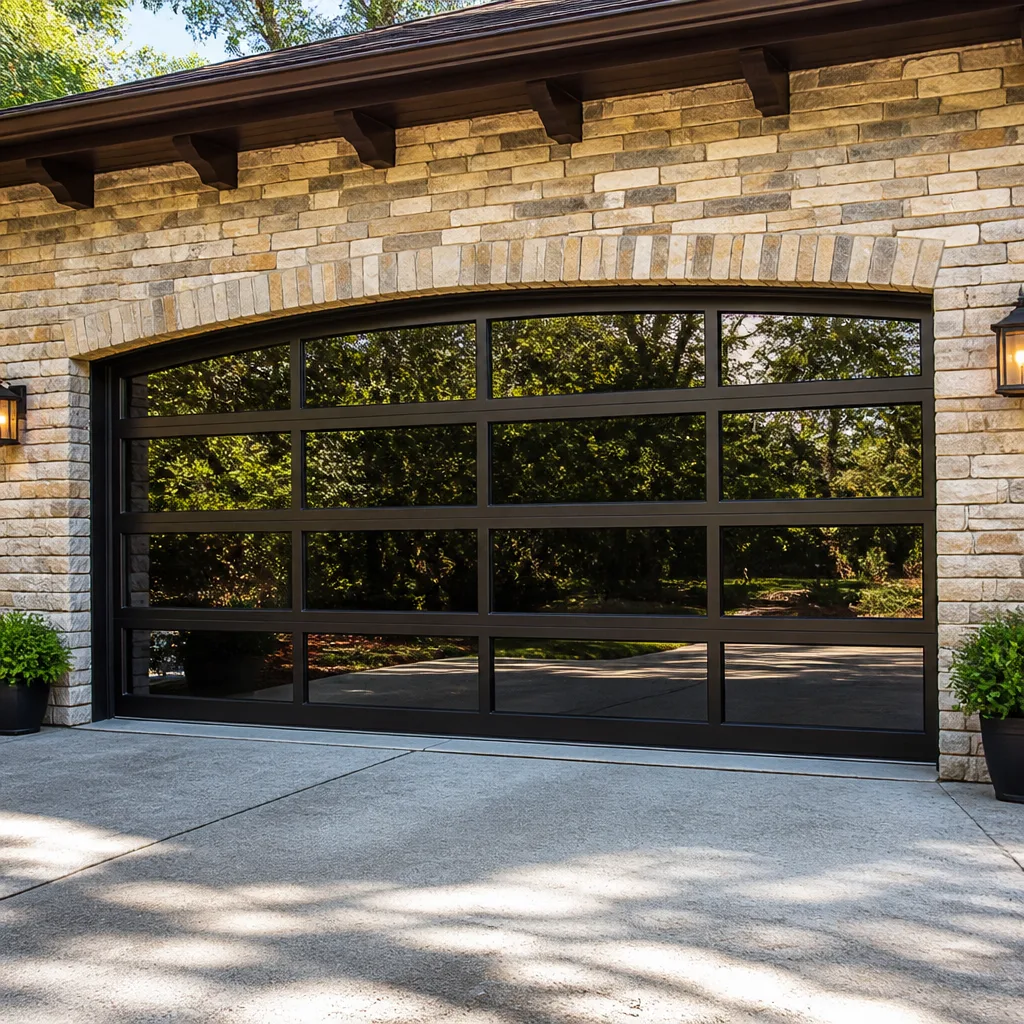 Full-view glass
 LiftMaster openers
 Chamberlain openers
Full 25-point door and opener safety check with every visit - springs, cables, rollers, tracks, and your LiftMaster or Chamberlain opener included
You get a price before we start. It does not change when the truck arrives.
Get your free estimateGarage Door Repair Troubleshooting: Common Problems and How to Fix Them
Most garage door troubleshooting guides start with a list of symptoms and then throw generic fixes at you. Here’s how that plays out in real life: you replace the remote battery, clean the sensor eyes, maybe even lubricate the hinges, and the door still misbehaves. What you actually need is a diagnostic framework, one that works backwards from the exact sound, movement, and failure pattern your door is showing. In Fort Myers, we see this daily: doors that grind on one side point to a cable drum issue, while doors that hum but don’t move point to a stripped gear or a broken spring. By the time you finish reading this guide, you’ll be able to tell those apart before you ever pick up a wrench.
Styles & brands we work with
Quick Answer
Garage door repair troubleshooting starts with observing exactly what your door does when it fails: if it grinds but moves, you likely have a hardware alignment or roller problem; if it hums but doesn’t move, the opener’s drive gear or the spring is the culprit; if it closes then immediately reverses, the safety sensors or travel limit settings are usually misadjusted. The most important safety rule: never attempt to adjust or release garage door springs yourself, because the tension in them can cause serious injury or death. Most other issues are either DIY-friendly inspections or 30-minute fixes for a qualified technician. Call (866) 472-5684 if you’re unsure which category yours falls into, or explore Garage Door Warning Signs: A Fort Myers Homeowner’s Reference Guide for early indicators.
Table of Contents
- Sound-First Diagnosis: What Your Garage Door Is Telling You
- Movement Patterns That Point to Specific Parts
- How to Safely Run a Manual Disconnect and Spring Balance Test
- The Five Most Commonly Misdiagnosed Garage Door Problems
- When Multi-Symptom Problems Signal a Systemic Issue
- Replacement vs. Repair: Making the Right Call in Fort Myers
- What to Have Ready Before Calling a Technician
- Common Mistakes to Avoid
- When to Call a Professional
- Frequently Asked Questions
- The Bottom Line
Sound-First Diagnosis: What Your Garage Door Is Telling You
Every garage door failure makes a noise before it fails completely. The sound is the earliest clue, and it comes before the door’s movement tells you anything useful. We’ve trained our technicians in Fort Myers to listen before they look, because a grinding sound from one corner means a cable drum problem, while a rattling sound across the entire door usually means worn rollers or loose hinges.
Grinding on One Side Only
A grinding or scraping sound that comes from one corner of the door, especially during the first few inches of opening, almost always points to a cable drum that’s come loose or a cable that’s starting to fray. The cable drum is the spool that winds the cable as the door moves. When it slips, the door pulls unevenly, and the cable rubs against the track or the drum’s edge. In Fort Myers, humidity accelerates cable corrosion, which makes this one of the most common issues we repair. If you hear this sound, have the cable checked before the drum slips further and the door drops suddenly.
Humming Without Movement
When the opener hums but the door doesn’t move, the motor is running, but the drive isn’t engaging. On a chain-driven LiftMaster opener, this usually means a stripped drive gear. On screw-driven Genie or Craftsman models, it’s often the coupler. On belt-driven openers, a hum with no movement can mean a broken spring, because the opener tries to lift a weight it can’t handle. This is not a fix you can diagnose from sound alone, but the sound narrows it down to three likely parts. You need eyes on the opener, not just ears.
Popping or Banging During Operation
Loud pops or bangs during movement, especially at the top and bottom of the travel range, typically mean sections of the door are binding. This can be caused by bent tracks, a door that’s slightly out of square, or a spring that’s ending its life. The torsion spring (the one that runs across the top of the door opening) doesn’t fail silently. It gives warning signs: a popping sound, a visible gap in the coil, or a door that’s suddenly heavier than it used to be. In our experience, when a Wayne Dalton door in Fort Myers pops during operation, we find a spring with 70 to 80 percent of its life already gone.
The Value of Listening First
Sound-first diagnosis is the single most effective way to avoid replacing the wrong part. If you call a technician and describe the sound accurately, you’ll often get a more accurate preliminary diagnosis over the phone. That means the right parts go on the truck before the technician ever arrives. From the spring to the opener, the sound is the first clue in a system-wide diagnostic.
Movement Patterns That Point to Specific Parts
After the sound, watch the door’s movement. Most homeowners describe the problem in terms of speed or direction: it won’t close all the way, it closes then reopens, it opens unevenly. Each of those movement patterns maps to a different component.
Door Bounces at the Bottom
When the door reaches the floor and bounces back up an inch or two before settling, it’s almost always the travel limit setting, not the springs. The travel limit tells the opener how far down the door should go. If it’s set too low, the door hits the concrete before the opener thinks it should stop, and the opener reverses as a safety response. This is a simple adjustment on most openers, though on newer models it’s done through a digital interface rather than a screw. A quick test: close the door and watch whether it compresses the weather seal evenly. If one side touches the ground before the other, you also have a balance issue to address.
Opens Unevenly or Jerks Side to Side
An uneven lift is almost always a broken or failing spring. Torsion springs counterbalance the weight of the door. When one breaks, the door becomes significantly heavier on one side, and the opener if you have one has to work against the imbalance. If you have two springs and one breaks, the door will jerk as the remaining spring pulls harder on one side. If you have a single spring, the door usually won’t open at all. Never try to adjust this yourself: the tension in a garage door spring is measured in hundreds of pounds. A trained professional in Fort Myers can replace a spring in about 45 minutes.
Closes Partway Then Reverses
This is the most commonly misdiagnosed movement pattern in garage door troubleshooting. Homeowners assume a sensor issue, but there are three distinct causes: misaligned or obstructed photo eye sensors, a travel limit set too low, or a door that’s binding in the tracks and triggering the opener’s force-safety mechanism. The sensor fix is the easiest to attempt: check that the small lights on both sensor units are lit on either side of the door. If one is blinking, the sensors are out of alignment or blocked. If both lights are solid, the problem is mechanical. A door that reverses only on hot Fort Myers afternoons often has rollers swelling with heat, which increases friction and triggers the safety reverse.
Door Shakes or Shudders While Moving
Visible shaking during operation, especially in the middle of the travel range, usually points to worn rollers or loose hinge bolts. Rollers wear out at different rates: nylon rollers last 12 to 15 years, steel rollers can wear out faster if they’re not lubricated. When a roller loses its bearing, the wheel doesn’t turn smoothly, which creates friction that translates into visible vibration. On a Raynor door with a long track, a single worn roller can make the entire door shiver. This is a relatively inexpensive repair if caught early, but if left unattended, a blown-out roller can cause the door to jump its track.
How to Safely Run a Manual Disconnect and Spring Balance Test
If your door has an opener, there’s a mechanical test that tells you whether the problem is in the door or the opener. This is the single most useful diagnostic step in garage door troubleshooting, and it takes two minutes. It does not involve touching the springs, and it’s safe for any homeowner to perform.
Step 1: Disconnect the Opener
- Close the door completely.
- Locate the red emergency release cord hanging from the opener rail.
- Pull the cord down and toward the door until you hear or feel a click. This disengages the opener’s drive from the door.
- Lift the door by hand using the handle or the bottom edge.
Step 2: Manual Lift Test
Once disconnected, the door should lift smoothly with one hand, and it should feel roughly the same weight through the entire travel range. If it’s heavy at the bottom but gets lighter as it rises, the spring is doing its job, and the problem is likely in the opener. If it’s heavy all the way up, or if it’s impossible to lift at all, the spring is broken or out of adjustment. A properly balanced door will stay put at chest height when you let go. If it drops rapidly, that’s a spring failure signal, and you should call for professional service.
Step 3: Re-engage the Opener
Pull the emergency release cord again, or open the door and then press the opener’s wall button. On most openers, the drive will re-engage automatically on the next full cycle. On some newer LiftMaster models, you’ll need to pull the cord toward the door and then run the opener once. Then return to your normal routine.
Why This Test Matters
We run this test on nearly every service call in Fort Myers before we touch anything else. It rules out the opener or the door in under two minutes, which saves time and avoids replacing a circuit board when the real problem is a worn spring. It also tells you whether a multi-symptom issue (slow, noisy, and jerky) is mechanical or electrical. If the door is balanced and smooth when disconnected, the opener is the culprit. If it’s heavy or rough by hand, the opener is working too hard against a door problem. That distinction is the whole game in garage door troubleshooting.
The Five Most Commonly Misdiagnosed Garage Door Problems
In our service work across Fort Myers, these five problems account for more wasted time and unnecessary parts than everything else combined. Homeowners misdiagnose them, and then technicians who are in a rush misdiagnose them too. Here’s what’s actually going on.
1. “Dead Remote Battery” (Actually a Broken Spring)
The remote won’t open the door, so the first assumption is a dead battery or a lost signal. You change the battery, maybe replace the remote, and the door still won’t move. Then you notice the opener still clicks when you press the wall button, or it hums but the door stays put. That’s not a remote problem at all. The remote was working; the door simply couldn’t move because the spring broke and the opener couldn’t lift the dead weight. A broken spring is one of the most common causes of an “unresponsive” garage door, and it’s easy to test: use the manual disconnect procedure above and try to lift the door by hand. If it won’t lift, the remote was never the issue.
2. “Misaligned Sensors” (Actually a Binding Track)
When a door reverses immediately after touching the floor, everyone blames the photo eye sensors. And yes, misaligned sensors cause this symptom. But so does a door that’s binding in the tracks because the track bolts have loosened or a roller has worn out. The safety reversal force sensor kicks in whenever the door encounters unusual resistance, including the resistance of a track that’s pinching the door. Before you adjust sensors, open and close the door manually to feel for binding. If the door is stiff or rough to move, the sensors aren’t the problem.
3. “It’s a Cheap Fix, I’ll Do It Myself” (Actually a High-Tension Spring)
We understand the instinct. A replacement roller set costs less than $30 at a hardware store in Fort Myers, and the tutorial video makes it look easy. But here’s the part the video often glosses over: to access rollers and hinges, you typically need to release the tension on the torsion spring, and that is the single most dangerous component in a residential garage. The spring holds hundreds of pounds of force, and releasing it incorrectly can throw a metal bar across the garage. We never advise a homeowner to do this. What we do advise is a full inspection before any DIY work. Often the “cheap fix you can do yourself” turns out to be a spring replacement in disguise.
4. “The Opener Is Dead” (Actually a Worn Cable Drum)
A door that opens fine but jerks or drops on one side often gets blamed on the opener motor. The homeowner assumes the opener is underpowered or failing, so they start shopping for a replacement. In reality, a worn cable drum or a frayed cable is causing the door to lift unevenly, which makes the opener work harder on one side. The opener is fine. Replacing the cable drum or the cable is often a fraction of the cost of a new opener. This is a case where the manual disconnect test saves someone from a four-figure mistake.
5. “It Just Needs Lubrication” (Actually a Worn Roller Bearing)
Squeaky door? Lubricate the hinges and rollers, right? Lubrication helps, but if the squeak is coming from the roller bearing itself and not the hinge, lubrication is only going to quiet it for a few days. Once a roller bearing has worn out, the wheel no longer rolls smoothly, and the friction damages the track over time. We see this constantly in Fort Myers: homeowners who’ve lubricated their doors every month for a year and still hear the noise, because the rollers need replacing. The fix that lasts is a new set of nylon rollers, not another spray of lubricant.
When Multi-Symptom Problems Signal a Systemic Issue
A single symptom usually points to a single cause. But when a door is noisy AND slow AND slightly off-track, you’re looking at what we call a systemic problem: multiple components wearing out on the same timeline. Garage doors are mechanical systems, and the parts don’t age independently. When one part fails, it strains the others, which accelerates their wear in turn.
Case Example: The Fort Myers Corrosion Cascade
Coastal humidity is rough on garage door hardware. In wet months, light surface rust forms on the springs, the cables, and the hinges. The rust increases friction, which raises the load on the opener, which causes the motor to work harder, which heats up the drive gear, which strips faster. We’ve diagnosed this exact chain more times than we can count. The homeowner notices the door is slower than it used to be, then noisy, then off-track on one side. By the time they call us, they don’t have one problem; they have three: a rusted cable, a worn drive gear, and a roller that’s finally given out. Fixing just the cable would quiet the noise for a few weeks, but the other parts would keep failing.
The Systemic Test
How do you know if your door has a systemic problem? Run the manual disconnect test and evaluate three things at once: sound (grinding, popping, or squealing), resistance (does it feel heavier than it did a year ago), and movement (does it wobble or jerk). If you answer yes to two or more of those, you’re in systemic territory. This is not a case for piecemeal part replacement. It’s a case for a complete inspection, and often a repair plan that replaces multiple worn components at once. That sounds more expensive up front, but in our experience it’s cheaper than three separate service calls over six months. Diamond-level workmanship means addressing the system, not just the symptom.
The Good News: Systemic Doesn’t Mean Replacement
Homeowners often assume that when multiple parts fail, they need a new door. That’s rarely true in our experience. Most system-wide issues can be resolved by replacing four things: the springs, the cables, the rollers, and the hinges. The door panel itself is usually fine. New hardware on a solid existing door is often a better investment than a full replacement, and it costs dramatically less. We work on the brand you already have, including Wayne Dalton, Craftsman, Raynor, and LiftMaster, so we’re not pushed toward replacement when repair is the right call.
Replacement vs. Repair: Making the Right Call in Fort Myers
At some point in the troubleshooting process, you’ll face the question: is this door worth repairing, or should I replace it? Here’s how we advise Fort Myers homeowners to think about that decision. It’s not about the age of the door; it’s about the condition of the panel and the track.
When Repair Makes Sense
- The panel is structurally sound, with no rust-through, no bent sections, and no wood rot at the bottom.
- The tracks are straight and securely bolted to the wall.
- The door is one of the major brands we service, and replacement parts are readily available.
- The problem is in the springs, cables, rollers, or opener, which are designed to be replaced.
When Replacement Is Worth Considering
- The door has sustained impact damage that’s bent more than one section.
- The track has come loose at multiple anchor points and cannot be reliably re-secured.
- You want a quieter door, better insulation, or a different style, and you’re planning to stay in the home for several more years.
Our garage door repair in Fort Myers service is built around the repair-first principle. We diagnose what’s actually wrong before recommending anything. If replacement genuinely makes more sense, we’ll tell you, because we also handle garage door installation in Fort Myers and can pair you with a door that fits your existing opening and your climate needs.
What to Have Ready Before Calling a Technician
The better your description of the problem, the faster the fix. Here’s what to note before you pick up the phone:
- The brand of your door and opener. Look at the metal plate on the inside of the door panel for the door manufacturer, and the sticker on the opener motor for the opener brand. We’re certified to work on LiftMaster, Chamberlain, Genie, Clopay, Amarr, Wayne Dalton, Craftsman, and Raynor, so we can often confirm parts availability on the call.
- The exact symptom. “It won’t open” is less useful than “it opens about two feet, then stops and reverses” or “it hums but doesn’t move at all.”
- The sound and the movement pattern. Describe both from the sections above. The sound tells us a lot; the movement confirms it.
- When it started. Did it start suddenly, or has it been getting worse over weeks? Sudden failures usually mean a broken part; gradual decline usually means wear.
- What you’ve already tried. If you’ve changed the remote battery, adjusted sensors, or lubricated anything, tell us. It saves the technician from re-testing components you’ve already ruled out.
- Your manual disconnect test result. If you’ve done it, tell us whether the door was heavy or smooth when disconnected. That one piece of information often cuts 20 minutes off the diagnosis.
Having this ready means the technician arrives with the right parts on the truck. We carry springs, cables, rollers, sensors, and opener gears for all the major brands in our Fort Myers service area, and that parts-on-hand capability is what allows us to get it right the first time.
Common Mistakes to Avoid
- Adjusting springs without training. Torsion and extension springs carry massive tension. One wrong move with a winding bar can cause a fatal injury. Leave this to a professional, always.
- Replacing the opener when the spring is broken. The opener isn’t the problem if the door won’t lift manually. Test the door by hand first, and you’ll save yourself a $400 mistake.
- Ignoring a noisy door until it stops working. A grinding cable drum or popping spring gives you weeks of warning. In Fort Myers, where humidity accelerates wear, waiting turns a $150 cable replacement into a $900 spring and drum repair.
- Lubricating everything, including the belt and chain. Lubricant on a belt or chain reduces grip and accelerates wear. Lubricate the hinges, rollers, and springs only, and use a white lithium or silicone-based lubricant.
- Using a door with one broken spring. If you have two springs and one breaks, don’t use the door. The remaining spring is overloaded and will soon fail, and the opener will strain against the imbalance. Call for service and leave the door closed.
- Adjusting travel limits and force settings without understanding them. Every few months, someone in Fort Myers sets their door’s travel limit so low that the door crushes the weather seal, or so high that the safety reverse doesn’t trigger. These settings interact with the sensors, and adjusting one without checking the other creates new problems.
When to Call a Professional
Some garage door problems are safe to diagnose and even fix yourself, but there’s a clear line. If the problem involves springs, cables, or any component under tension, that’s a professional-only repair. The spring system on a residential garage door can release enough force to send a metal bar across a room. If the door is off its track, that’s also a call for a trained hand, because the door’s full weight needs to be lifted and realigned safely. If you’ve run the manual disconnect test and the door is heavy or won’t move, the issue is the spring or a cable, and that’s a pro job. Diamond Garage Door Co offers our Garage Door Repair services with free estimates in Fort Myers, and our technicians come prepared for the whole range of garage door issues. Call (866) 472-5684 to schedule a diagnostic visit. We’ll tell you what’s wrong, what it costs to fix, and what it costs to leave alone, before any work starts.
Frequently Asked Questions
A garage door that closes then immediately reverses is usually triggered by the photo eye sensors being misaligned or blocked, the travel limit being set too low, or the door binding in the track and triggering the opener’s force-safety mechanism. Check the sensor lights first (both should be solid, not blinking), then run the manual disconnect test to feel for mechanical binding. If the door moves smoothly by hand but reverses under opener power, the travel limit or sensor alignment needs adjustment, which a technician can do in about 20 minutes. Call (866) 472-5684 if you want a second set of eyes on it; estimates are free.
Garage door spring replacement in Fort Myers typically costs $180 to $340 for a standard torsion spring on a single door, including parts and labor, while double-spring systems run $250 to $450. This is the most common garage door repair in our coastal climate, because humidity accelerates metal fatigue. The price is quoted and agreed upon before any work starts. Call (866) 472-5684 for an exact quote; we’ll give you a number over the phone based on your door’s brand and spring count.
A humming opener with no door movement means the motor is running but the drive isn’t engaging, and the three most likely causes are a stripped drive gear inside the opener, a broken coupler on the drive shaft, or a broken spring that’s left the door too heavy for the opener to lift. Start with the manual disconnect test: if you can’t lift the door by hand, the spring is broken. If the door lifts easily by hand, the problem is inside the opener. On LiftMaster and Craftsman openers, the drive gear is the usual culprit.
A grinding sound on one side during closing typically points to a cable drum issue, which is the spool that winds the lifting cable at the top corner of the door. When the drum loosens or the cable frays, the door pulls unevenly and the cable scrapes the track or drum. In Fort Myers, cable corrosion accelerates this problem. The fix is usually a drum re-tighten or cable replacement, and it’s a straightforward repair when caught early. Ignore it, and the door can drop suddenly off-balance.
No, a broken spring does not require a new door. Springs are designed to be replaced independently of the door panel, and a new spring will often last 8 to 12 years. The door panel itself is usually still in good condition. If the panel is straight, the track is secure, and you’ve been happy with the door’s operation up to now, spring replacement is the right call, not a full door replacement.
Yes, most garage door repairs in Fort Myers can be completed same-day, including broken spring replacement, cable repair, roller replacement, and sensor realignment. We stock parts for all eight major brands we service, including Wayne Dalton, Craftsman, and LiftMaster, so the technician usually has what’s needed on the truck. Call (866) 472-5684 to check today’s availability and schedule a diagnostic visit.
The Bottom Line
Garage door troubleshooting is a diagnostic process, not a guessing game. When you start by listening to the sound, watching the movement, and running a simple manual disconnect test, you’ll know whether the problem is in the door, the opener, or the springs, before you spend a dime on parts. Roughly half of all garage door problems involve the spring or cable system, which is professional-only territory. The other half, like sensor alignment, travel limit settings, and worn rollers, are manageable fixes when you know what you’re looking at. If you’re unsure where your door falls, start with the sound and movement observations from this guide, then check How to Hire a Garage Door Contractor in Fort Myers: A Step-by-Step Guide before you call (866) 472-5684. We’ll talk through what you’re seeing, give you an honest assessment, and if we come out, the price is agreed before any work starts.
Written by the team at Diamond Garage Door Co, serving Fort Myers since 2016. For more guides & resources, visit our blog.
See the difference
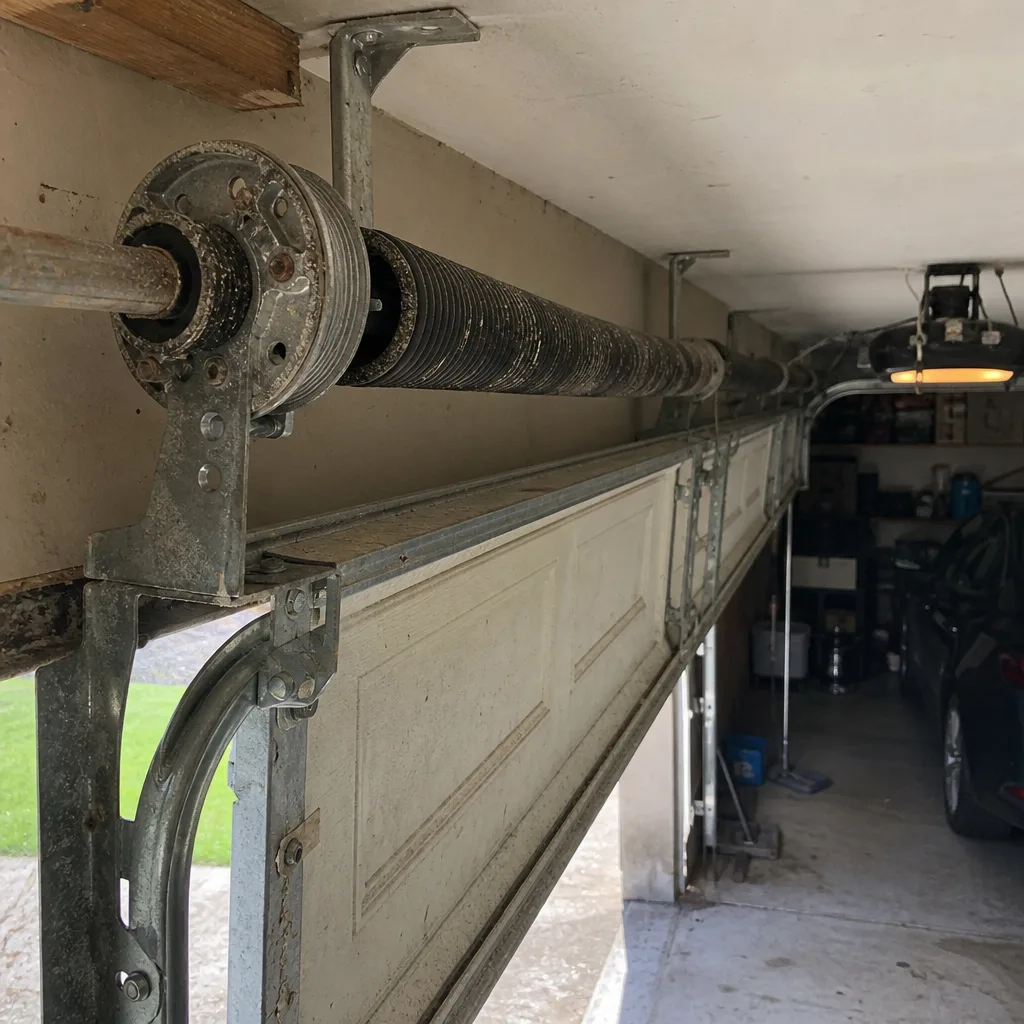 Before
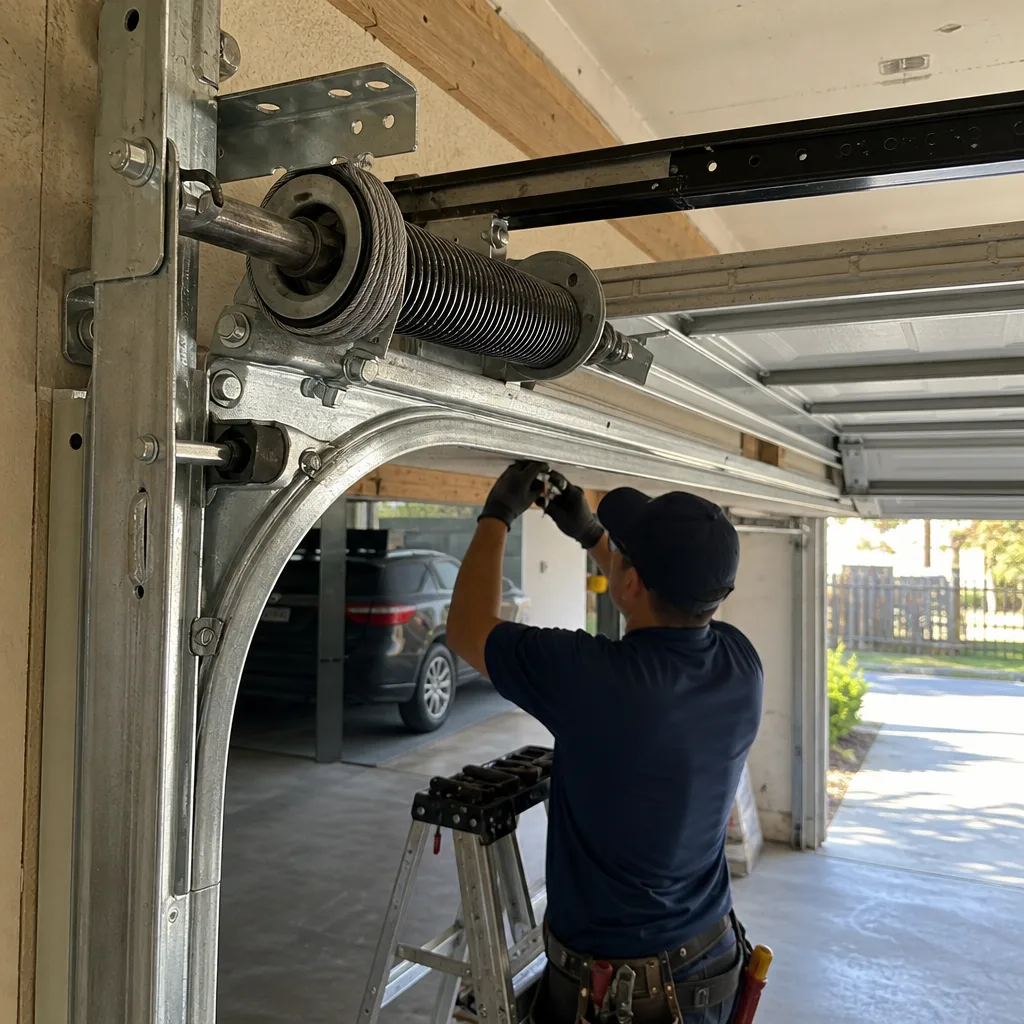 After
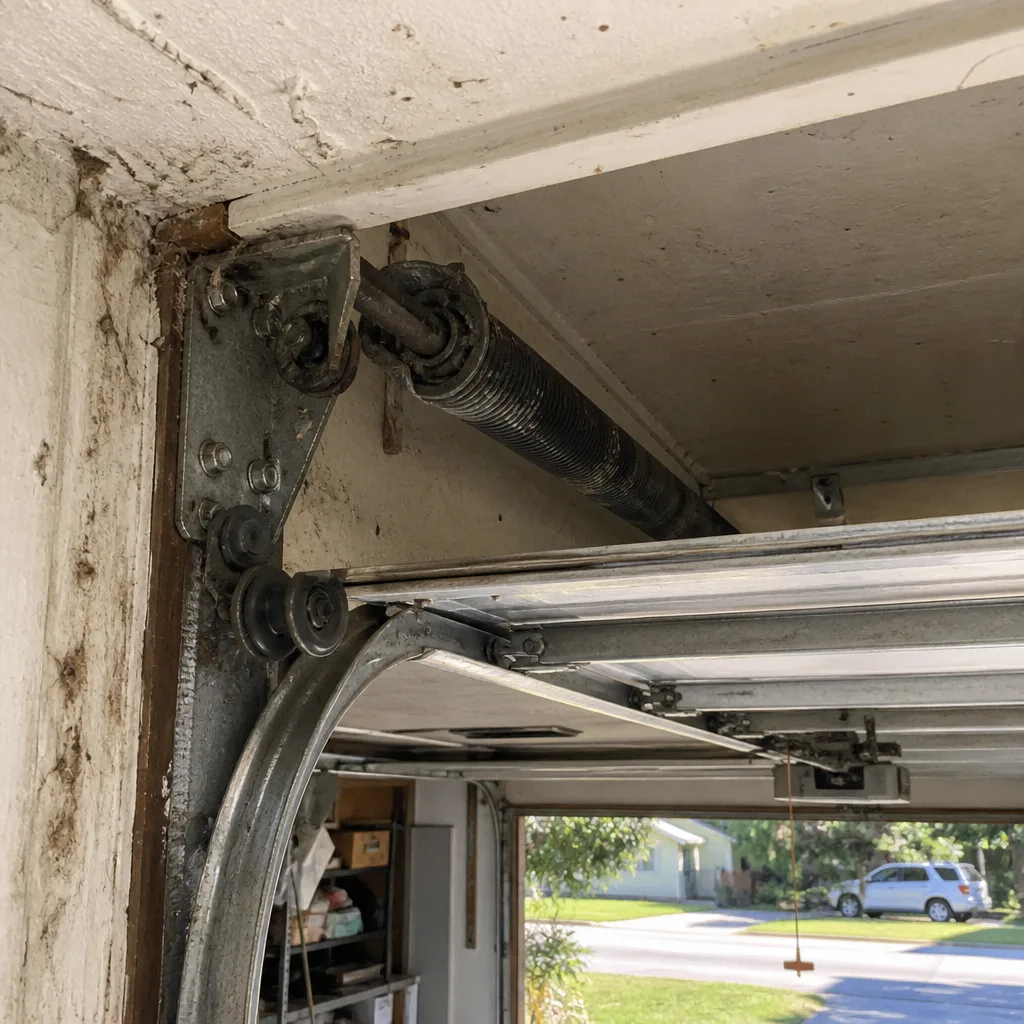 Before
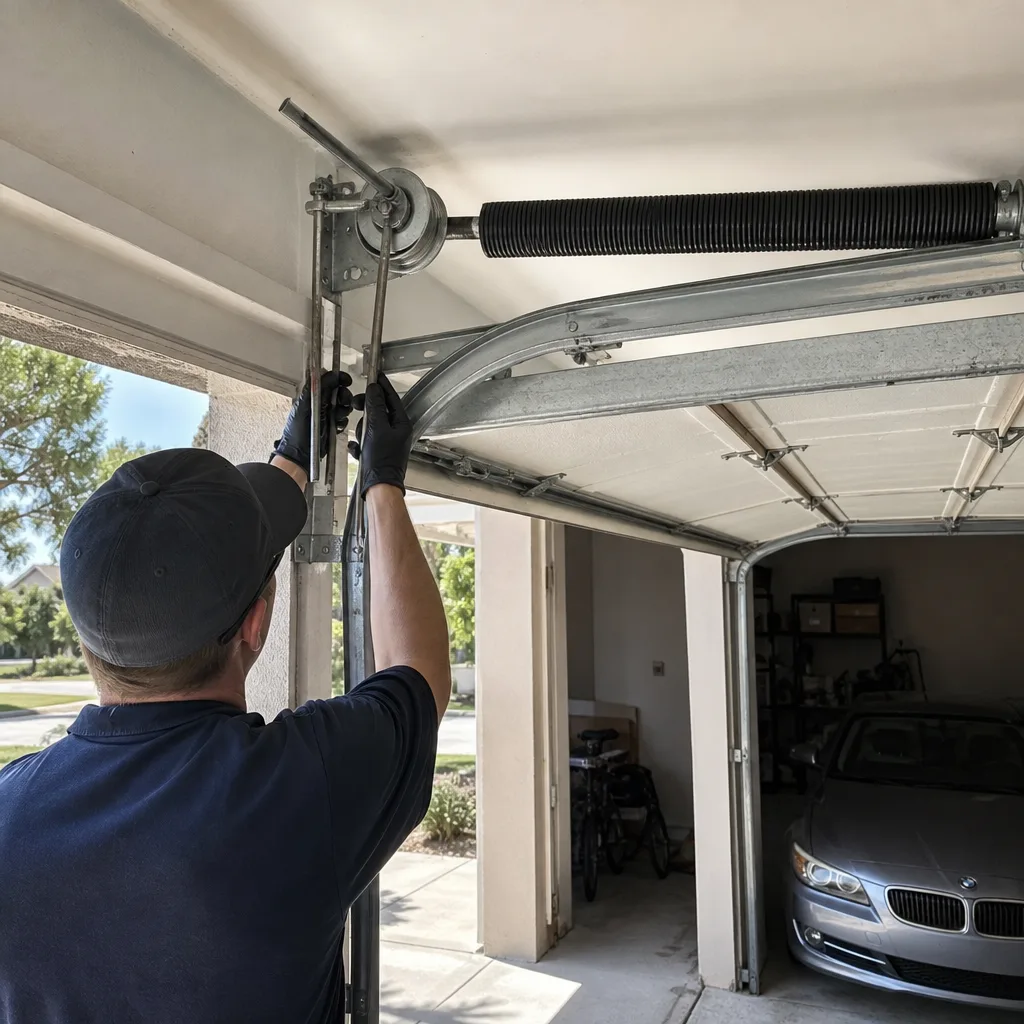 After
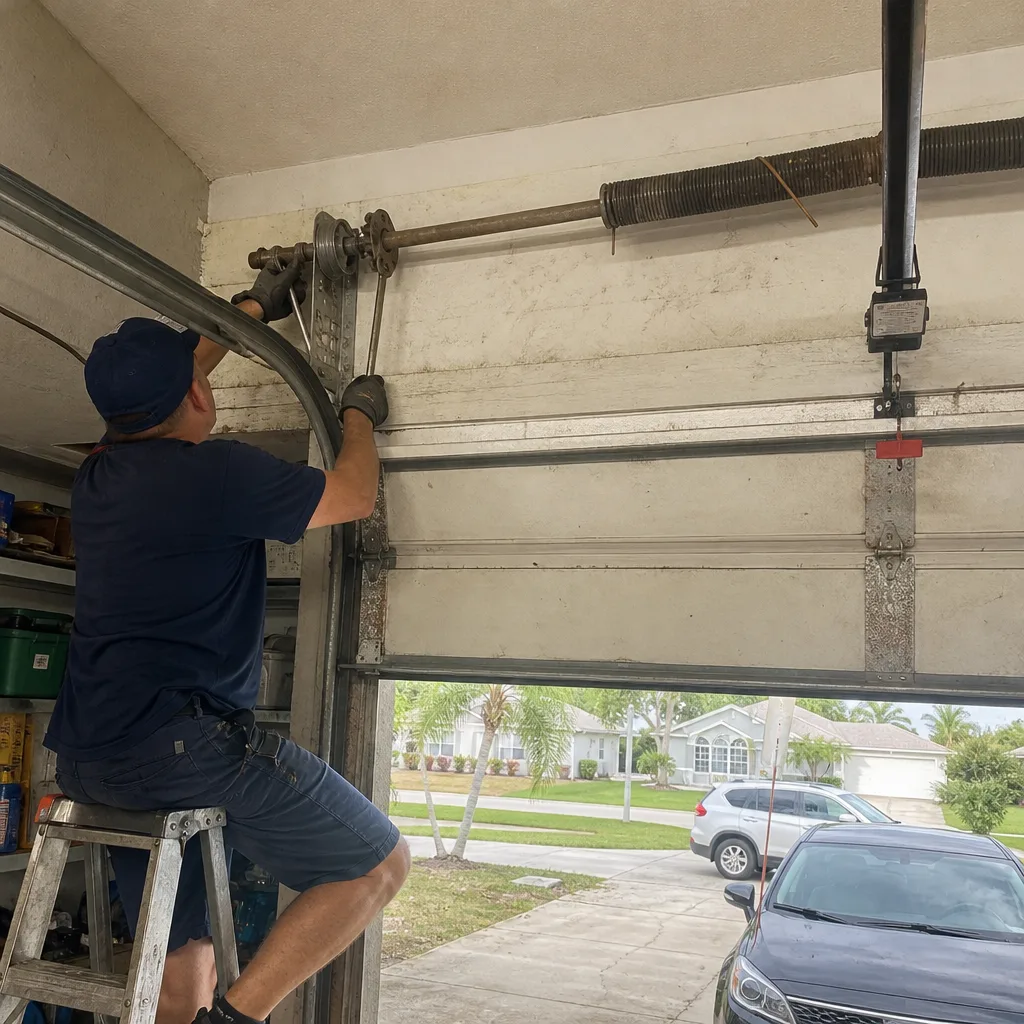 Before
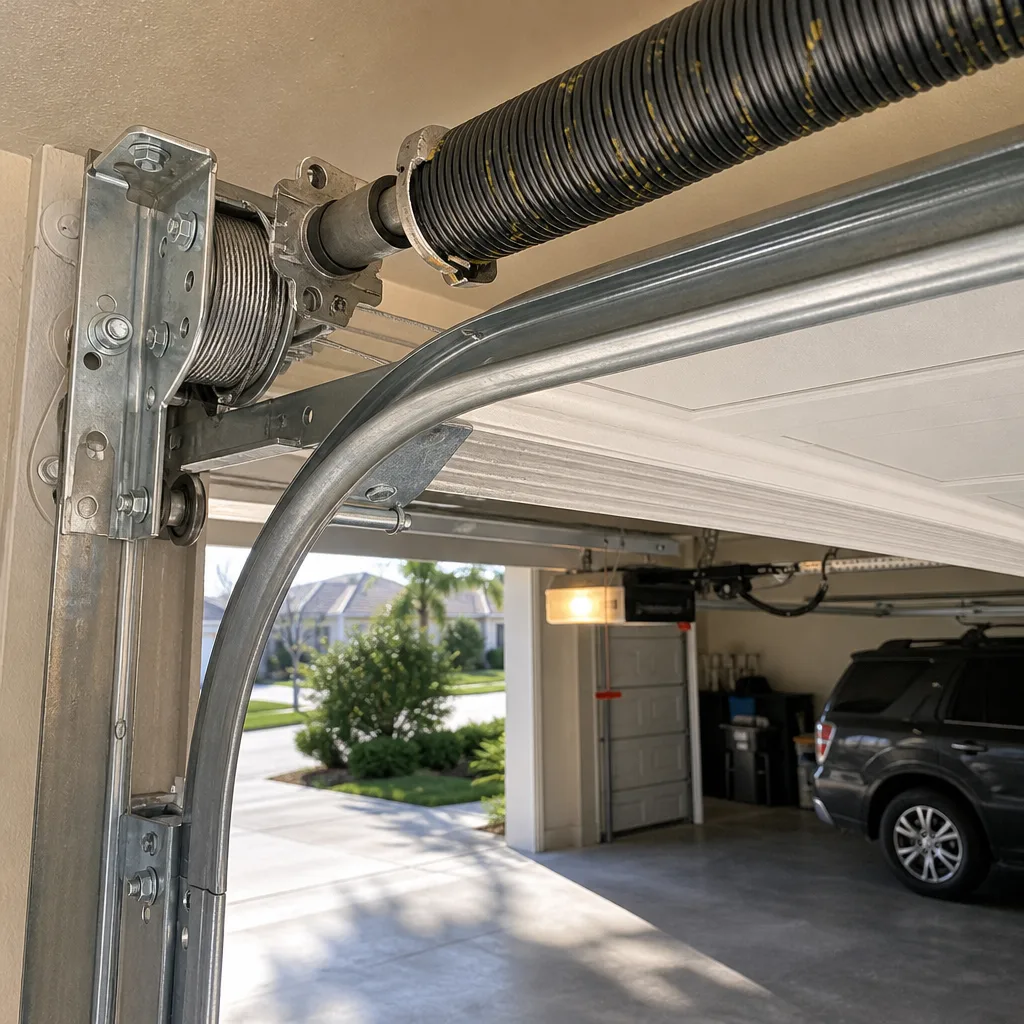 After