

Last updated October 31, 2026
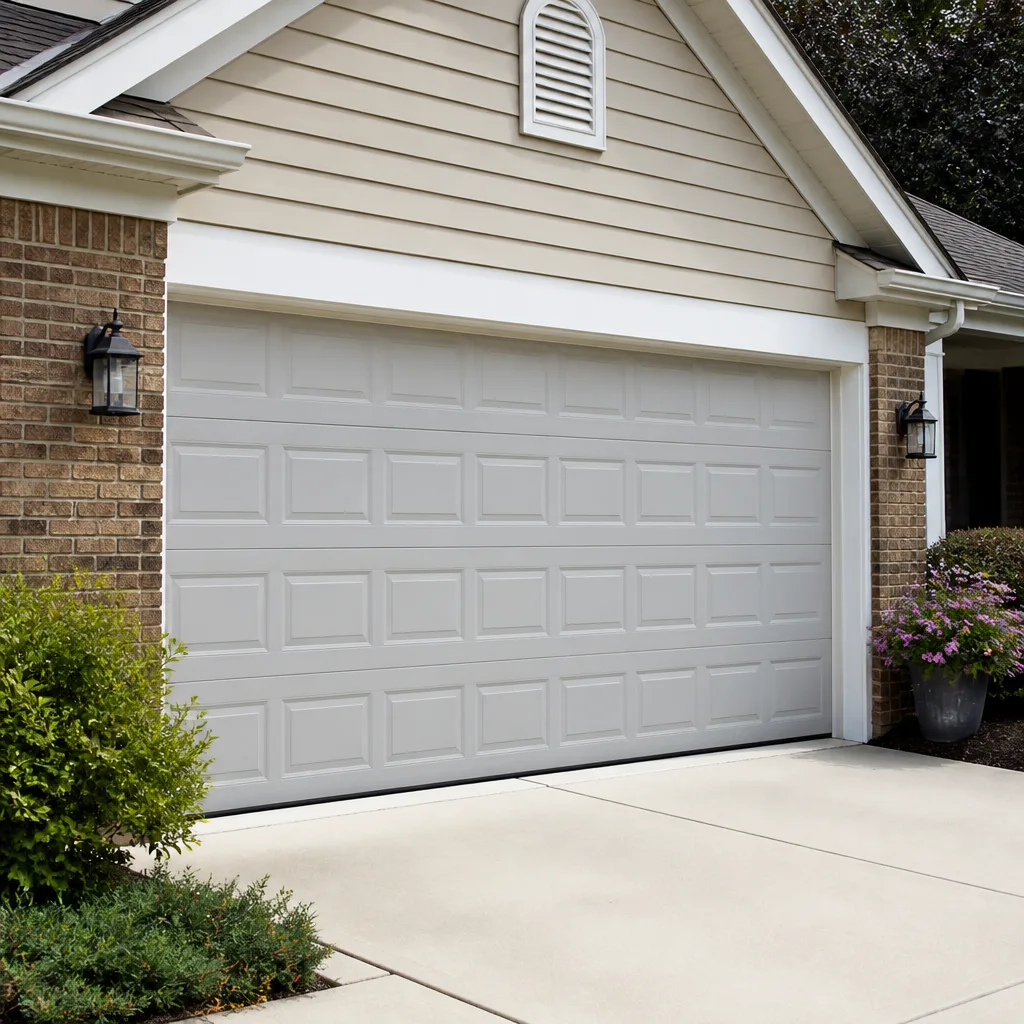 Raised-panel steel
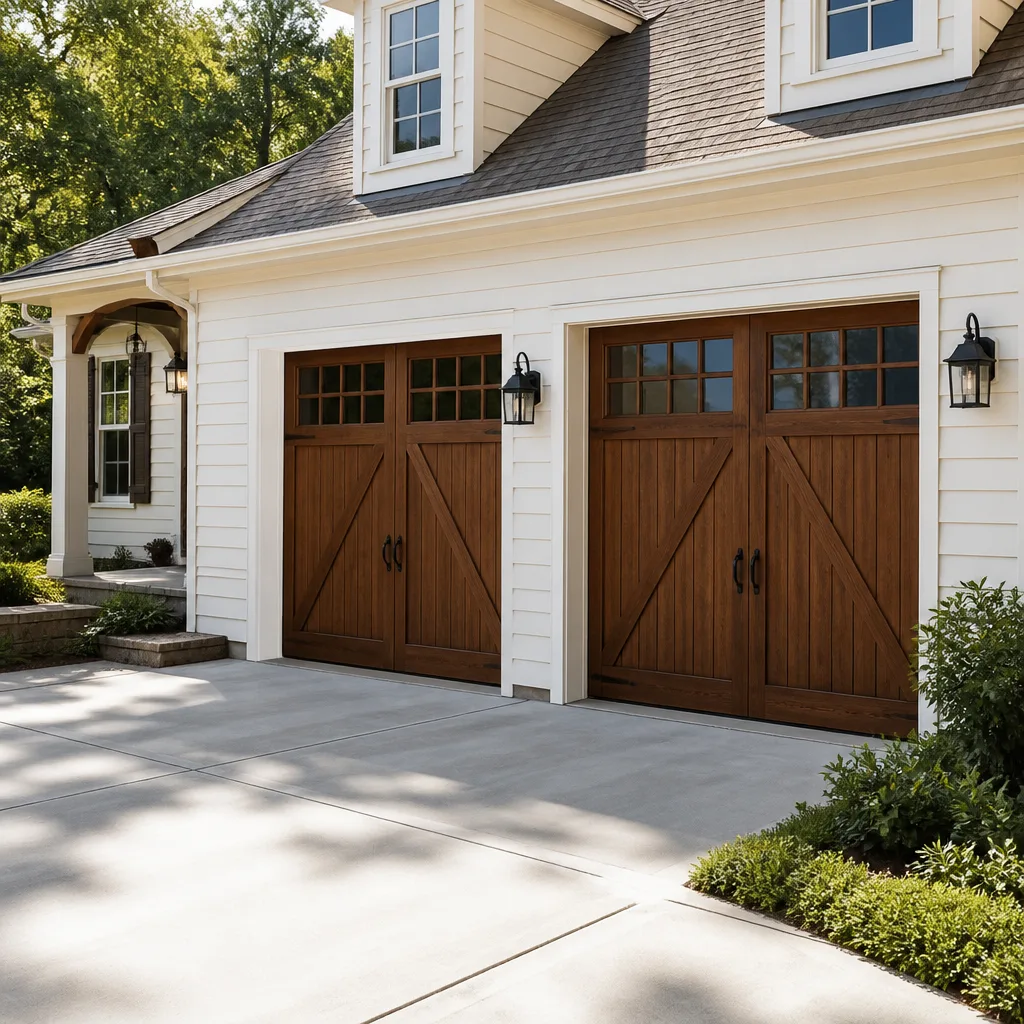 Carriage house
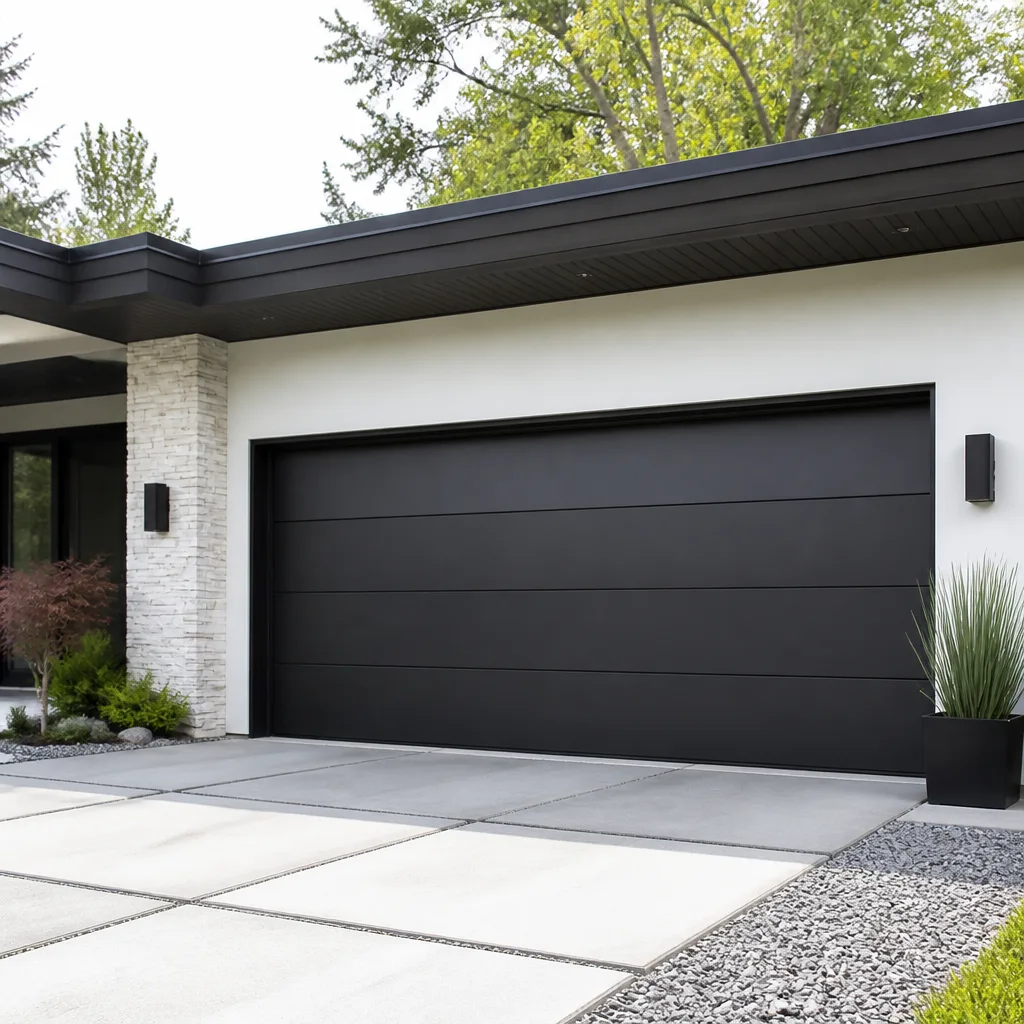 Modern flush
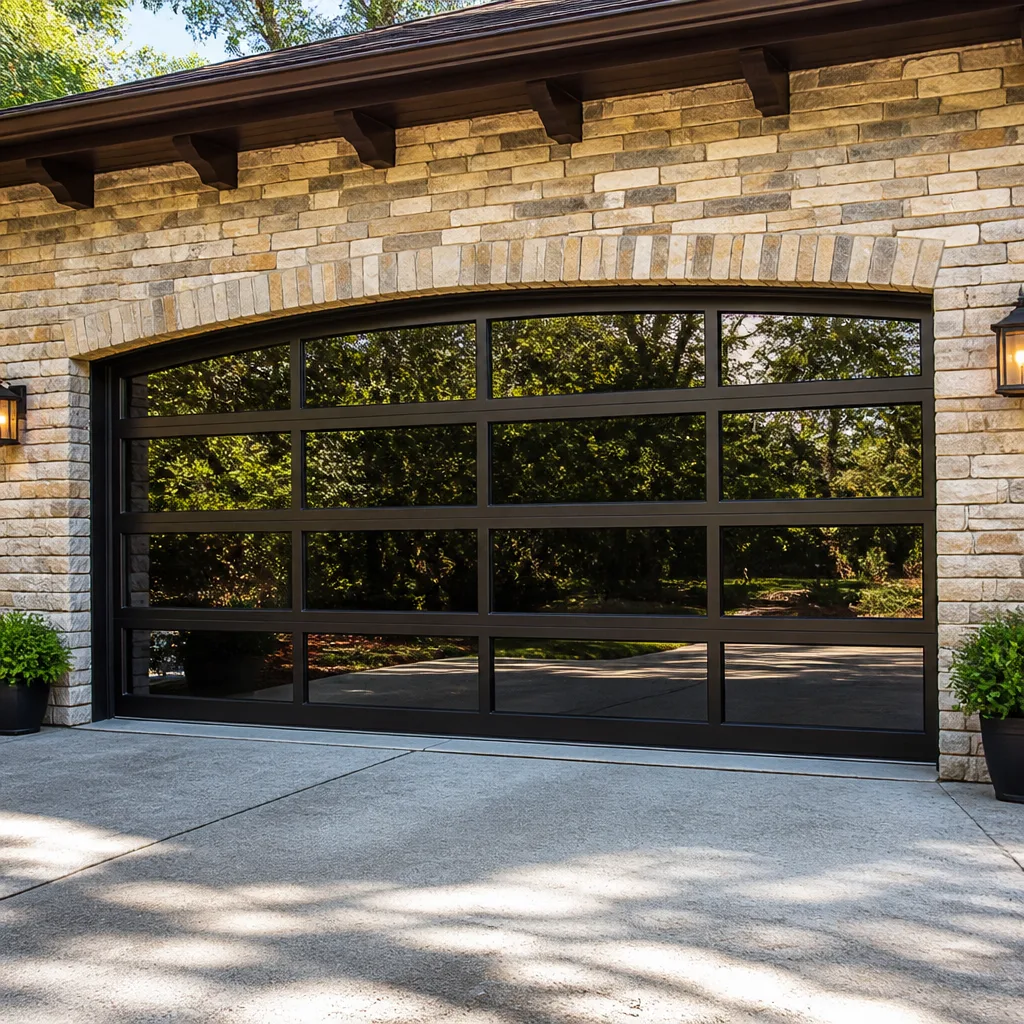 Full-view glass
 LiftMaster openers
 Chamberlain openers
Full 25-point door and opener safety check with every visit - springs, cables, rollers, tracks, and your LiftMaster or Chamberlain opener included
You get a price before we start. It does not change when the truck arrives.
Get your free estimateSeasonal Garage Door Care for Fort Myers: Year-Round Homeowner’s Guide
Most garage door maintenance guides are written for places with snow, ice, and a deep freeze that cracks rollers and snaps cables. Fort Myers doesn’t have that problem. What we have is a six-month hurricane season that tests every bracket, bolt, and brace on your door, followed by a dry season where heat and salt do quieter damage. This guide covers the two stress periods that actually matter here, what to check before and after storm season, and what to leave to someone with a torque wrench and factory training on your specific opener brand. For a broader overview, see our The Complete Guide to Garage Door in Fort Myers.
Styles & brands we work with
Quick Answer
Seasonal garage door care in Fort Myers comes down to two windows: pre-hurricane-season preparation in May and a post-season recovery inspection in December. During hurricane season, focus on wind-load components like braces and track bolts; during the dry season, focus on weather seals, opener thermal performance, and salt-air corrosion. A homeowner can handle visual inspections and basic lubrication, but anything involving torsion springs, cables, or hurricane braces needs a trained technician. For detailed repair information, read our The Complete Garage Door Repair Guide for Fort Myers Homeowners.
Table of Contents
- The Fort Myers Seasonal Calendar: Two Seasons That Matter
- Pre-Hurricane Season Prep: The May Checklist
- Hurricane Brace Installation and Inspection for Lee County
- The Dry-Season Heat Spike: What 95°F Does to Your Door
- Salt Air Deposition: The Hidden Corrosion Schedule
- Post-Storm Inspection: Structural vs. Cosmetic Damage
- Opener Brand-Specific Seasonal Notes
- Common Mistakes to Avoid
- When to Call a Professional
- Frequently Asked Questions
- The Bottom Line
The Fort Myers Seasonal Calendar: Two Seasons That Matter
Fort Myers sits in Lee County, which falls under Florida’s High Velocity Hurricane Zone wind classification. That’s not a technicality. It’s the reason your garage door has more metal in it than the same door installed in Tampa or Orlando. The building code here requires garage doors to withstand sustained winds of 150 mph or more, depending on the exact wind zone of your neighborhood, whether that’s Gateway, McGregor Boulevard, or the islands off San Carlos Boulevard.
From a maintenance standpoint, we treat the year as two distinct seasons. The first runs from roughly December through May. This is the dry season, when afternoon highs climb into the 90s and humidity drops but never disappears completely. The second runs from June through November: hurricane season, when storm threats peak between mid-August and mid-October and daily rain cycles dump moisture on every exposed metal surface.
What surprises most homeowners is that the dry season causes as many service calls as the storm season. Heat expands metal, stiffens lubricant, and triggers thermal overloads in opener motors. The stress is different from a storm’s brute force, but it compounds over three or four years until a spring snaps or a circuit board fails on the hottest afternoon of the year.
Pre-Hurricane Season Prep: The May Checklist
The week before a named storm is the worst possible time to discover your hurricane braces are missing, but that’s exactly when most Fort Myers homeowners think about them for the first time. If you do prep in May, you’ll be on a regular inspection schedule, not a storm-panic one.
Here’s the checklist we recommend for every Fort Myers door before June 1:
- Check horizontal bracing. Walk to the inside of the door with it closed. Look for the horizontal brace bars that run across each section. Verify all bolts are present and that each brace is snug against the door skin. Missing bolts are the most common finding we see in pre-season inspections.
- Verify track anchoring. The vertical and horizontal tracks should be bolted into the wall and ceiling with lag screws at regular intervals. Loose lag screws let the door wobble under wind load, which bends the track and can throw the door off entirely.
- Test the opener release. Pull the red emergency release cord. The door should lift smoothly and balance at the halfway point when released. If it slams shut or creeps up, the springs need attention. This is not a DIY adjustment.
- Inspect bottom seal contact. Wind-driven rain enters through gaps at the bottom of the door. Close the door and shine a flashlight from inside along the bottom edge on a sunny day. Visible light means water can get in during a storm.
- Run a full open-close cycle. Watch and listen. The door should move smoothly without grinding, popping, or hesitation. A popping sound often means a section hinge is seizing or a roller is failing.
If your door was installed before 2002, it may not meet current wind-load code at all. That’s the year Florida adopted the statewide building code after Hurricane Andrew. Many homes in older Fort Myers neighborhoods like Tice and Dunbar still have doors that were never retrofitted with bracing. A Garage Door Repair in Fort Myers inspection can tell you what your door is actually rated for.
Hurricane Brace Installation and Inspection for Lee County
Lee County’s wind zone requires that garage doors either be factory-built with wind-load reinforcement or retrofitted with an approved bracing system. If your door doesn’t have visible horizontal bars on the inside, it likely fails the code requirement for a post-Andrew home.
Here’s what a proper brace system looks like:
- Horizontal aluminum or steel struts bolted across each door section, spanning the full width of the door.
- Vertical posts that anchor into the floor and ceiling at the center of the door, used in some retrofit systems.
- Heavy-duty hinges and end stiles that connect the sections to the brackets, not lightweight stamped hinges.
- Lag screws into structural framing at every track attachment point, not just drywall anchors or short screws.
Inspection means more than looking. We check for galvanic corrosion where steel bolts contact aluminum braces and door skin. Two dissimilar metals plus salt air plus moisture equals pitting and failure at exactly the connection points that matter most in a storm. We also check for cracked welds on older retrofit kits, because once a weld fails, the brace provides almost no wind resistance at all.
One thing homeowners sometimes ask is whether they can install braces themselves. You can measure and order a kit, but the load calculations vary by door size, door weight, wind zone, and whether the opening is enclosed or partially protected. A door that’s 16 feet wide takes a lot more wind than a 9-foot single door. Getting it wrong means you’ve spent money on hardware that fails when you need it most.
The Dry-Season Heat Spike: What 95°F Does to Your Door
Fort Myers swings into the 90s regularly from April through October, with stretches where the heat index climbs past 100. In July and August, an attached garage can reach 120°F or higher. That’s the environment where your garage door opener’s motor and circuit board have to work.
Thermal overloads happen when the opener’s internal heat sensor reaches its threshold and shuts the unit down to protect the motor. On a hot afternoon, a door that opens fine in the morning may refuse to close. The opener isn’t broken. It’s hot. But if it happens repeatedly, the thermal cycles age the circuit board, and eventually the symptoms go from intermittent to permanent.
Heat also affects hardware. Here’s what we see in late August service calls around Fort Myers:
- Bent rollers. Nylon rollers can deform slightly when garage temperatures stay above 110°F. A deformed roller grinds against the track instead of rolling, which wears grooves over time.
- Stiffened lubricant. Heavy grease thickens in winter and thins in summer. Fort Myers winter isn’t cold enough for that cycle, but summer heat melts lightweight lubricant off hinges and rollers until they run dry and squeal.
- Weather seal shrinkage. Vinyl bottom seals and perimeter seals lose plasticizer in sustained heat and shrink. The result is daylight gaps at the bottom corners of the door, which lets in hot air, insects, and storm water.
- Spring fatigue. Heat cycling expands and contracts spring steel, which contributes to metal fatigue over thousands of cycles. A standard torsion spring is rated for 10,000 cycles. In Fort Myers, we see failures earlier than the rating when doors face direct afternoon sun.
Salt Air Deposition: The Hidden Corrosion Schedule
Fort Myers is a coastal city. Salt air deposition is heaviest from June through October, when the prevailing winds come off the Gulf and the humidity keeps condensation on metal surfaces most of the day. For homes west of I-75 in neighborhoods like Iona or McGregor, salt exposure is a daily event. For homes east of I-75, the exposure is reduced but still present.
Salt air attacks your garage door system in a predictable order. The first components to show pitting are the bottom seal retainers, which sit closest to the ground and trap moisture. Next come the track brackets and the hardware that connects sections together. After that, the springs themselves start showing surface rust, which is more than cosmetic on a part under thousands of pounds of tension.
A simple rinse helps. Washing the track, springs, and brackets with fresh water during the wet season, then drying them, removes salt and slows corrosion. But the places that matter most are the ones you can’t easily see: the inside of the spring coils, the cable loops, and the opener’s internal drive mechanism.
Here’s our practical approach to salt-air maintenance for Fort Myers doors:
- Rinse exterior surfaces monthly from June through October, especially after any storm that brought spray or heavy wind.
- Inspect galvanized parts quarterly. Look for white powder, which is zinc oxide, the first sign the galvanization is failing.
- Lubricate after every rinse. Water removes oil that protects coil springs. A dry spring rusts faster.
- Check cable condition before hurricane season. Cables with surface rust or frayed strands should be replaced, not lubricated. This is a job for a pro, never a ladder-and-pliers fix.
Post-Storm Inspection: Structural vs. Cosmetic Damage
A hurricane can pass by without landfall and still leave your door damaged. Wind gusts of 60 to 80 mph press against the door face and flex every component. Once the rain stops and power returns, the question is whether the damage is structural or cosmetic. Getting this right matters for insurance claims and for what you should fix now versus later.
Here’s the post-storm inspection protocol we recommend, in order:
- Open and close the door manually. Pull the release cord and run the door by hand. Any binding, scraping, or hard spots mean a track or roller issue. Cosmetic dents don’t cause binding. Bent tracks do.
- Check track squareness. Measure the distance between vertical tracks at top, middle, and bottom. More than a quarter-inch difference means the track shifted and needs realignment.
- Inspect the sections for cracks. A dent is cosmetic. A crack that runs from one edge of a section to another is structural and weakens the door’s wind resistance for the next storm.
- Look for stretched or loose cables. A cable that’s slack when the door is up has likely jumped a groove or stretched. A stretched cable is a failure waiting to happen under load.
- Test the opener after power returns. Run a full cycle and listen for grinding from the gear assembly. Storm surge and flooding can seize opener motors even if the door itself survived.
Document everything before you file a claim. Photos of the door in the open and closed position, measurements of visible defects, and a list of the hardware you see damaged. Insurance adjusters in Lee County work heavy storm loads, and a detailed paper trail moves your claim faster.
If the damage is structural or the door won’t close and lock, you need a professional same day. A door that won’t close and secure is an open invitation to every type of Florida wildlife, not to mention a liability if the house is unoccupied. This is when you call a Garage Door Installation in Fort Myers expert to assess whether the door can be repaired or needs replacement.
Opener Brand-Specific Seasonal Notes
We work on all eight major brands, and each has its own seasonal failure profile in Fort Myers. Knowing yours helps you spot problems early. If you’re considering a new door, check out our Choosing the Right Garage Door Brand: A Buyer’s Guide for Fort Myers.
LiftMaster and Chamberlain openers share the same parent company and similar logic boards, which are generally reliable in heat. The weak point on older units is the capacitor, which swells in high temperatures and kills the opener without warning. If you have a LiftMaster or Chamberlain unit more than ten years old, a mid-summer capacitor check beats a dead opener on a Friday afternoon.
Genie openers use a screw drive on many models, which runs hotter than belt or chain drives in a Fort Myers garage. Genie screw-drive units need fresh lubrication twice a year, once before storm season and once after, or they start binding and tripping their overload sensor. This is a routine service item, not a failure.
Craftsman openers run the range from belt drives to chain drives depending on the model year. The older chain drives are noisy and their sprockets wear. Newer Craftsman units share Chamberlain DNA, so the heat-profile issues are similar. If your Craftsman is a decade old and spends every afternoon in a 120°F garage, expect the motor’s thermal protection to trip. When that happens, the opener isn’t broken. It needs a cool-down and, if it persists, a Garage Door Opener Repair in Fort Myers visit.
Raynor residential openers are less common but we see them around older Fort Myers homes, usually matched to a Raynor door. Their line can be hard to source parts for if you call a single-brand dealer. Since we carry parts for Raynor and the other seven major brands, we can repair them without ordering from out of state and waiting a week.
Common Mistakes to Avoid
- Waiting until a named storm is 72 hours out to check hurricane braces. Contractors book out solid before a storm. The time to verify your bracing is May, not September.
- Lubricating a squeaking door with WD-40. WD-40 is a solvent, not a lubricant. It strips protective oil off springs and accelerates rust in salt air. Use white lithium grease rated for garage components.
- Ignoring a door that balances poorly after a storm. That’s often the first sign of a stretched cable or a compromised spring. Running the opener on an unbalanced door destroys the gear.
- Skipping post-storm interior inspection if water didn’t reach the garage. A hurricane’s force flexes parts even when the garage stays dry. What flexes un-inspected becomes a January failure.
- Assuming a dented door is fine because it still opens. Dents may be cosmetic, but the forces that caused them often bent the track or damaged braces in ways you won’t notice by ear.
- Repainting the bottom panel without checking the seal. Fort Myers owners repaint doors for cosmetic reasons all the time. If the bottom seal is cracked, water, pests, and hot air have been getting in for months. Check the seal first, then paint.
When to Call a Professional
Everything in this guide is inspectable by a homeowner, but certain conditions demand a technician. Any spring adjustment, cable replacement, track realignment, or hurricane brace installation involves stored energy or load-bearing components that can cause serious injury if handled wrong. Torsion springs under tension store enough force to break bones or worse. If your door is unbalanced, making loud popping noises, or showing cable slack, leave it alone and call.
Diamond Garage Door Co offers free estimates in Fort Myers. Call (866) 472-5684 and we’ll send a technician who works on the brand you already have, whether it’s a LiftMaster, Genie, Raynor, or anything else. We diagnose the whole system, from the spring to the opener, and give you a written price before any work starts.
Frequently Asked Questions
A standard maintenance inspection with lubrication and adjustment typically runs $85 to $150 in the Fort Myers market, depending on door type and opener brand. Hurricane brace inspection may be a separate line item. Call (866) 472-5684 for a free estimate before any work starts.
You can buy a retrofit kit, but proper installation requires matching the brace system to your door’s wind load calculation, which depends on door size, wind zone, and exposure. An incorrectly installed brace gives you false confidence and fails in the storm. A professional installation is the safer route.
That’s a thermal overload. The opener’s internal heat sensor shuts the motor down to prevent damage when the garage temperature spikes. If it happens every afternoon, the opener is likely close to the end of its reliable life and should be evaluated before it fails permanently.
Twice a year: once in May before storm season and once in December after it ends. Use a garage-rated white lithium grease on the springs, hinges, and rollers. Skip the track, which should stay clean and dry. In coastal neighborhoods like Iona or San Carlos, add a light re-lubrication after heavy salt-spray storms.
A dent affects the surface. Structural damage affects the door’s ability to resist wind, which means cracks through a section, separated stiles, or a door that no longer sits square in the opening. In Fort Myers, a structurally compromised door is a code violation before the next hurricane.
Yes. We repair openers across all eight major brands we’re certified on, including LiftMaster, Chamberlain, Genie, Craftsman, and Raynor. You don’t need to replace your opener just because another company only services the brand they sell.
The Bottom Line
Fort Myers garage doors need attention at two specific times of year, not year-round busywork. In May, before hurricane season, verify your bracing, track anchors, bottom seal, and spring balance. In December, after the last storm has passed and the dry season starts, inspect for salt corrosion, seal shrinkage, opener thermal issues, and any structural damage the season left behind. If you find something that involves springs, cables, tracks, or braces, call a professional who works on your existing brand. Diamond Garage Door Co has been doing exactly that in Fort Myers since 2016. Call (866) 472-5684 for a free estimate, and we’ll put a Diamond-level inspection on your calendar before the next storm watch. Browse our more guides & resources for additional home maintenance tips.
Written by the team at Diamond Garage Door Co home, serving Fort Myers since 2016.
See the difference
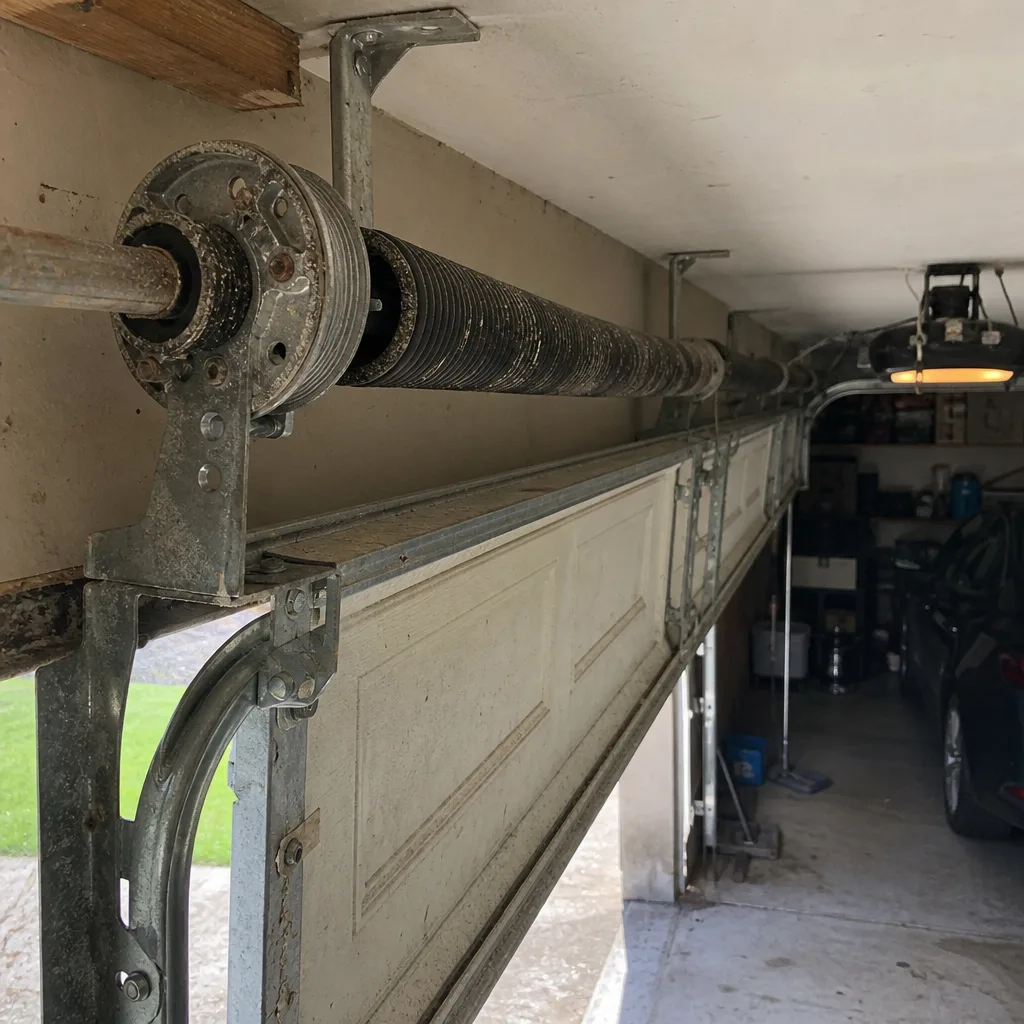 Before
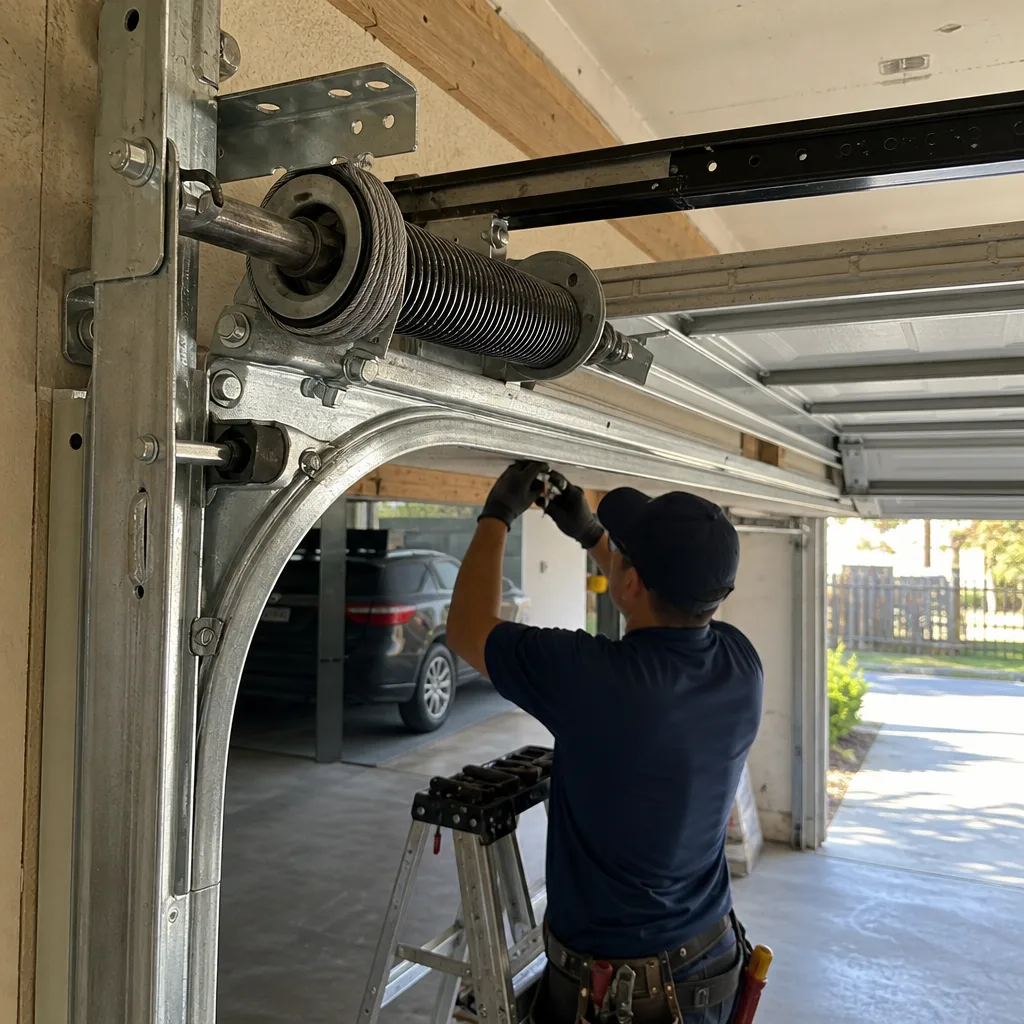 After
 Before
 After
 Before
 After