

Last updated October 31, 2026
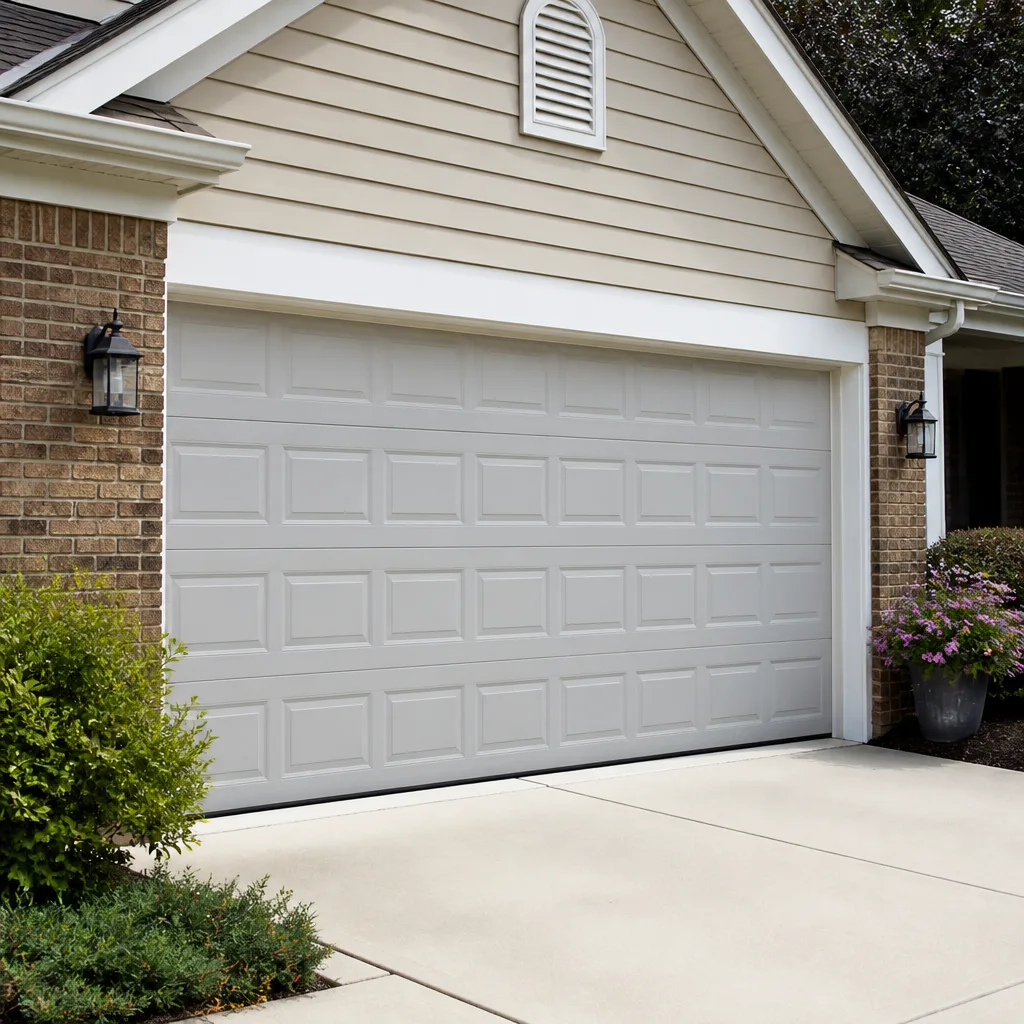 Raised-panel steel
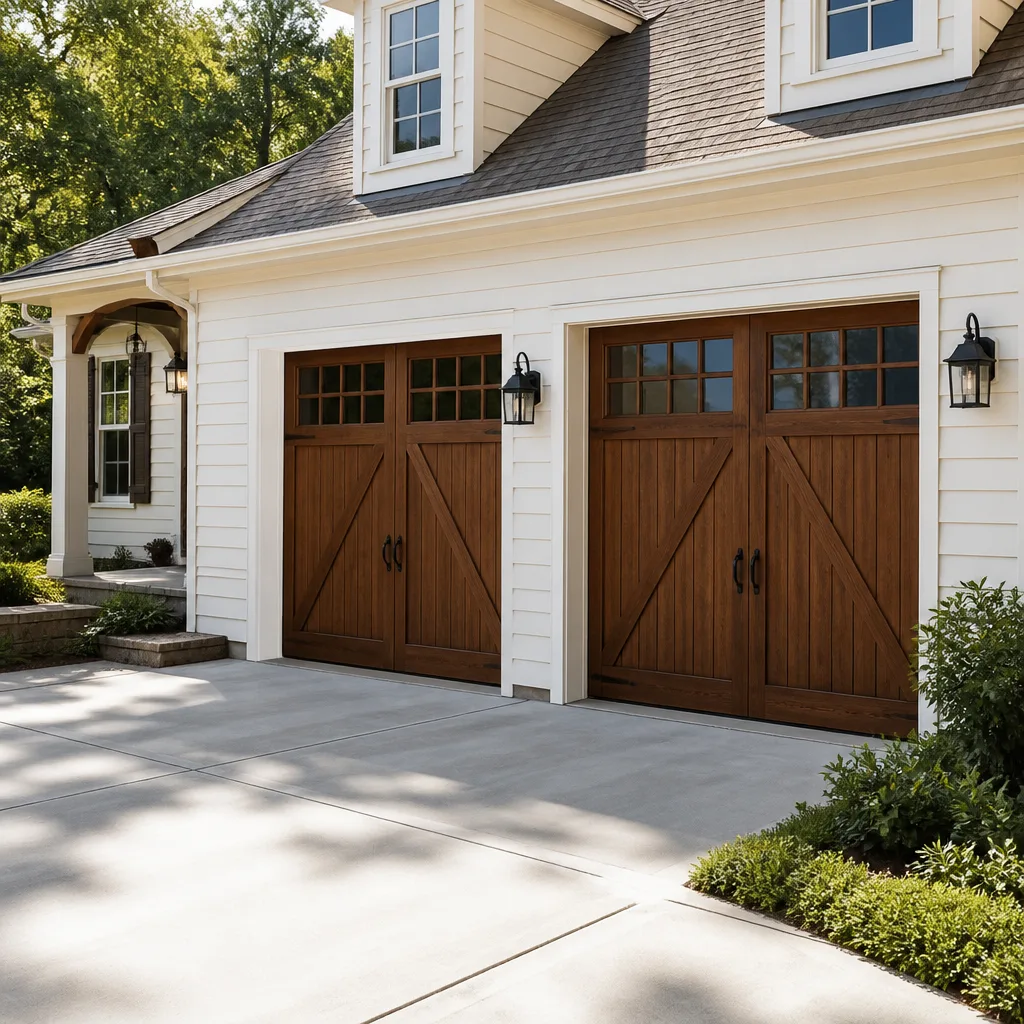 Carriage house
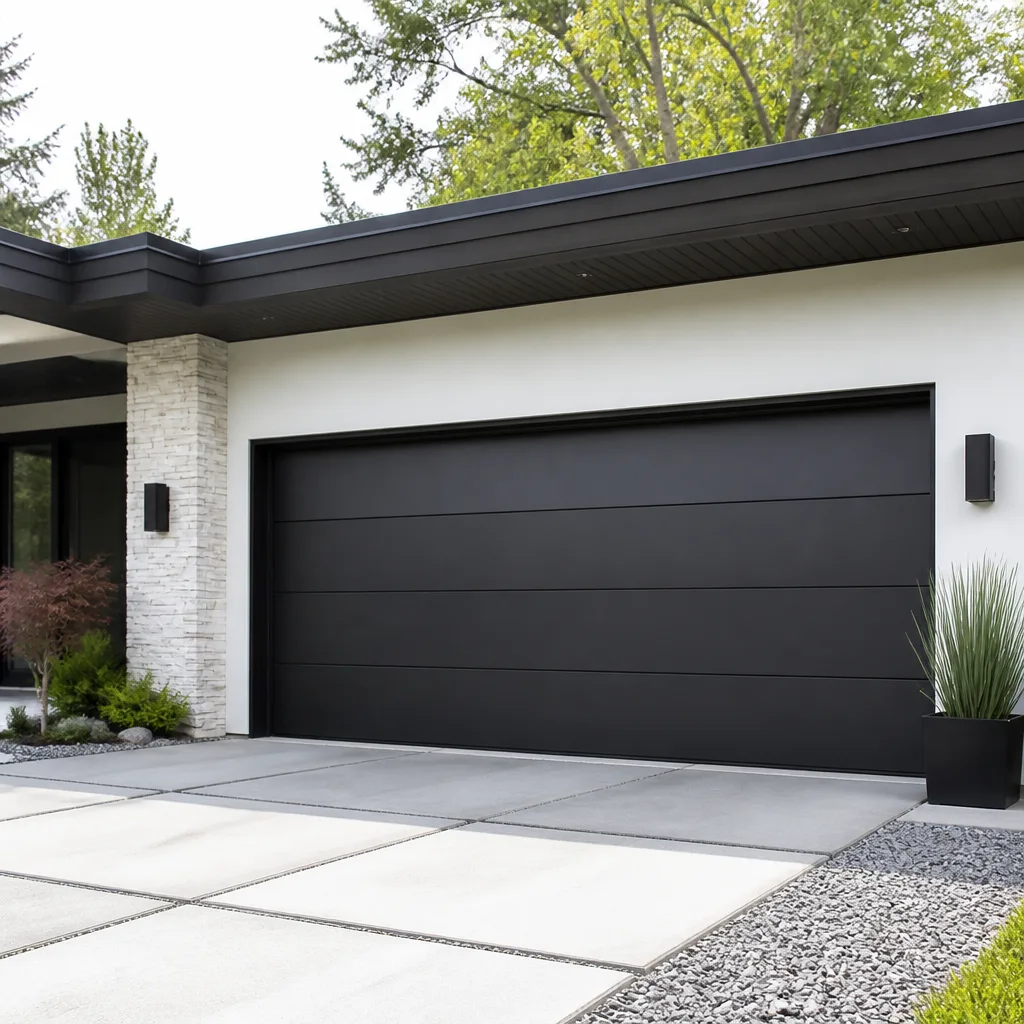 Modern flush
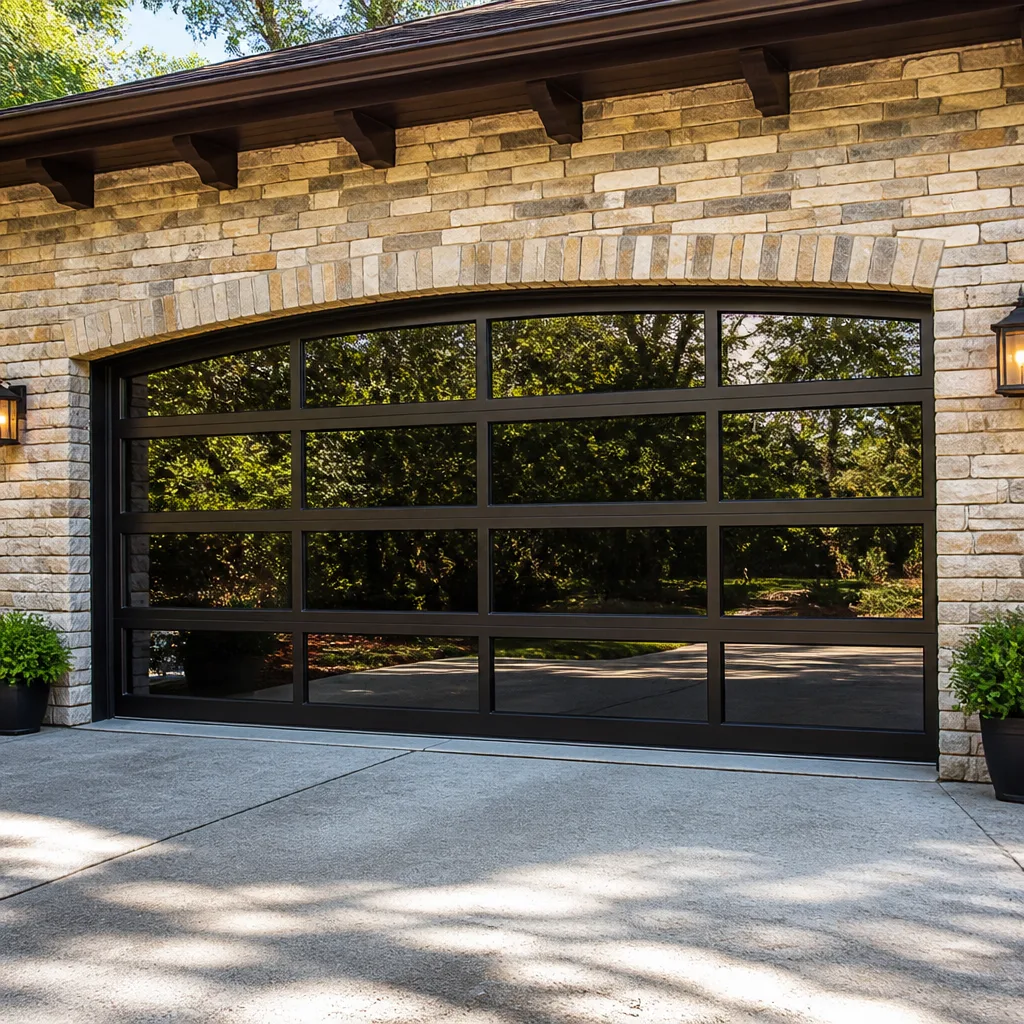 Full-view glass
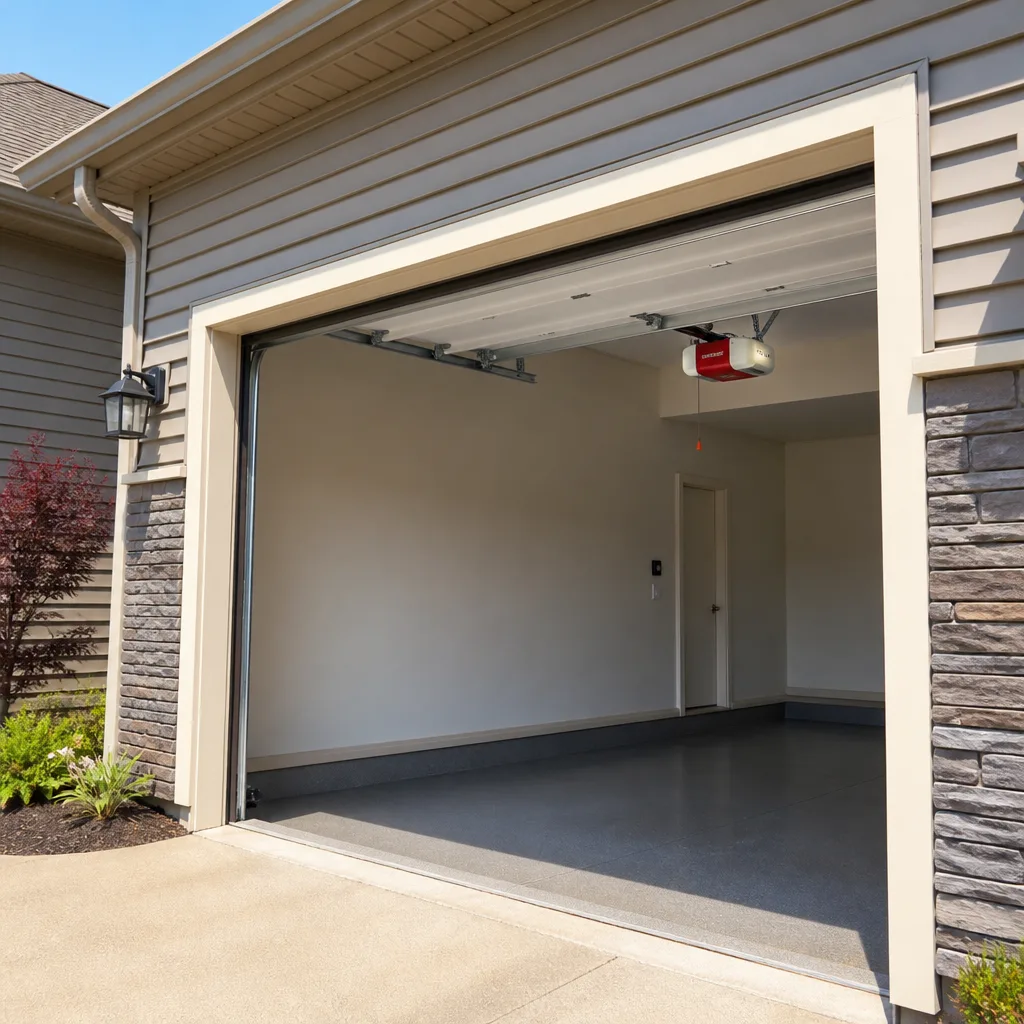 LiftMaster openers
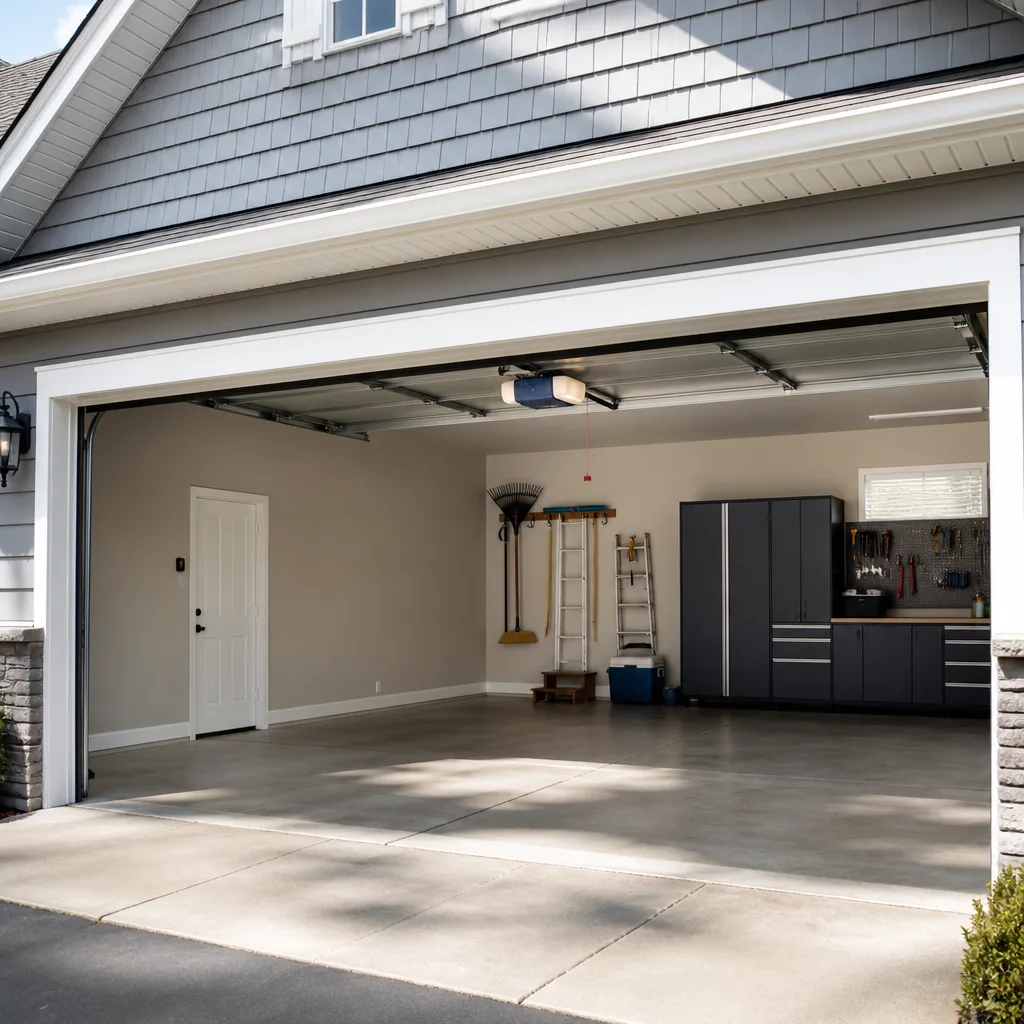 Chamberlain openers
Full 25-point door and opener safety check with every visit - springs, cables, rollers, tracks, and your LiftMaster or Chamberlain opener included
You get a price before we start. It does not change when the truck arrives.
Get your free estimateGarage Door Permits, Codes & Inspections in FL: What You Need to Know
Here’s a fact most Florida homeowners learn the hard way: a garage door replacement without a permit in Fort Myers can sit quietly in county records for years, then surface during a title search when you try to sell the house. The buyer’s lender flags it. The deal stalls. And now you’re scrambling to pull a retroactive permit before closing. This guide covers the permit triggers, the Lee County specifics, the wind-load codes that matter during hurricane season, and the inspection steps inspectors actually enforce. For more guides & resources on keeping your garage door compliant, explore our blog. You’ll leave knowing exactly what requires a permit, what doesn’t, and how to fix a past mistake without tearing your hair out.
Styles & brands we work with
Quick Answer
In Florida, garage door replacements require a building permit in virtually every county, including Lee County and Fort Myers. Garage door repairs (springs, cables, rollers, opener fixes) generally do not. If a door is being replaced, it must meet Florida Building Code 2023 wind-load standards for your specific wind speed zone, and it must pass a final inspection. Installing a new door without a permit creates a title defect, potential insurance claim denial after storm damage, and a stop-work order risk on future renovations.
Table of Contents
- When a Garage Door Permit Is Required in Florida
- When a Permit Is NOT Required
- Lee County and Fort Myers Specifics: Where the Line Actually Falls
- Florida Building Code 2023 Wind-Load Requirements for Fort Myers
- What the Inspection Actually Checks After a Permitted Install
- How Unpermitted Garage Door Work Affects Insurance Claims
- Retroactively Permitting an Unpermitted Door Replacement
- Common Mistakes to Avoid
- When to Call a Professional
- Frequently Asked Questions
- The Bottom Line
When a Garage Door Permit Is Required in Florida
Florida treats a garage door as part of the building envelope. That means any work that removes and replaces the door, changes its structural opening, or alters its wind-resistance rating falls under the building permit umbrella. The Florida Building Code (FBC) is clear on this: a garage door replacement is an alteration to an exterior opening, and exterior openings are regulated because they’re the first point of failure in a hurricane. The state’s position is simple. If the old door comes out and a new one goes in, the building official wants to know about it.
Specifically, a permit is required when:
- The garage door is being replaced with a new door, even if the new door is the same size.
- The opening size changes, which means cutting into the header, jambs, or stem wall.
- The door is being retrofitted with impact-rated panels that change the door’s wind-load certification.
- The work involves structural modification to the garage face, lintel, or load-bearing wall around the opening.
- A new garage structure is being built, including the door installation as part of new construction.
- Converting a carport to a garage or adding a garage to an existing home.
The permit is issued by the local building department. In Fort Myers, that’s the City of Fort Myers Building Division. In unincorporated Lee County, it’s Lee County Development Services. The distinction matters because permit fees, inspection schedules, and specific documentation requirements vary between the two jurisdictions. A homeowner pulling their own permit pays different fees than a contractor pulling one on your behalf, though the technical submission requirements are identical: product approval documents for the door, wind-load calculations, and a site-specific design pressure analysis.
In our experience, the single biggest point of confusion is the word replacement. Homeowners hear “replacement” and think it means upgrading to something different. It doesn’t. Swapping a worn-out 16×7 door for a brand-new 16×7 door is a replacement, and it triggers the permit requirement. We’ve walked homeowners through this at the Diamond Garage Door Co home level enough times to know that most people only discover this rule after the work is done. The fix isn’t impossible, but it’s easier to permit it correctly the first time.
When a Permit Is NOT Required
The Florida Building Code exempts ordinary repairs from permitting requirements. The operative word is ordinary, and it’s defined by the scope of work rather than the cost. If the work restores the door to its original condition using like materials and doesn’t alter the door’s wind-resistance rating, no permit is needed. This is the repair side of the business, and it covers the vast majority of service calls we see week to week.
Work that does not require a permit includes:
- Spring replacement (torsion or extension springs).
- Cable and roller replacement.
- Track realignment and bracket tightening.
- Hinge replacement on individual sections.
- Opener replacement when the door itself remains untouched.
- Weather seal and bottom gasket replacement.
- Sensor replacement and safety system repair.
- Lubrication, balance adjustment, and routine maintenance.
Opener replacement deserves a specific note. When homeowners ask us about garage door openers in Fort Myers, they’re often surprised to learn that swapping an opener doesn’t require a permit in most Florida jurisdictions because the door panels and their wind-rating stay the same. For deeper insight into diagnosing issues before they escalate, see our Garage Door Repair Troubleshooting: Common Problems and How to Fix Them. The opener is a mechanical accessory attached to the door, not part of the wind-resistant envelope. That said, if you’re replacing the door and the opener at the same time, the door replacement triggers the permit, and the opener install gets included in that same permit’s scope.
For a deeper look at the repair side of this equation, our Garage Door Repair in Fort Myers service page covers what typical repairs involve and how long they take. The short version: if we’re fixing what’s broken without changing what’s attached to the house, you’re almost always in the no-permit zone.
Lee County and Fort Myers Specifics: Where the Line Actually Falls
Lee County follows the Florida Building Code, but with local administrative amendments that sharpen the definition of “replacement” in ways that catch homeowners off guard. The county’s position, as enforced by both the City of Fort Myers and unincorporated Lee County building departments, is that any garage door where the panels are removed and replaced constitutes a replacement, even if the tracks, springs, and hardware remain. This is a stricter read than some other Florida counties apply.
Here’s a practical example. We’ve had customers in the McGregor Boulevard area ask whether replacing just the bottom two damaged panels of a four-panel door requires a permit. Under Lee County’s interpretation, the answer is generally yes if the new panels change the product approval status of the door. If you’re replacing panels with identical panels from the same manufacturer under the same product approval, many inspectors will treat it as a repair. If you’re mixing Clopay panels onto an Amarr track system, you’ve voided the product approval and a permit becomes non-negotiable.
Another Fort Myers-specific consideration: flood zone regulations. Homes in the AE flood zones west of U.S. 41 and along the Caloosahatchee River fall under additional elevation certificate and floodplain management rules if the garage door opening is below base flood elevation. A permit application for a replacement door in those zones often triggers a floodplain review, which can add two to three weeks to the approval timeline. This is a distinction that doesn’t appear in generic online permit guides, and it’s one that matters for anyone in neighborhoods like Fort Myers Shores or the riverfront communities off Palm Beach Boulevard.
Lee County also enforces a local business tax receipt requirement for contractors pulling permits. If you hire a contractor, they must be licensed with the county and display their local business tax receipt on the permit application. If you pull the permit yourself as a homeowner, you sign an owner-builder affidavit that limits your ability to sell the property within one year of the permitted work. This is a state law that many homeowners discover only when they try to sell eight months after a DIY install.
Florida Building Code 2023 Wind-Load Requirements for Fort Myers
Fort Myers sits in a High Velocity Hurricane Zone (HVHZ) under Florida law, which means the wind-load requirements here are stricter than in Miami-Dade and Broward counties on some measures, and equal on others. The 2023 Florida Building Code places Fort Myers in a wind speed zone requiring doors to resist design pressure ratings between +45 and -55 pounds per square foot (psf) for most single-family residential applications, depending on the exact location, exposure category, and mean roof height. The negative rating matters more than the positive one. It’s the suction force pulling the door outward during a hurricane’s passage.
What this means for product selection is specific. The door you buy must carry a Florida Product Approval or Miami-Dade NOA (Notice of Acceptance) number that matches the design pressure calculated for your home’s exact address. A door approved for +35/-45 psf won’t pass inspection in Fort Myers if the site-specific calculation calls for +45/-55. We see this happen with homeowners who order doors online from out-of-state suppliers. The door arrives, the permit application is submitted, and the product approval number doesn’t match the wind zone. The door goes back on the truck.
For practical purposes, homeowners in Fort Myers should expect any new garage door to require one of these options:
- Impact-rated door with missile impact testing (the strongest option, tested with a 9-pound 2×4 fired at 50 feet per second).
- Wind-rated door without missile impact, paired with an approved storm shutter or fabric panel system deployed over the opening.
- Site-specific engineering for custom doors where standard product approvals don’t apply.
Brands like Clopay, Amarr, and Wayne Dalton manufacture doors specifically for the Florida HVHZ market with product approvals filed with the state. LiftMaster and Chamberlain openers don’t need wind-load approvals because they’re not part of the envelope, a point worth remembering if you’re looking at Garage Door Opener Repair in Fort Myers separately from a door replacement.
The wind-load requirement isn’t bureaucratic trivia. It’s the difference between a garage staying attached to your house during a Category 3 storm and a door peeling off like a tin can lid. Fort Myers learned that lesson directly in 2022 with Hurricane Ian. The building code reflects it.
What the Inspection Actually Checks After a Permitted Install
Once a permitted garage door installation is complete, the contractor or homeowner calls for a final inspection. In Fort Myers and Lee County, the inspection typically happens within one to three business days of the request. The inspector verifies specific items against the approved plans and the product approval documents. This isn’t a visual once-over. It’s a Garage Door Repair Maintenance Checklist for Fort Myers Homeowners-style inspection with pass/fail consequences.
Here’s what the inspector actually looks at, in order of importance:
- Product approval match: The door installed must match the FL Product Approval number listed on the permit application. Serial numbers, manufacturer labels, and the physical door construction are checked against the paperwork.
- Anchorage and fastening schedule: Track brackets and jamb brackets must be fastened to the wall using the exact screw pattern and embedment depth specified in the product approval. Undersized screws fail inspection.
- Header attachment: The spring line and track mount points on the header must show positive structural attachment. Inspectors look for the bracket pattern matching the approved details.
- Wind-load reinforcement: On impact-rated doors, inspectors verify the panel reinforcement stiles are installed and that the door’s rating label is visible on the interior face.
- Balance and operation: The door must raise and lower smoothly, hold position at mid-travel, and close fully to the slab. A door that slams or drifts fails.
- Safety reverse system: The opener’s photoelectric sensors and auto-reverse function must be operational if an opener is installed. This is often checked during the same visit.
If the inspection fails, the inspector issues a correction notice with a specific list. You have a set window, usually 30 days, to fix the issues and call for a re-inspection. Re-inspection fees apply. In our experience, the most common failure point is fasteners. A contractor uses generic lag screws instead of the approved Simpson or Hilti anchors specified in the product approval, and the inspector catches it immediately. The second most common is a product approval mismatch, usually from mixing door brands or installing a door with an expired approval number.
How Unpermitted Garage Door Work Affects Insurance Claims
Here’s the scenario that keeps homeowners up at night. A hurricane hits Fort Myers. Your garage door fails, water enters the garage, and the resulting damage spreads to the interior. You file a claim. The adjuster arrives, reviews the door’s installation history, and discovers the replacement door was installed without a permit and without a product approval matching the wind zone. The insurance company denies the claim on the grounds that the door was not installed to code, creating a condition the policy excludes.
This isn’t hypothetical. Florida insurance carriers have become significantly more aggressive about code compliance in claim investigations since Hurricane Ian exposed widespread unpermitted work across Lee County. The policy language matters less than the insurer’s risk appetite, and insurers are currently in a posture of denying first and settling later.
The specific exposures include:
- Claim denial for damage caused by or exacerbated by an unpermitted, non-code-compliant door.
- Coverage gap during the dispute period while you fight the denial through appraisal or litigation.
- Reduced payout even when the claim isn’t fully denied, based on the argument that a code-compliant door would have reduced the damage.
- Policy non-renewal after the claim, with the unpermitted work flagged in the underwriting database.
The liability doesn’t end with insurance. When you sell the house, Florida’s mandatory seller disclosure form includes a specific question about known building code violations and unpermitted work. Answering falsely creates liability that survives the closing. Answering truthfully gives the buyer leverage to demand a price concession or a repair escrow. The cleanest path, always, is to ensure the door is permitted and inspected when the work is done.
Retroactively Permitting an Unpermitted Door Replacement
If you bought a home with an unpermitted garage door, or you replaced a door years ago without pulling a permit, Florida law provides a path to compliance. It’s called an after-the-fact permit, and in Fort Myers and Lee County it works like this:
- Confirm the scope of the violation. Determine whether the door was replaced, what product approval it carries (the label should be on the door), and whether any structural changes were made to the opening.
- Gather documentation. You’ll need the door’s product approval number, installation date if known, and the installer’s information if available. If you don’t have this, a contractor can often identify the door and pull the approval from manufacturer records.
- File the after-the-fact permit application with the City of Fort Myers or Lee County, depending on your jurisdiction. The application is the same as a standard permit, with an additional notation that work was performed without a permit.
- Pay the standard permit fees plus a penalty. Florida law allows building departments to charge up to four times the standard permit fee as a penalty for unpermitted work. In practice, most Lee County after-the-fact permits settle at two to three times the base fee.
- Schedule the inspection. The inspector will verify the door meets current code. If the door is old and doesn’t meet current wind-load standards, you may be required to retrofit or replace it entirely.
- Clear the violation. Once the inspection passes, the permit is closed and the property record is clean. Keep the permit documents for closing disclosures.
There’s a specific scenario where retroactive permitting becomes mandatory: when the unpermitted door is discovered during a title search, a refinance appraisal, or an insurance underwriting review. Banks won’t lend on a property with an open building code violation. Insurance carriers won’t bind coverage. The after-the-fact permit clears the issue, but it takes weeks at a minimum, and closing dates don’t wait. This is the “surfaces at the worst possible moment” problem referenced at the top of this guide, and it’s one we’ve helped homeowners navigate more times than we’d like to count.
Common Mistakes to Avoid
- Assuming “same size” means no permit. Replacing a door with an identical-size door is still a replacement, not a repair. The permit requirement doesn’t turn on whether the opening changed. It turns on whether the door changed.
- Buying a door online without verifying the Florida Product Approval number. Out-of-state retailers regularly sell doors that don’t carry Florida-specific approvals. The door arrives, the permit application fails, and you’re stuck with return shipping costs and a garage you can’t close.
- Letting a handyman do the install without checking their Lee County local business tax receipt. An unlicensed installer can’t pull the permit, which means the work goes unpermitted by default. You discover this when the door fails or the property goes to market.
- Mixing door brands in a way that voids the product approval. A Clopay bottom panel on an Amarr door doesn’t just look different. It invalidates the engineering certification that the permit relies on, and the inspection will fail.
- Ignoring the flood zone review requirement. In Fort Myers flood zones, replacing a door below base flood elevation triggers additional review. Skipping that step in the permit application delays approval and can trigger a compliance notice.
- Waiting for a sale or refinance to discover the unpermitted door. By the time a title search flags it, you’re working against a deadline. Filing an after-the-fact permit under time pressure is more expensive and more stressful than doing it when convenient.
- Assuming the installer’s permit covers the work without verifying it. Contractors sometimes claim permits are pulled when they aren’t. Always ask for the permit number and verify it with the building department before the work starts.
When to Call a Professional
Permit compliance for garage doors sits at the intersection of building code, wind engineering, and product manufacturing, which is a lot of specialized knowledge for one homeowner to reasonably hold. If you’re replacing a door in Fort Myers and want the permit, the product approval, and the inspection handled correctly the first time, work with a contractor who does permitted installs regularly and knows the Lee County process. If you’ve discovered an unpermitted door from a previous owner, a professional can identify the door, pull the product approval, and manage the after-the-fact permit without you having to navigate the building department alone. If you’re buying a home and a title search flagged a garage door issue, get a professional evaluation before you close so you know exactly what remediation costs.
Garage Door Installation in Fort Myers is a core part of what we do at Diamond Garage Door Co, and we handle permitted installations as standard practice. We work on the brand you already have, and we know how to get the paperwork right. Call (866) 472-5684 for a free estimate and a straight answer on whether your door situation requires a permit.
Frequently Asked Questions
A garage door replacement permit in Fort Myers typically costs between $75 and $250 depending on the scope of work and whether any structural changes are involved. Lee County adds a surcharge for flood zone review in applicable areas. An after-the-fact permit can run two to three times the base fee. Call (866) 472-5684 and we’ll give you the exact fee schedule for your address.
No. Even as a homeowner, replacing a garage door in Florida requires a permit unless the work qualifies as an ordinary repair. Pulling the permit yourself as an owner-builder is allowed, but it restricts your ability to sell the home within one year and makes you directly responsible for code compliance. Most homeowners find that working with a licensed contractor who handles the permit is simpler and less risky.
Replacing a garage door opener typically does not require a permit in Fort Myers because the door panels and their wind-rating remain unchanged. The opener is a mechanical component, not part of the wind-resistant envelope. If you’re replacing the door and opener together, the door replacement triggers the permit, and the opener work gets included in that same permit’s scope.
The inspector issues a correction notice listing the specific failures, usually related to fasteners, product approval mismatches, or installation details that don’t match the approved plans. You have a set period, typically 30 days, to correct the issues and call for re-inspection. A re-inspection fee applies. If the door itself doesn’t meet the required wind rating, you may need to retrofit or replace it entirely.
Yes. Open building permits and unresolved code violations appear on municipal lien searches, which are standard during any real estate transaction in Florida. An unpermitted door replacement may not have an open permit record, but it can be flagged when a buyer’s inspector or appraiser notices the door doesn’t match the building records. The discovery typically triggers a request for retroactive permitting before closing.
No. Spring replacement is classified as an ordinary repair under the Florida Building Code and does not require a permit. The same applies to cables, rollers, hinges, and track realignment. These repairs restore the door to its original condition without changing the wind-resistance rating or the structural opening.
The door you install in Fort Myers must carry a Florida Product Approval or Miami-Dade NOA number that matches the design pressure calculated for your home’s specific location. Fort Myers’s wind speed zone typically requires design pressures around +45/-55 psf for single-family residential doors. A door approved for a lower wind zone won’t pass inspection. Brands like Clopay, Amarr, and Wayne Dalton manufacture doors specifically approved for the Florida HVHZ market.
The Bottom Line
Florida’s garage door permit rules are not optional, and they’re not a technicality. A replacement door requires a permit in Fort Myers and throughout Lee County. Repairs don’t. The wind-load standards exist because garage doors are the most vulnerable exterior opening on a Florida home during a hurricane, and the code reflects hard lessons from storms like Ian. Unpermitted work creates insurance exposure, title defects, and liability you may not discover until a sale or a claim forces the issue. Learn to spot trouble early with our Garage Door Warning Signs: A Fort Myers Homeowner’s Reference Guide. If you’re replacing a door, permit it correctly the first time. If you inherited an unpermitted door, fix it before it becomes someone else’s problem. That’s the practical path, and it’s the one that keeps your house sellable, insurable, and standing when the next storm rolls through.
Written by the team at Diamond Garage Door Co, serving Fort Myers since 2016.
See the difference
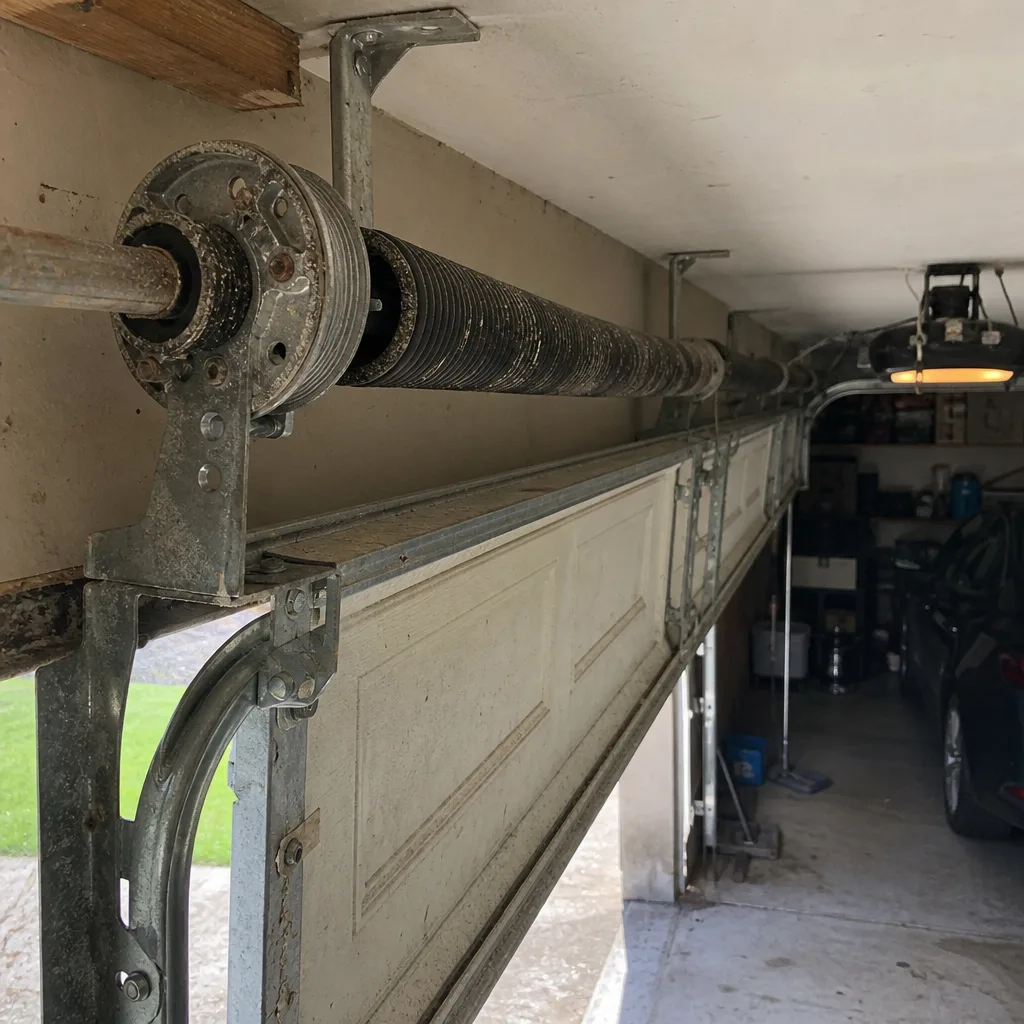 Before
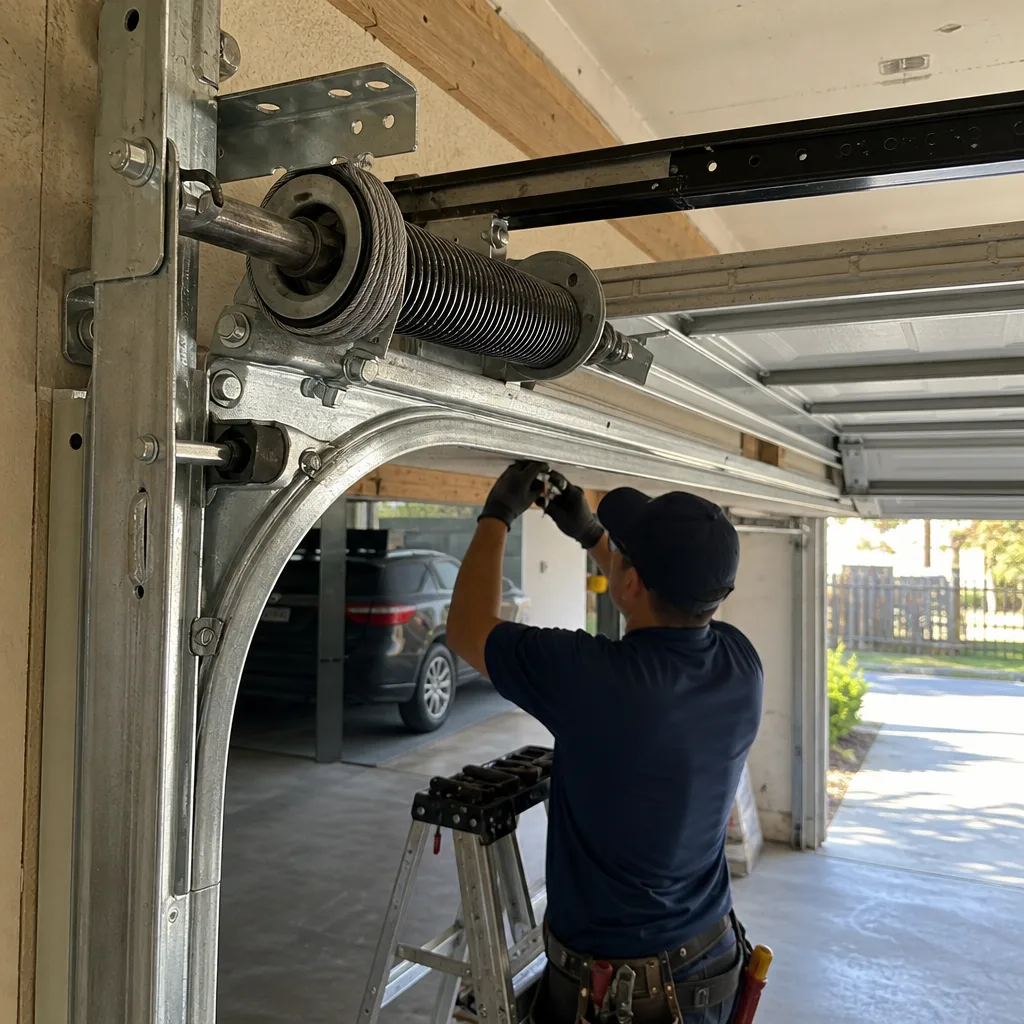 After
 Before
 After
 Before
 After