

Last updated October 31, 2026
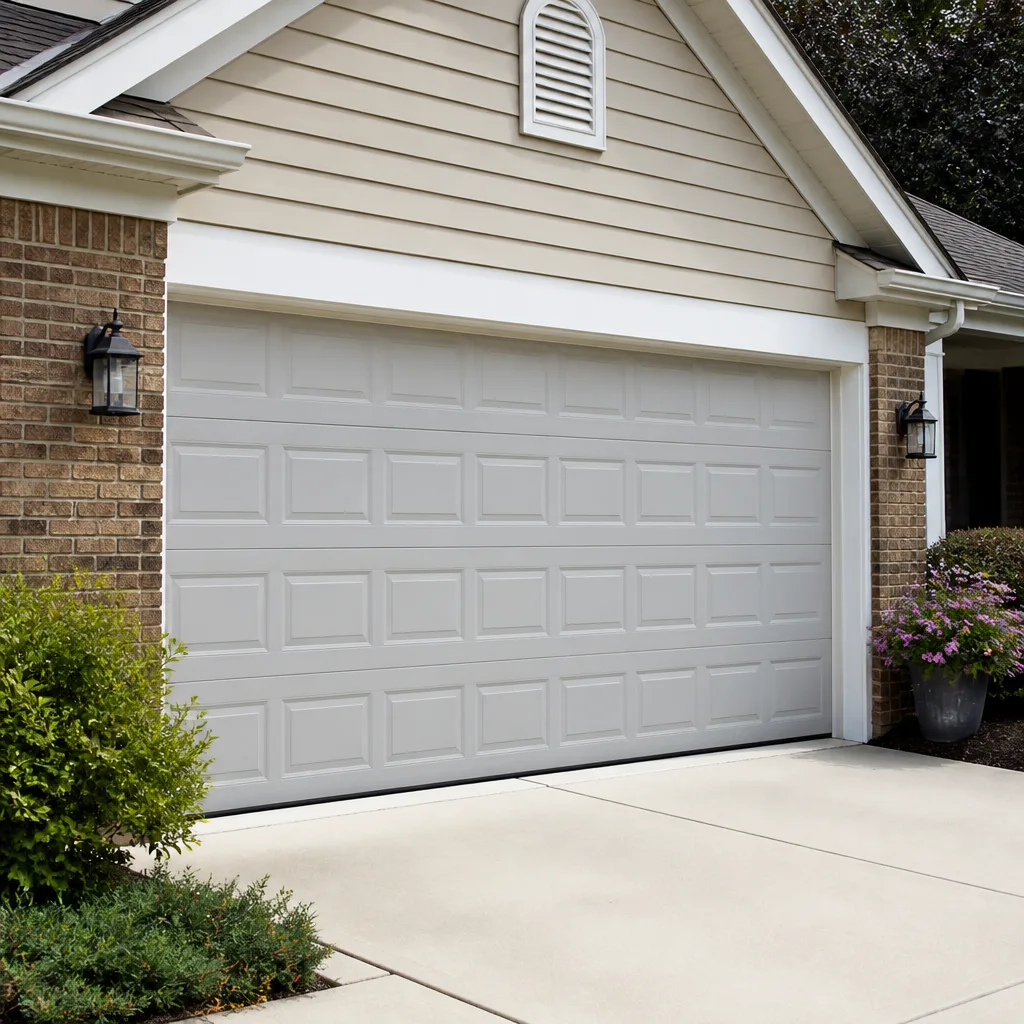 Raised-panel steel
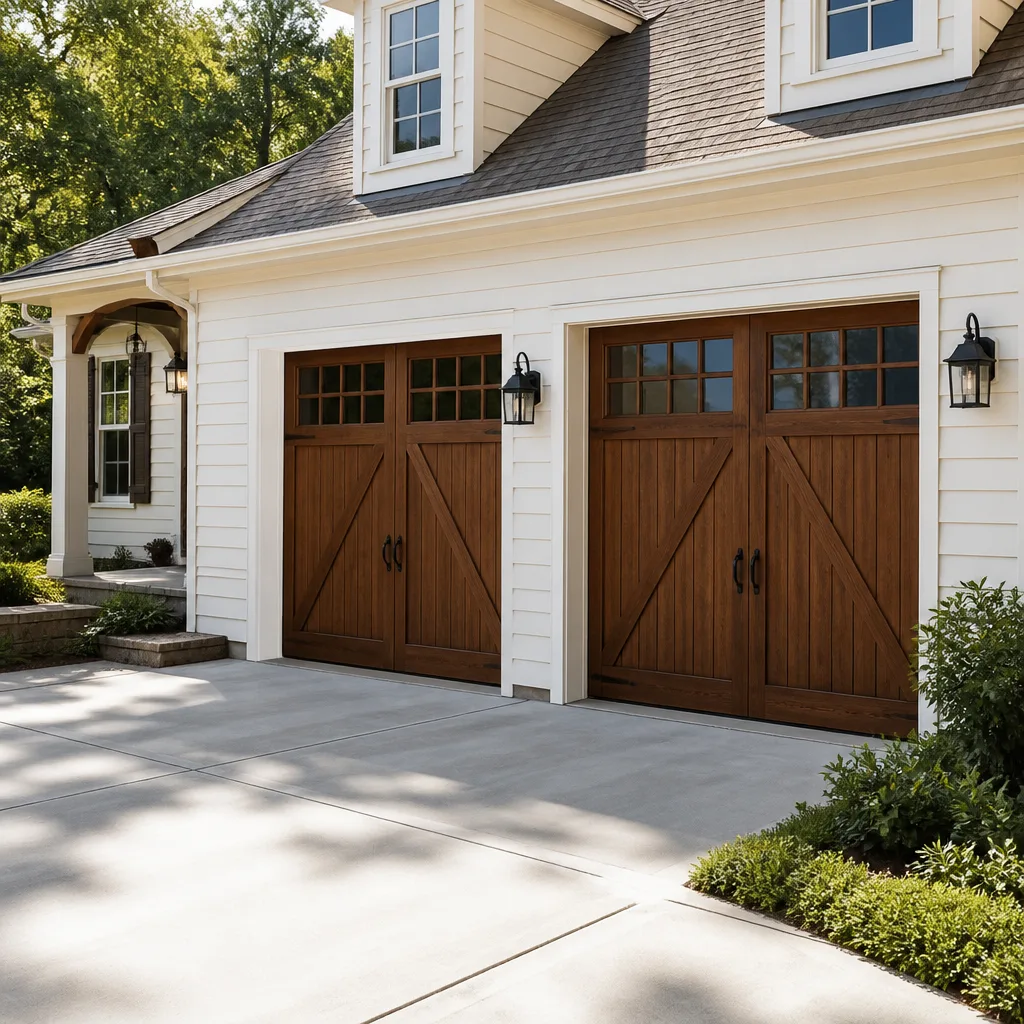 Carriage house
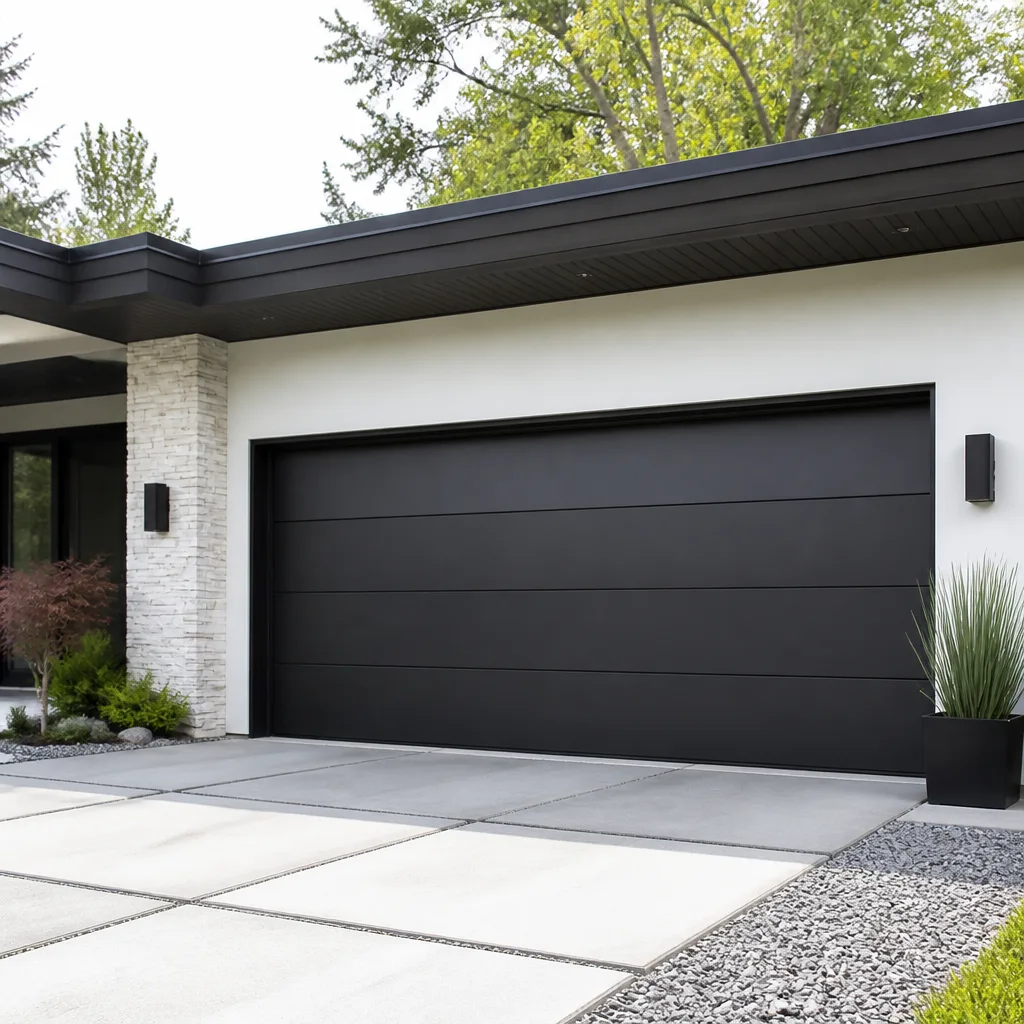 Modern flush
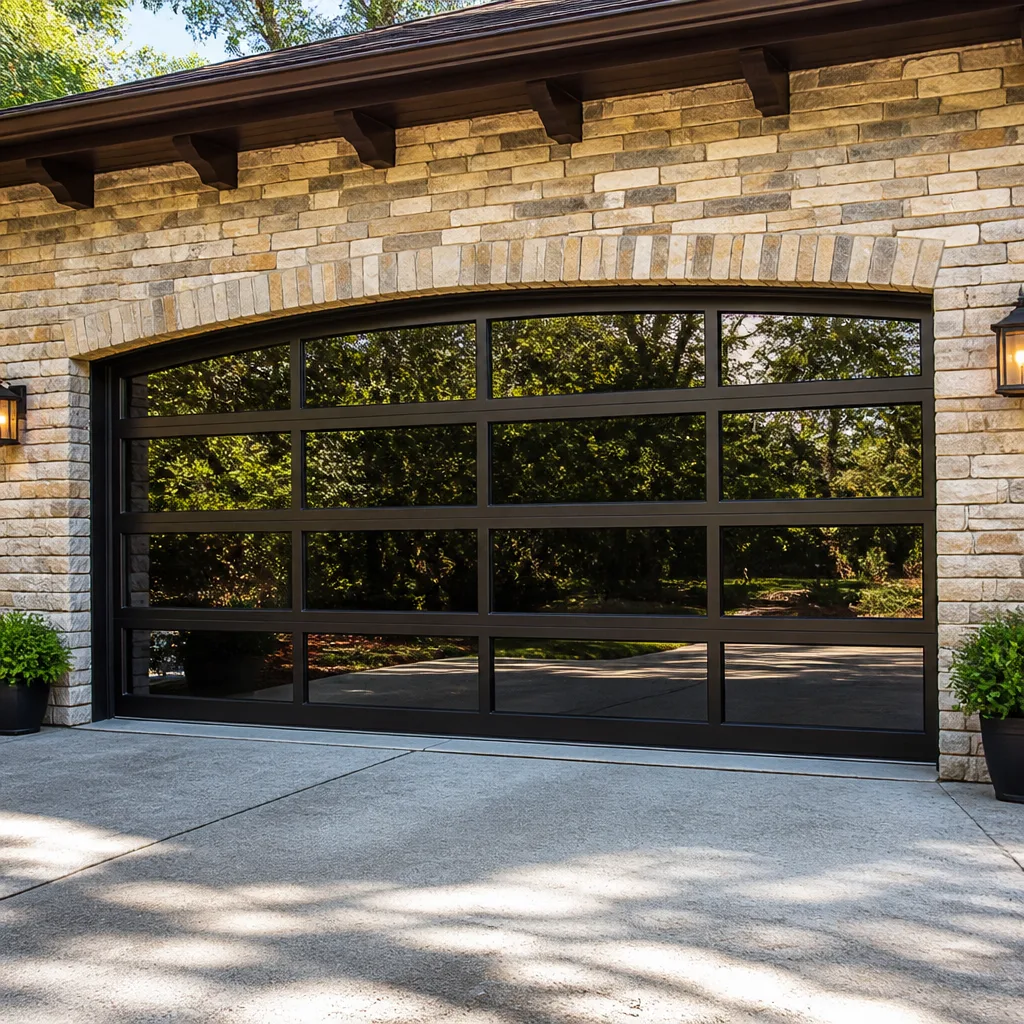 Full-view glass
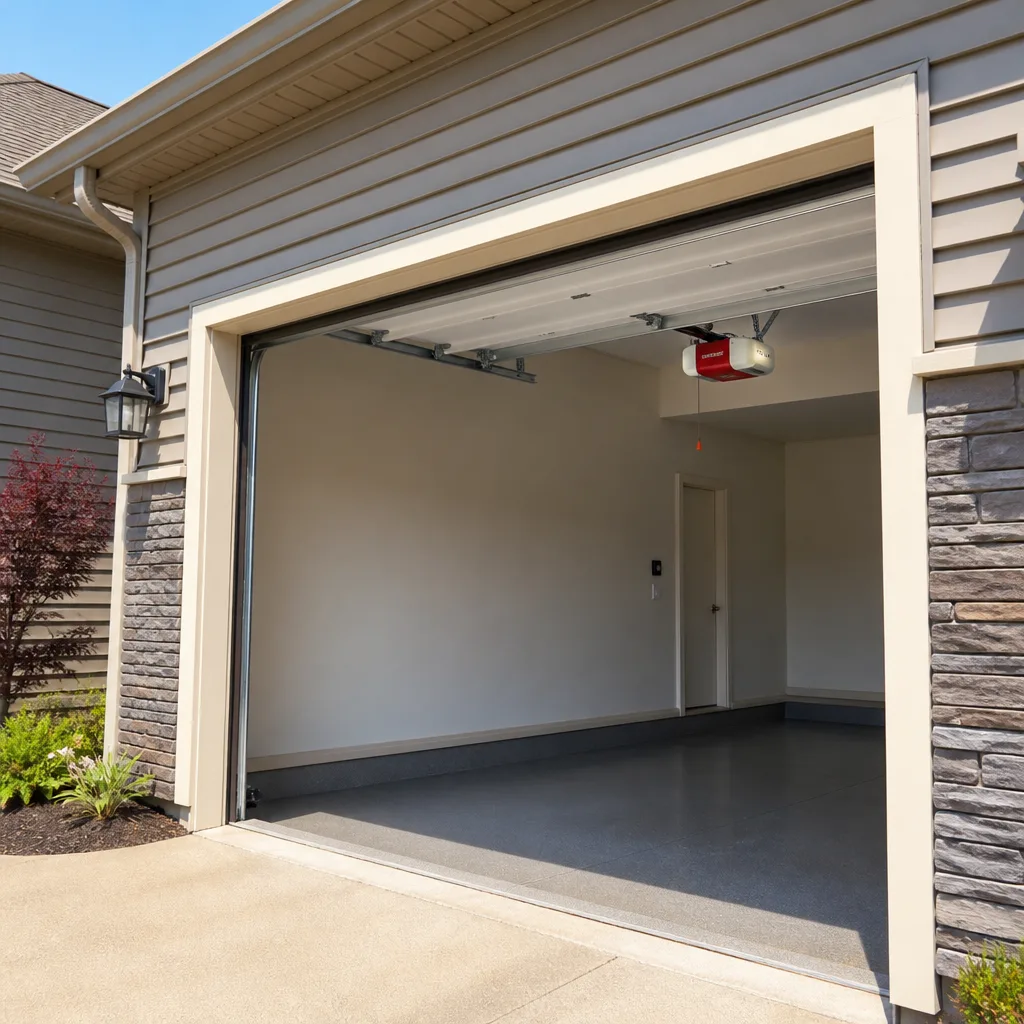 LiftMaster openers
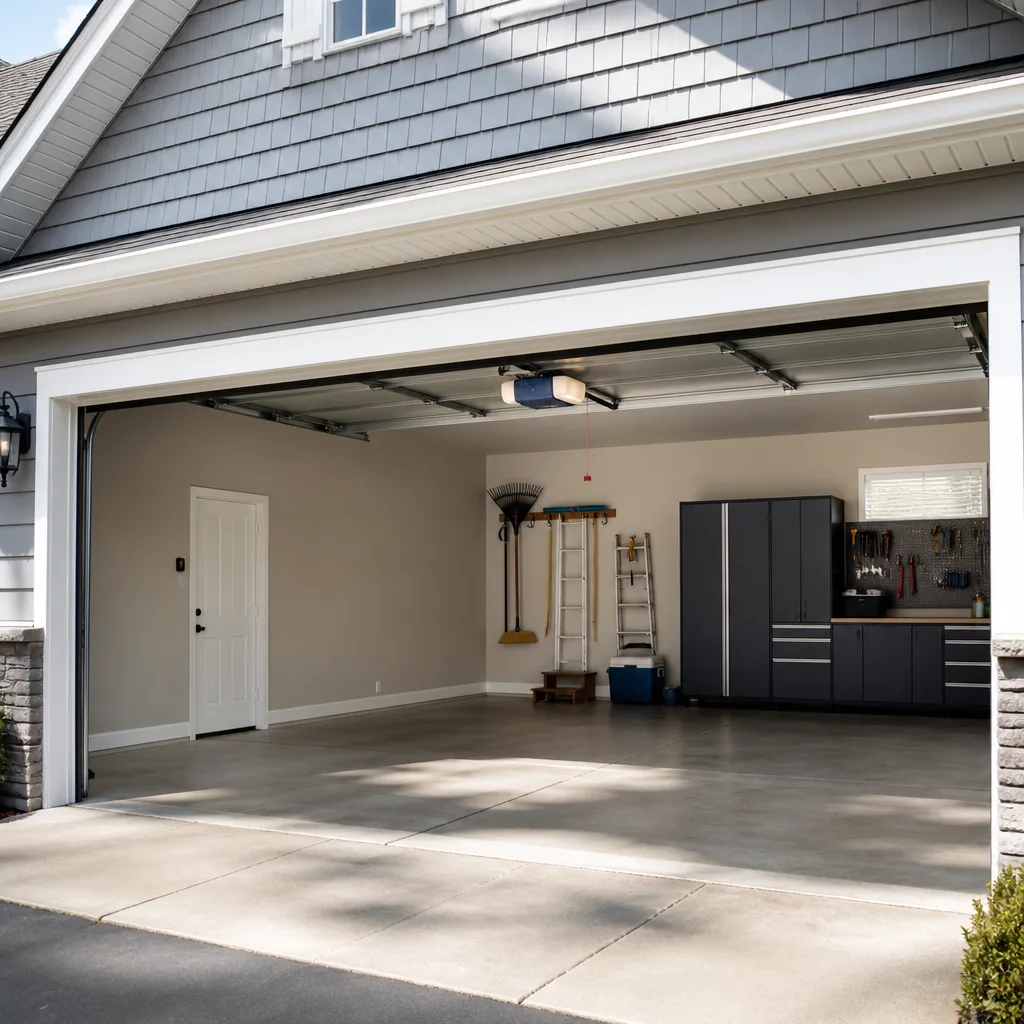 Chamberlain openers
Full 25-point door and opener safety check with every visit - springs, cables, rollers, tracks, and your LiftMaster or Chamberlain opener included
You get a price before we start. It does not change when the truck arrives.
Get your free estimateGarage Door Repair Maintenance Checklist for Fort Myers Homeowners
Most maintenance checklists you’ll find online are copied straight from manufacturer PDFs written in Ohio or Michigan. They tell you to lubricate the springs first and check the weather seal last. But technicians working in Fort Myers find corroded bottom brackets and seized roller stems far more often than worn springs, and the order you check things matters as much as checking them at all. This guide is sequenced by the actual failure order we see in Southwest Florida homes, where salt air, humidity, and hurricane season create stress patterns that generic checklists simply ignore. By the end, you’ll know exactly what to inspect, what to log, and when to stop and call our Garage Door Repair services team.
Quick Answer
A proper garage door maintenance checklist for Fort Myers homes starts with the bottom brackets and roller stems (the most common local failure points due to salt and humidity), moves to the cables and springs, then the opener’s force settings, and finishes with the weather seal and track alignment. Most homeowners should perform a visual inspection every 3 months, lubricate moving parts every 6 months with a silicone-based product, and schedule a full professional tune-up once a year before hurricane season, or browse more guides & resources for DIY tips. Skipping the bottom bracket check is the single most costly mistake we see in Lee County.
Styles & brands we work with
Table of Contents
- The Fort Myers Failure Order: What Actually Breaks First
- Lubrication in Salt Air: The Right Products and Intervals
- Testing Hurricane-Rated Door Integrity Before Storm Season
- What to Log After Every Maintenance Pass
- Six Items That Void Garage Door Warranties If Skipped
- A Seasonal Maintenance Schedule for Fort Myers
- Brand-Specific Notes: What We See on Genie, Clopay, Amarr, and Wayne Dalton
- Common Mistakes to Avoid
The Fort Myers Failure Order: What Actually Breaks First
Every region has its own failure sequence. In dry climates, springs fatigue first. In cold climates, opener gears strip. In Fort Myers, the order is different, and understanding it will save you from checking the wrong things while the right things corrode quietly.
Here is the sequence we see in Southwest Florida, from most common to least:
- Bottom brackets and their mounting bolts. These sit inches from the slab, where salt-laden humidity pools. We regularly replace bottom brackets on doors less than 8 years old in Fort Myers. The bolts rust, the bracket itself develops stress cracks, and the door starts to hang unevenly. On some Clopay and Amarr models, the bottom bracket is also the cable anchor point, which means a bracket failure becomes a cable failure within weeks.
- Roller stems and hinges. The stem is the thin metal shaft that holds the wheel. In humid air, unsealed stems rust and seize inside the hinge barrel. The roller stops rolling and starts sliding, which grinds a flat spot into the wheel and scores the track. We see this on doors across every brand, but it is especially common on older Wayne Dalton systems with non-sealed rollers.
- Weather seal along the bottom. Fort Myers gets intense afternoon sun and frequent rain. The rubber strip on the bottom of your door takes both. Once it cracks or shrinks, water wicks up into the door section, and you get rust blooming from the inside of the panel. This is the leading cause of premature panel replacement in Lee County.
- Torsion spring corrosion. Springs do fail here, but usually because surface rust has created a stress riser, not because the spring simply wore out from cycles. A rusted spring is a time bomb, not a tired part. This is why spring inspection is about looking for oxidation, not counting cycles.
- Opener force settings drifting. Genie and LiftMaster openers have adjustable force sensitivity. In humid conditions, door weight shifts slightly as the wood or composite sections absorb moisture. An opener set too sensitive will reverse mid-cycle. One set too aggressive will grind the gear. Most Fort Myers homeowners never touch these settings after installation, which is a mistake.
- Track bolts loosening. Concrete slabs in Florida settle. When the slab shifts even a quarter inch, the vertical tracks lean. Bolts that were tight at installation work loose over 2-3 years. Checking them takes 90 seconds and prevents a derailed door.
If you only remember one sentence from this guide, make it this: check the bottom brackets before you check anything else. In ten years of working on Fort Myers doors, we have never once been called to a home where the springs were corroded but the bottom brackets were perfect. The bottom of the door is where coastal Florida does its damage.
For a more detailed look at what a full inspection covers, see our guide on Garage Door Repair in Fort Myers.
Lubrication in Salt Air: The Right Products and Intervals
Lubricating a garage door in Fort Myers is not the same as lubricating one in Orlando or Tampa. The salt content in the air near the Caloosahatchee and the Gulf changes how lubricants behave, and using the wrong product actively accelerates corrosion. The most common mistake we see is homeowners spraying WD-40 on every moving part and believing they have done maintenance. WD-40 is a solvent and water displacer, not a lubricant. It strips whatever protective film was there and leaves bare metal exposed to humid air. In a Fort Myers garage, that means surface rust within weeks.
Use a silicone-based or lithium-based lubricant specifically formulated for garage doors. Silicone is ideal for nylon rollers, hinges, and the weather seal channel. White lithium grease works better on metal-to-metal contact points like the torsion spring coils and the opener rail. Avoid petroleum-based products entirely; they gum up in heat and attract salt and sand.
Exact Lubrication Points, In Order
- Hinge barrels – one drop at each pivot point, all 10 to 14 hinges. Open the door halfway first so the hinges are under tension and the lubricant penetrates the joint.
- Roller stems – one drop on the stem where it enters the hinge. If the roller has a sealed bearing, do not lubricate the wheel itself; adding oil to a sealed bearing destroys the seal and lets salt air in.
- Torsion spring coils – a light coat along the top of the spring only, never the bottom. The top is where the coils separate and where rust starts.
- Opener rail – a thin bead on the rail where the trolley rides, then run the opener once to spread it.
- Weather seal – wipe it down with silicone spray on a rag, then wipe the excess off. This keeps the rubber supple and prevents it from bonding to the slab in summer heat.
How Often in Fort Myers Specifically
Every 4 to 6 months. That is more often than most manufacturer manuals suggest, but those manuals do not account for a garage that sits 8 miles from salt water with 80% average humidity. If your garage faces west and bakes in afternoon sun, lean toward every 4 months. If it is shaded and you are inland near Lehigh Acres or Gateway, every 6 months is sufficient.
Testing Hurricane-Rated Door Integrity Before Storm Season
Fort Myers building code requires garage doors to meet specific wind-load ratings, but a hurricane-rated door is only as strong as its installation and its current condition. The time to test your door is now, not when a named storm is 72 hours out and every technician in Lee County is booked solid. Here is how to check the structural integrity of your hurricane-rated door at home.
The Pre-Season Structural Test (Do This Every May)
- Check the sticker. Look on the inside of the door panel for the wind-load certification sticker. It shows the design pressure rating and the installation date. If you cannot find it, you cannot prove your door meets current code, and your insurance company may ask for it after a claim.
- Inspect all struts. Hurricane-rated doors have horizontal reinforcement struts bolted across each section. Look for missing bolts, loose struts, or rust stains running down from the bolt holes. A loose strut is a door that folds under wind pressure.
- Test the track bolts. Grab the vertical track at chest height and pull it away from the wall. It should not move more than an eighth of an inch. Any movement means the lag bolts have loosened or the wall anchors are failing.
- Check the jamb brackets. These are the L-shaped brackets that hold the track to the wall. In Fort Myers homes with concrete block construction, these brackets are often anchored with Tapcons that corrode over time. Look for rust weeping from the screw heads.
- Close the door and press the center. Stand inside the garage and push firmly against the center of the closed door with both hands. The door should not flex more than an inch. More than that suggests the sections have delaminated or the struts are not doing their job. This is common on doors that took water during Hurricane Ian.
If anything fails this test, do not wait. A door that flexes in May will fail in September. For homeowners in Fort Myers who want a professional assessment before storm season, we offer full hurricane-readiness inspections as part of our standard service. See Garage Door Installation in Fort Myers for more on code-compliant reinforcement.
What to Log After Every Maintenance Pass
Keeping a maintenance log is the single most underrated thing a Fort Myers homeowner can do for their garage door. Here is why it matters: when a technician arrives to diagnose a problem, they are working from what they can see in that moment. A log shows them what changed and when, which turns a 45-minute diagnosis into a 10-minute one. It also protects you if a warranty claim ever comes up.
You do not need anything fancy. A spiral notebook in the garage or a note on your phone works. What matters is that you record:
- Date of inspection and who did it (you or a professional)
- Lubrication date and what product you used
- Any sound changes – a new squeak, a grinding noise, a rattle that was not there before
- Any visual changes – rust spots, cracked weather seal, a roller that wobbles
- Opener behavior – did it reverse unexpectedly, run slower than usual, or make a different sound
- Battery replacements in remotes and keypads
- Storm events – if your garage took water or the door was hit by flying debris, write it down with the date
The log does more than help a technician. It creates a paper trail that proves you performed maintenance, which matters if a warranty claim hinges on whether you neglected the door. Companies like Clopay and Amarr have warranty language that requires “proper maintenance,” and a log is how you prove you did it. When you call a company like Diamond Garage Door Co for a repair, a log lets us zero in on the root cause in minutes instead of playing detective. That means a faster repair and a smaller bill for you.
Six Items That Void Garage Door Warranties If Skipped
Every major garage door manufacturer includes maintenance requirements in their warranty language. Most homeowners never read it, and then they are surprised when a warranty claim is denied. Here are the six items that most commonly void warranties, and how to prove you did not skip them.
- Lubrication of moving parts. Clopay, Amarr, and Wayne Dalton all require periodic lubrication as a condition of the warranty. If a hinge seizes and the door bends because it was never lubricated, the claim is denied. Log every lubrication with the date and product.
- Weather seal replacement. A torn bottom seal allows water into the door section, which causes rust and delamination. If the manufacturer determines water damage came from a neglected seal, panel replacement is on you. Inspect the seal monthly and replace it when it shows cracking.
- Track alignment checks. A door that runs out of alignment puts uneven pressure on the sections, the hinges, and the opener. Manufacturers expect you to notice this. If you keep running a door that scrapes or binds, you are operating the door outside normal use. A quarterly visual track check takes 60 seconds.
- Opener force adjustment. Running an opener with too much force is considered misuse. If you have a Genie or LiftMaster opener and the door slams to the floor when you close it, the force is set too high. This will tear the gear or bend the door, and the manufacturer will call it operator error.
- Spring inspection. Torsion springs have a visual inspection requirement in most warranties. If a spring snaps and the warranty claim shows the spring was rusted through, the claim is denied because rust is visible and preventable. Surface rust should be cleaned and the spring recoated or replaced before it becomes structural.
- Documentation. This is the one that surprises people. Some manufacturers require proof of maintenance to honor a claim. If you cannot show a log or receipts from a professional service company, the claim may be denied even if you actually did the work. Your log is the evidence.
If you are not sure whether your door is still under warranty, or whether your maintenance routine satisfies the manufacturer’s requirements, give us a call. We can tell you what your specific brand requires and whether your current condition puts a future claim at risk.
A Seasonal Maintenance Schedule for Fort Myers
Fort Myers does not have four seasons in the traditional sense. We have two: the dry season from November to April, and the wet season from May to October. Hurricane season runs from June 1 through November 30, with peak activity between mid-August and late October. Your garage door maintenance schedule should follow this rhythm.
January to February (Cool, Dry – Ideal for Major Service)
This is the best time of year for a full tune-up. The air is drier, parts are not actively corroding, and you are months away from storm pressure. Book a professional inspection now, replace any rusted hardware, and do a full lubrication that will carry you into spring. If you have been putting off a spring replacement or a track realignment, this is the window.
March to April (Pre-Season Prep)
Complete your hurricane-readiness test from the section above. Replace the bottom weather seal if it shows any cracking. Check the opener’s force settings and test the auto-reverse function with a 2×4 laid flat under the door. If the door does not reverse immediately on contact, the opener needs adjustment. This is also the time to replace remote and keypad batteries.
May to June (Wet Season Begins)
The daily thunderstorms start. Water pools at the slab, and the bottom brackets are now sitting in standing moisture after every storm. Do a visual check of the bottom brackets and bolts monthly during this period. Lubricate hinge barrels and roller stems. If you notice any rust bloom on the springs, clean it with a wire brush and recoat with lithium grease.
July to October (Peak Storm and Heat)
The door is under maximum environmental stress. Heat expands the metal, humidity swells the sections, and storms threaten. Listen for any new sounds. A grinding noise in August is a roller seizing. A creak in the spring is rust forming a stress riser. If you hear either, do not wait. For opener issues, see our dedicated Garage Door Opener Repair in Fort Myers page.
November to December (Post-Season Recovery)
After hurricane season ends, do a full post-season inspection. Look for water intrusion signs, rust that appeared during the wet months, and any track movement from slab settling or wind pressure. This is also when many Fort Myers homeowners schedule a professional tune-up before the holiday season, when garages see heavier use.
Brand-Specific Notes: What We See on Genie, Clopay, Amarr, and Wayne Dalton
The maintenance principles are the same across brands, but each manufacturer has quirks, and knowing yours saves time and money. Here is what we see on the four brands most common in Fort Myers garages.
Genie Openers
Genie has been a dominant brand in Florida for decades, and older Genie screw-drive and chain-drive models are everywhere in Fort Myers. The most common issue is the force setting drifting from its installation calibration. On Genie units from before 2015, the limit switches are mechanical and wear down over time, causing the door to stop short or overtravel. If your Genie opener reverses mid-cycle or does not open fully, the fix may be a simple limit adjustment, not a new opener. Newer Genie models with battery backup need that battery tested every spring; a dead backup battery is a common discovery when the power goes out during a summer storm and the door will not move.
Clopay Doors
Clopay makes steel doors in a range of insulation levels, and Fort Myers homes tend toward the insulated models for hurricane resistance. The weak point on Clopay doors here is the bottom bracket design on the series used in coastal installations. The bracket is heavy-gauge steel but the mounting bolts are not stainless on all models, and in salt air they rust within 5 years. On Clopay doors, check the bottom bracket bolts every 6 months. If you see rust, replace the bolts with stainless before the bracket fails.
Amarr Doors
On Amarr doors, the section joints are where Fort Myers conditions show up. Amarr uses a tongue-and-groove section design with a thermal break, and when the door is exposed to high humidity for years, the sections can absorb enough moisture that the joint seals start to separate. This shows up as light visible through the section joints or a door that feels heavier than it used to. Amarr doors benefit from keeping the weather seal in top condition, since most moisture intrusion comes from the bottom.
Wayne Dalton Doors
Wayne Dalton is common in older Fort Myers homes, particularly the models with the torquemaster spring system mounted inside the tube above the door. That enclosed spring design is hard to inspect visually, which means rust can develop unseen for years until the spring fails. If you have a Wayne Dalton door with a torquemaster system, it needs a professional inspection at least once a year, because the failure mode is not visible to a homeowner standing in the driveway. For more on what a professional inspection covers, see our Diamond Garage Door Co home page.
Common Mistakes to Avoid
- Using WD-40 as a garage door lubricant. It is a solvent and water displacer, not a lubricant. In Fort Myers humidity, it strips protective oil and leaves bare metal to rust within weeks. Use silicone or lithium products.
- Checking the springs first and ignoring the bottom brackets. Springs fail in dry climates. In Salt air, the bottom brackets go first. If you only have 10 minutes, check the brackets, bolts, and roller stems.
- Lubricating sealed roller bearings. Many newer doors have sealed bearing rollers, and adding oil to the outside destroys the seal. Only the stem needs lubrication on sealed rollers.
- Ignoring new sounds for weeks. A squeak in Fort Myers is rust forming. A grinding noise is a seized roller. Sounds do not fix themselves in this climate; they get worse, and the repair gets more expensive.
- Buying a new opener when the limit switches need adjusting. Opener problems are often calibration issues, not electrical failures. Before you replace a Genie or LiftMaster unit, see if the force and limit settings are the real problem.
- Doing major spring work without proper tools. Torsion springs are under tremendous tension. Attempting to adjust or replace one without winding bars and the right training is dangerous. If you are not sure what you are doing, call a professional.
- Waiting until a storm is forecast to schedule hurricane checks. By the time a named storm is in the Gulf, every garage door company in Fort Myers is booked solid. Do your inspection in May.
See the difference
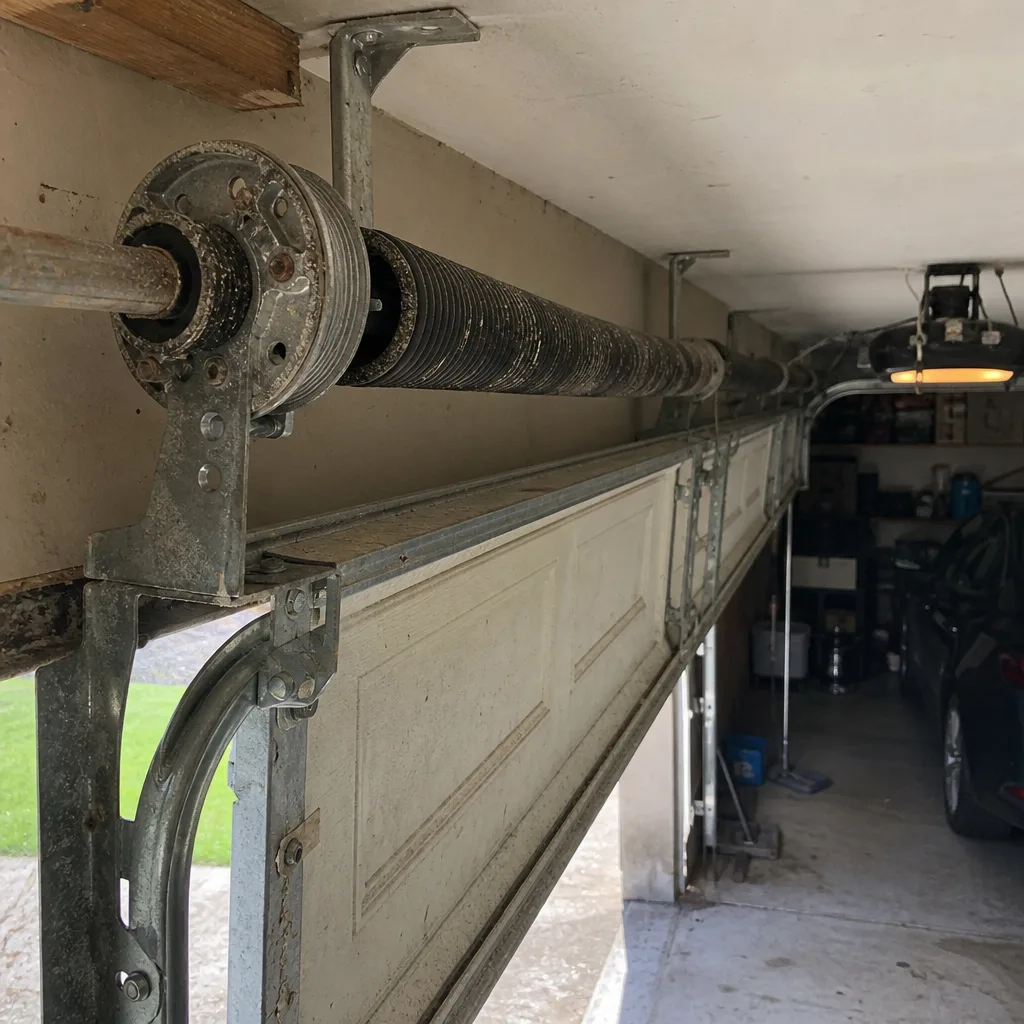 Before
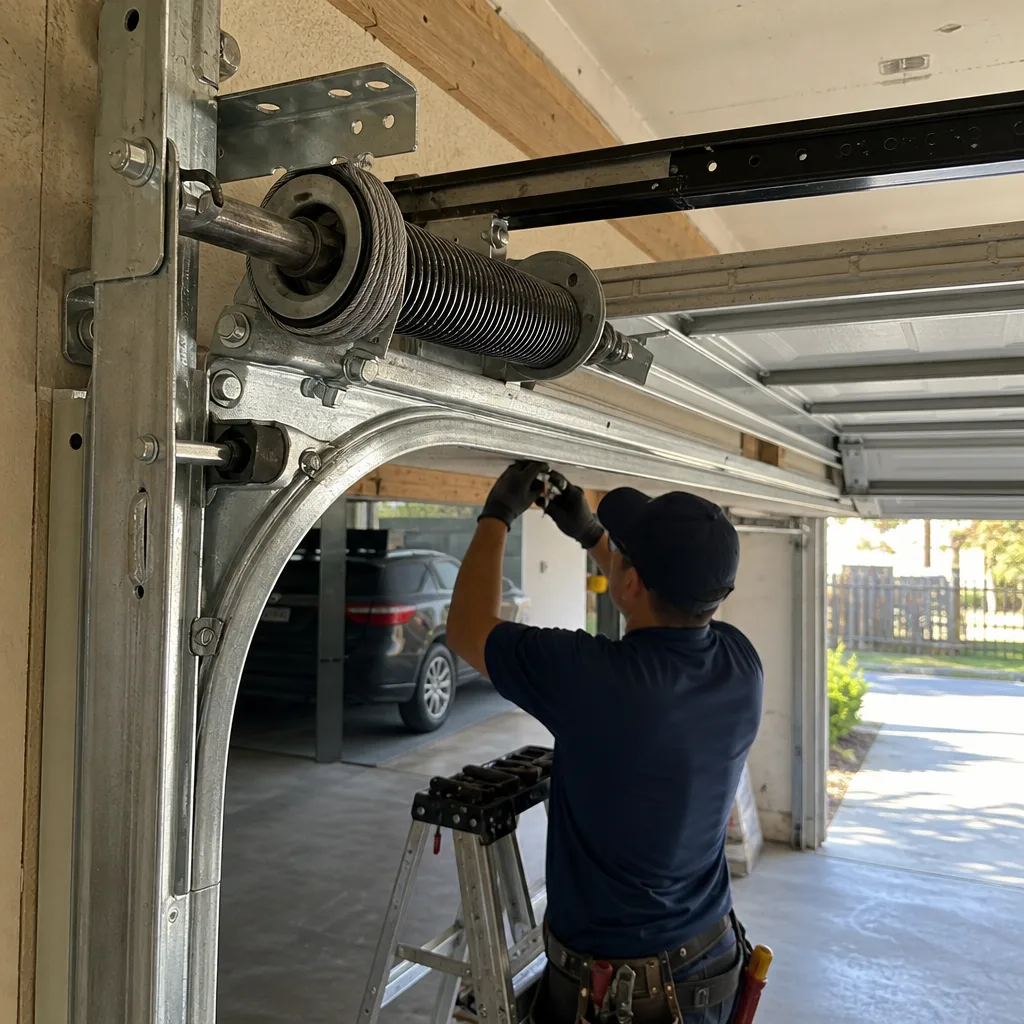 After
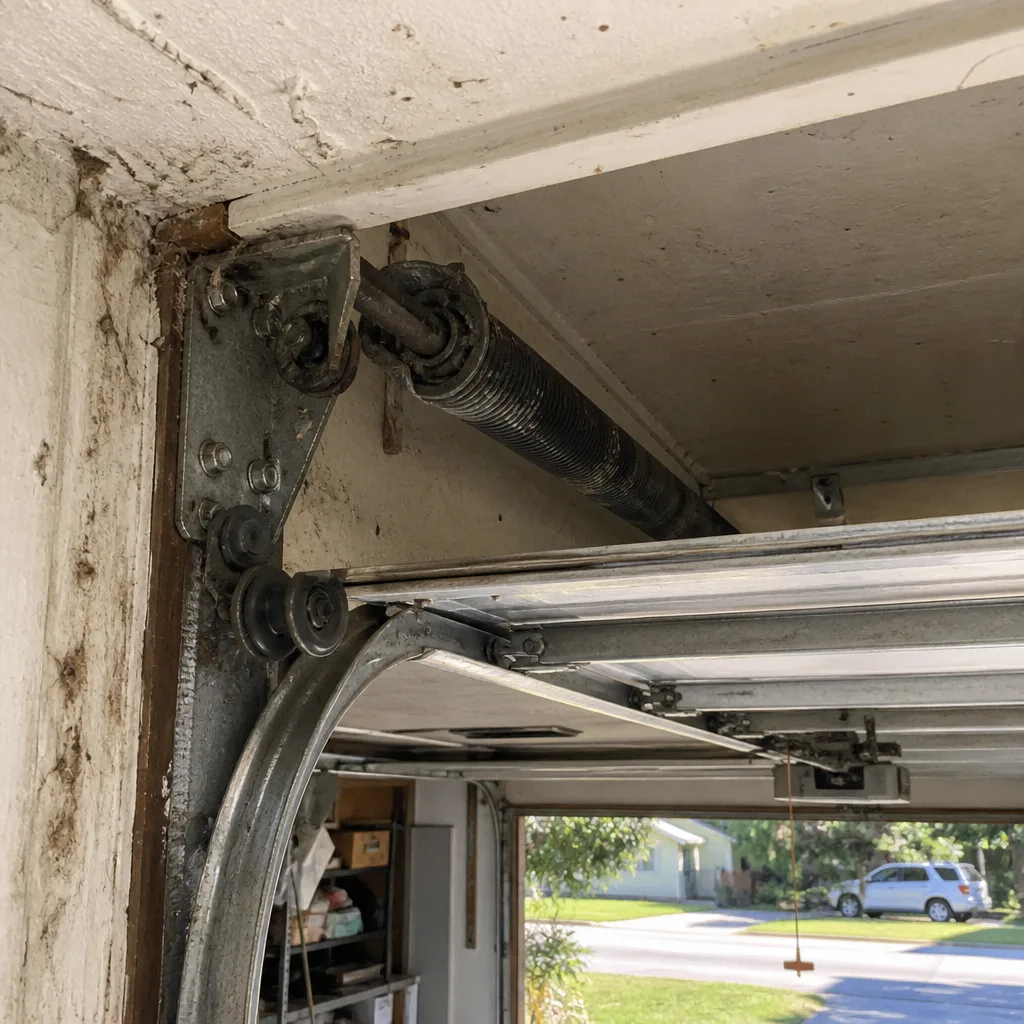 Before
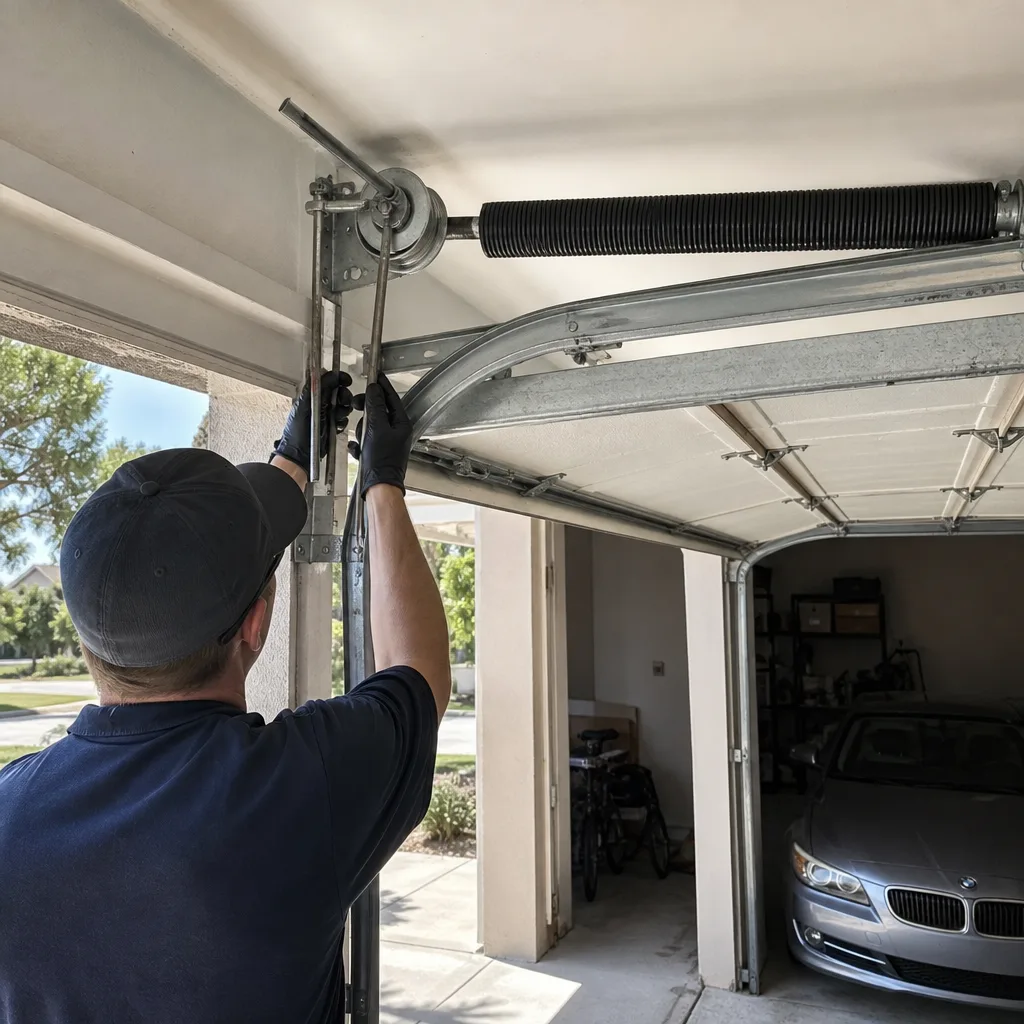 After
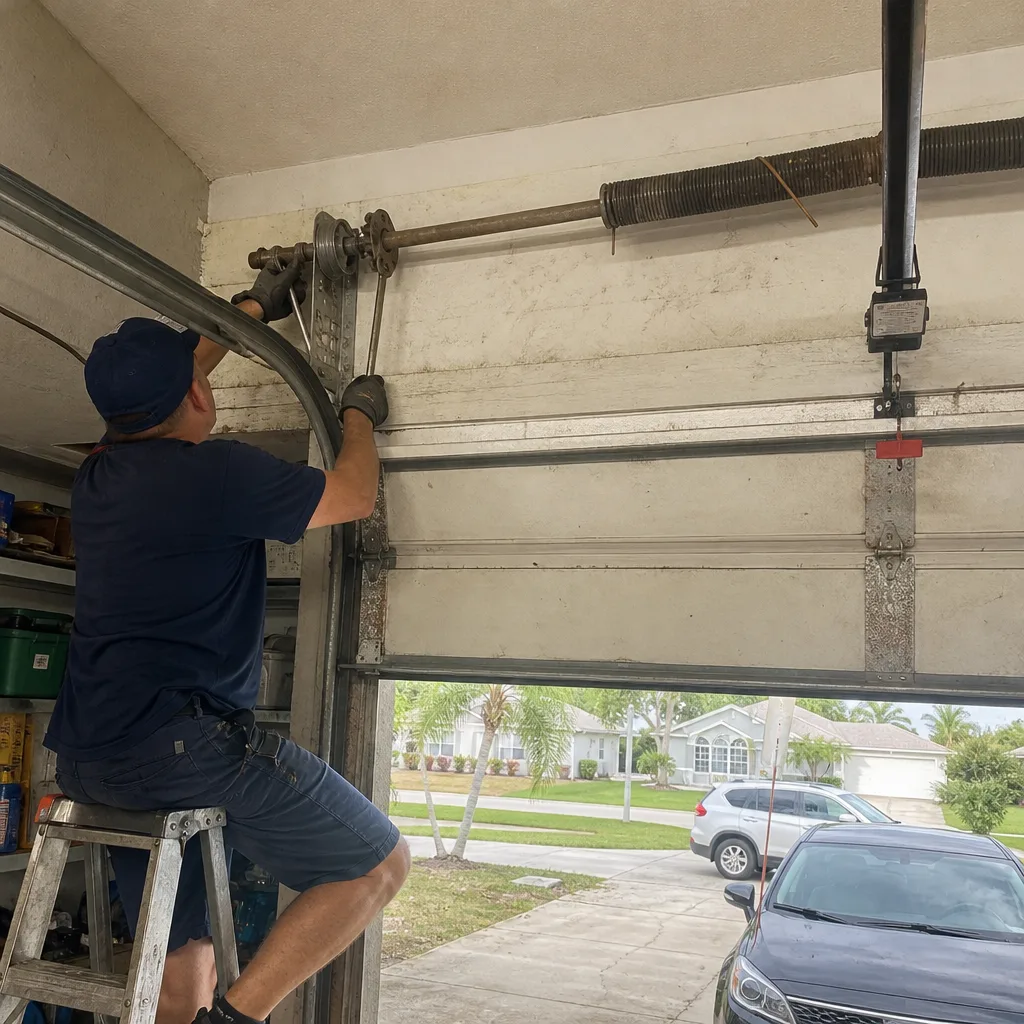 Before
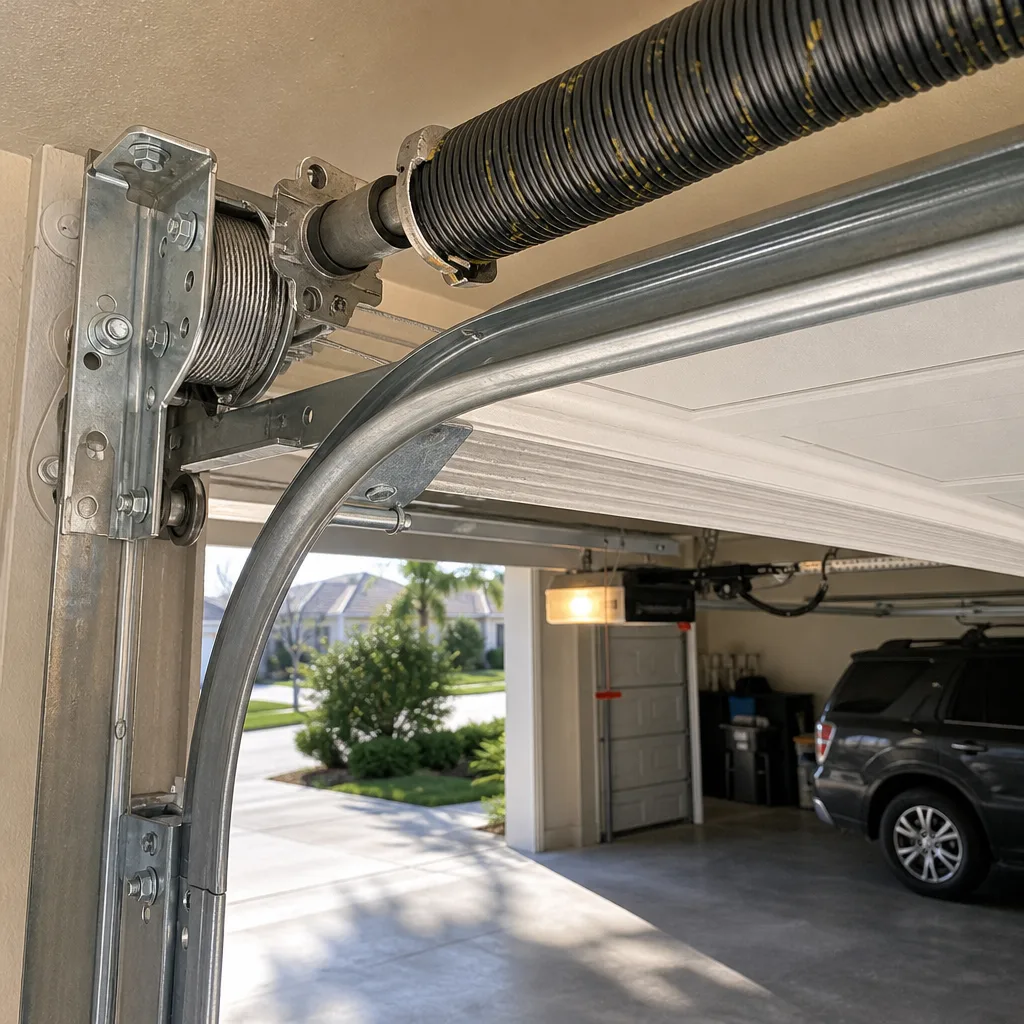 After
When to Call a Professional
Some maintenance tasks are safe for homeowners. Lubrication, visual inspection, weather seal replacement, and log-keeping are all doable. But some things are not, and knowing the difference is the difference between a $100 tune-up and a $2,000 repair. Call a professional if the torsion spring is rusted or shows uneven gaps between coils, if the door binds or scrapes during travel, if the opener reverses unpredictably, and if you cannot identify a new noise after a visual inspection. Do not attempt to adjust or replace torsion springs yourself; they are under enough tension to cause serious injury. Diamond Garage Door Co offers free estimates in Fort Myers, and we work on whatever brand you already have, including Genie, Clopay, Amarr, and Wayne Dalton. Call (866) 472-5684.
Frequently Asked Questions
Every 4 to 6 months, depending on how close to salt water you live and how much afternoon sun your garage takes. Use a silicone-based product on hinges, roller stems, and the weather seal, and a lithium product on the spring and opener rail. Call (866) 472-5684 if you want a professional lubrication done during a full tune-up; estimates are free.
Yes. Fort Myers building code requires garage doors to meet specific wind-load standards, and your insurance policy may require documentation of that rating. Check the certification sticker on the inside of your door panel and keep a record of it. If the sticker is missing or unreadable, a professional can help you determine your door’s rating and whether it meets current code.
The most common repair we see in Fort Myers is not the spring; it is the bottom bracket. Salt and humidity corrode the bolts and the bracket itself, which leads to cable problems and door misalignment. Check your bottom brackets every 3 months. If you see rust or cracking, see our Garage Door Repair Troubleshooting: Common Problems and How to Fix Them or call (866) 472-5684 before it becomes a bigger problem.
Look for surface rust, gaps between coils, and a visible separation line in the coil. If the spring shows any of these signs, or if the door feels heavier than it used to when you lift it manually, the springs are failing. Do not try to replace them yourself; torsion springs require special tools and training. Call (866) 472-5684 for a free estimate.
Yes, most of it. Visual inspections, lubrication, weather seal replacement, and log-keeping are safe for homeowners. What you should not do is adjust torsion springs, work on cables under tension, or attempt any repair that involves removing the spring assembly. Those are the jobs where homeowners in Fort Myers get hurt every year.
Yes. Manufacturers including Clopay and Amarr require proof of maintenance in some warranty claims, and a dated log with lubrication and inspection records is the documentation that satisfies them. It also helps a technician diagnose problems faster when you call for a repair, which means lower labor costs for you.
The Bottom Line
Garage door maintenance in Fort Myers is not about following a generic checklist. It is about understanding what this specific climate does to hardware and checking the parts that actually fail first. Check your bottom brackets before your springs. Use the right lubricant, not whatever is on the shelf. Test your hurricane-rated door in May, not September. Keep a log, because it protects your warranty and speeds up diagnosis. And when something is beyond your skill level, call a professional. A garage door is the largest moving piece of your home, and in Fort Myers, it is also your first line of defense against the weather. Treat it that way.
Written by the team at Diamond Garage Door Co, serving Fort Myers since 2016.