

Last updated October 31, 2026
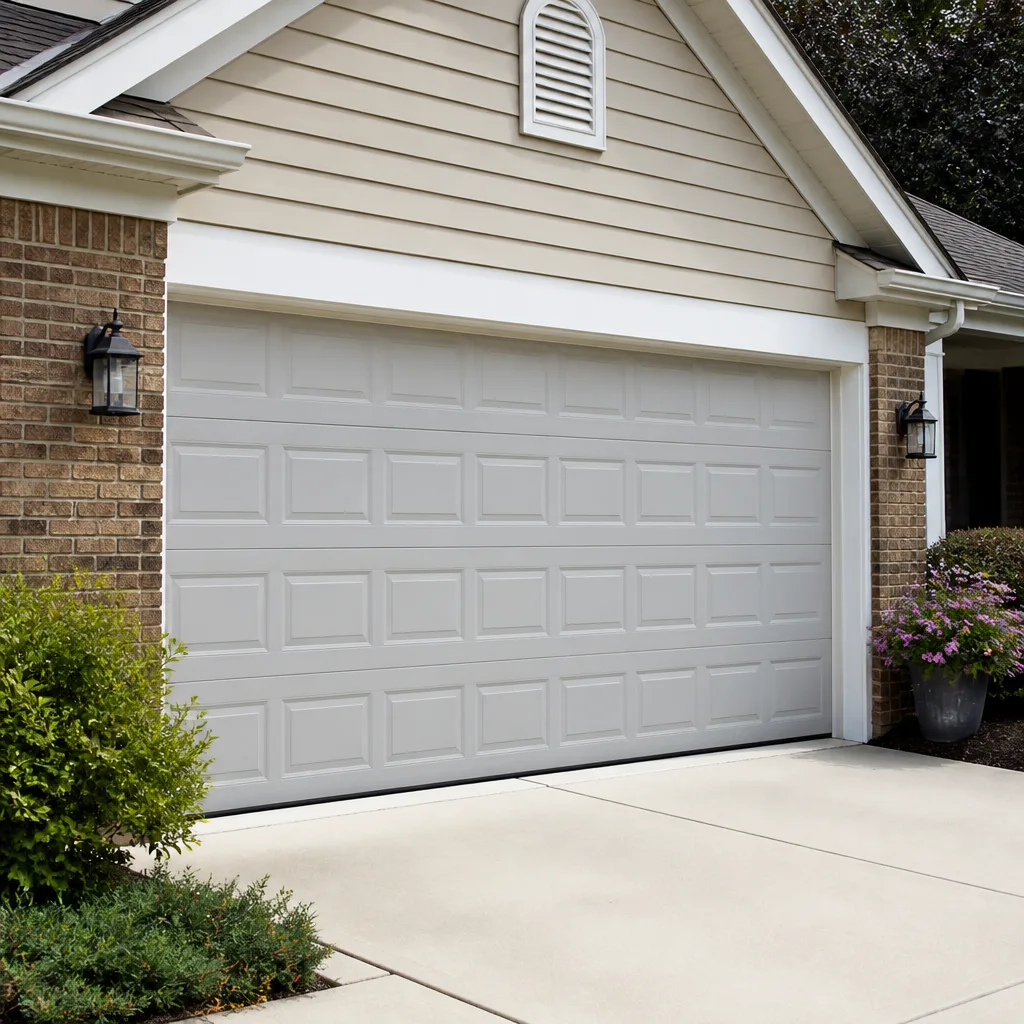 Raised-panel steel
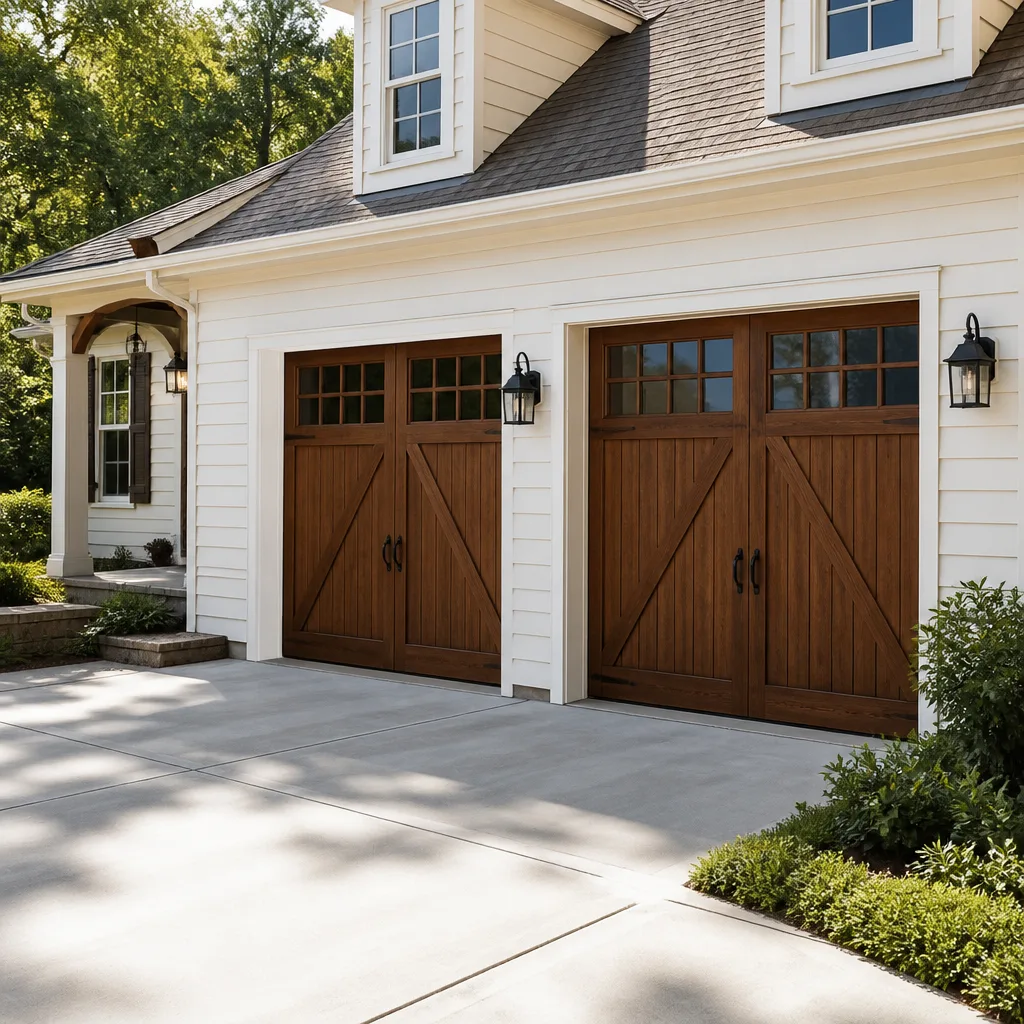 Carriage house
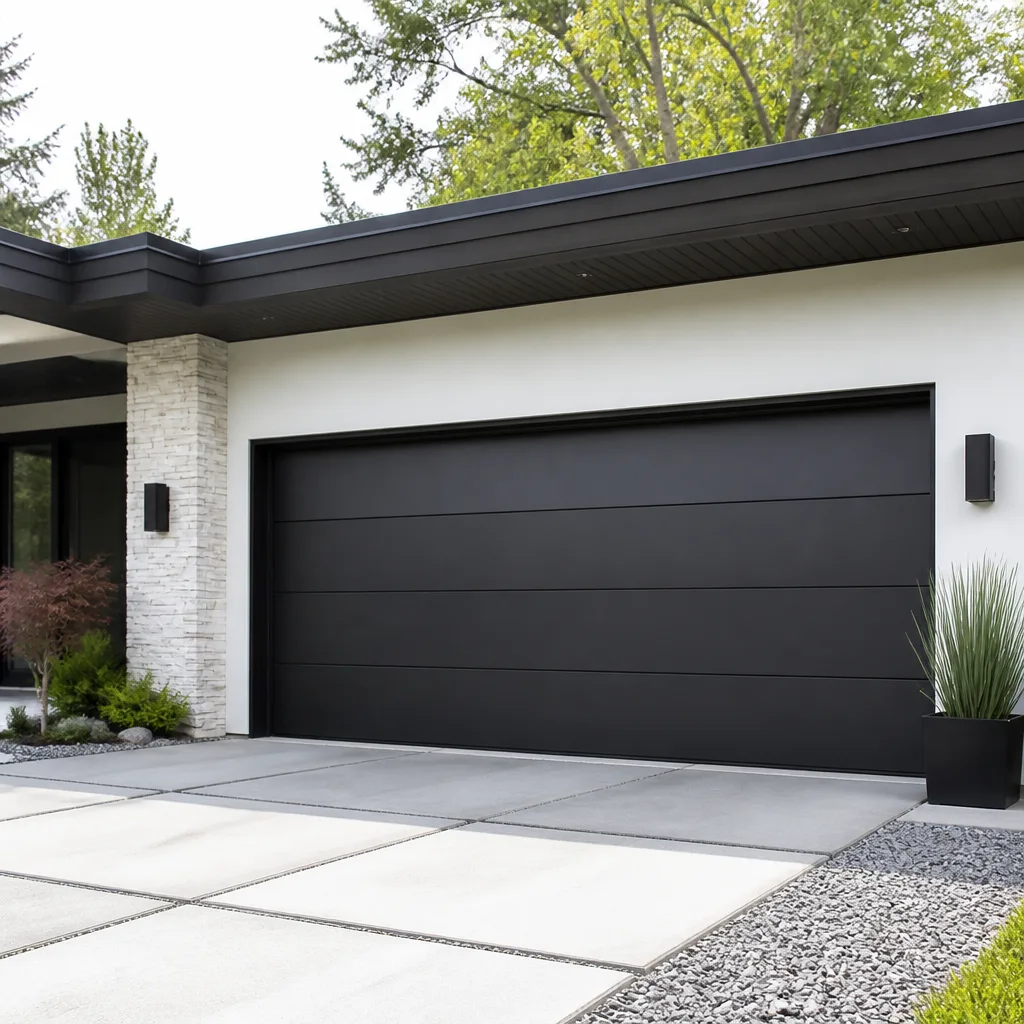 Modern flush
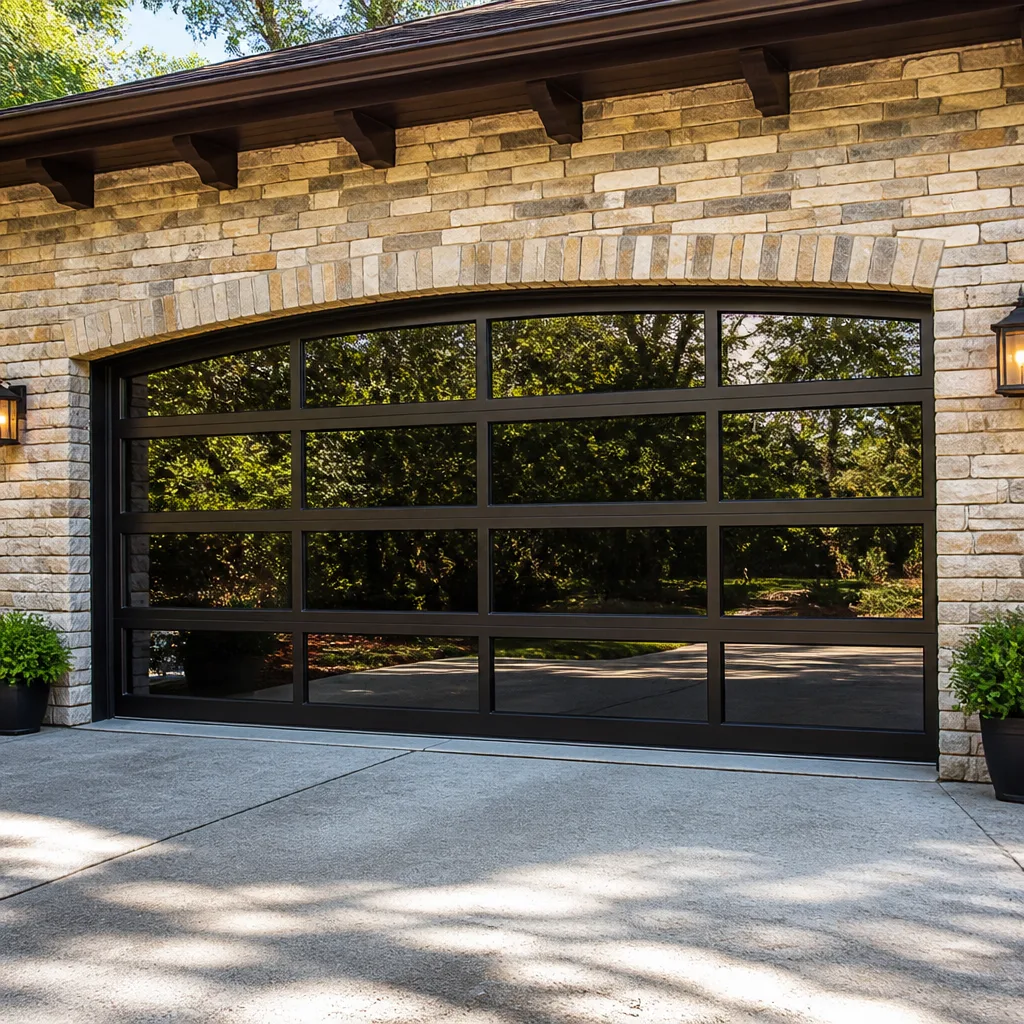 Full-view glass
 LiftMaster openers
 Chamberlain openers
Full 25-point door and opener safety check with every visit - springs, cables, rollers, tracks, and your LiftMaster or Chamberlain opener included
You get a price before we start. It does not change when the truck arrives.
Get your free estimateGarage Door Emergency Preparedness Guide for Fort Myers Homes
In Fort Myers, the garage door is the largest moving object in your home, and it’s also the one most likely to fail at the worst possible moment. The night before Hurricane Ian made landfall, Lee County residents discovered something unsettling: a garage door that won’t open isn’t a minor annoyance when you’re trying to get your car out and evacuate. This guide covers the emergency procedures that matter most for Fort Myers homes, from the 30-second manual release nobody practices to securing a door that refuses to close before a storm hits.
Styles & brands we work with
Quick Answer
A garage door emergency in Fort Myers typically falls into one of three categories: a door that won’t open when you need to leave, a door that won’t close when you need to secure your home, or a safety hazard like a broken torsion spring or an off-track door that could injure someone. The most critical preparation step is learning your opener’s manual release procedure now, not during an evacuation. For genuine safety emergencies, call a technician; for everything else, a systematic assessment—or our Garage Door Repair Troubleshooting: Common Problems and How to Fix Them—will tell you whether the door is safe to operate.
Table of Contents
- Why Garage Door Emergencies Hit Different in Fort Myers
- The Manual Release: The 30-Second Skill That Saves You During an Evacuation
- Securing a Garage Door That Won’t Close Before a Storm
- The Emergency Call Protocol: What Actually Gets You Priority Service
- Safety Emergency vs. Inconvenience: What Can Wait and What Can’t
- Post-Storm Door Assessment: What to Check Before You Power Up
- Preventive Maintenance That Reduces Emergency Risk
- Common Mistakes to Avoid
- When to Call a Professional
- Frequently Asked Questions
- The Bottom Line
Why Garage Door Emergencies Hit Different in Fort Myers
Garage door failures happen everywhere, but the stakes in Fort Myers are higher for reasons that have nothing to do with the door itself. A broken spring in Ohio means your car is stuck in the garage for a day. A broken spring in Fort Myers during hurricane season means you can’t evacuate when Lee County issues a mandatory order, or you can’t secure your home’s largest opening when 120 mph winds are forecast. The climate adds another layer: salt air from the Gulf accelerates corrosion on springs, cables, and opener components. We see torsion springs in coastal Fort Myers neighborhoods like McGregor and Iona that have rusted through years before their rated cycle life because of the marine environment. That means failures happen earlier and more suddenly than homeowners from other regions expect.
The other Fort Myers-specific factor is the age of the housing stock. Homes built during the southwest Florida boom of the 1990s and 2000s are now hitting the 20-to-25-year mark, which is exactly when original garage door springs, cables, and opener gears start giving out. If your door was installed when your house was built and you’ve never replaced the springs, you’re operating on borrowed time. This guide is written from our experience working on garage doors across Fort Myers, from Cape Coral to Estero, and the patterns we see are consistent: emergencies cluster right before storms and right after them.
The Manual Release: The 30-Second Skill That Saves You During an Evacuation
The manual release is the red cord hanging from your opener trolley. Pulling it disconnects the door from the opener so you can lift the door by hand. During Hurricane Ian, reports circulated of homeowners trapped in their garages because their openers had lost power and they didn’t know how to release the door manually. The procedure is simple, but there are brand-specific differences that trip people up under stress. Here’s what you need to know for the three opener brands we service most often in Fort Myers:
LiftMaster and Chamberlain: The Straight-Pull Release
- Confirm the door is fully closed. Never pull the release when the door is open; if a spring is broken, the door can crash down.
- Locate the red cord hanging from the trolley on the opener rail. It’s usually near the motor unit, not near the door.
- Pull the cord straight down and toward the motor unit. You’ll hear a click as the trolley disengages.
- Lift the door by hand from the bottom handle. If it’s heavy or won’t move, do not force it – that indicates a spring problem, and you should call a professional.
Genie: The Pull-Down-and-Back Release
- With the door fully closed, find the red emergency cord hanging from the carriage.
- Pull the cord down and then toward the back of the garage (away from the door). Genie’s carriage mechanism requires this second motion to fully disengage.
- Test by lifting the door slightly. If it feels like it’s still connected, repeat the pull with more deliberate motion.
- When you’re ready to reconnect, pull the cord again while the opener runs, or manually guide the carriage back to the chain or belt.
Craftsman and Wayne Dalton: The Verdict on Reconnection
Craftsman openers, which are manufactured by Chamberlain, use the same straight-pull release as LiftMaster. Wayne Dalton openers have a similar cord mechanism, but the reconnection process can be finicky: you may need to run the opener and let the carriage re-engage automatically rather than pulling the cord again. The key point for all brands: practice the release once a year. In a garage that’s dark because the power is out, you’ll do it correctly if your hands know the motion. Fort Myers thunderstorms knock out power several times a year; that gives you plenty of practice opportunities.
Securing a Garage Door That Won’t Close Before a Storm
Here’s the scenario we hear after every named storm: the power is out, the door is open, and the wind is picking up. You pull the manual release and try to lower the door by hand, but it stops halfway or won’t budge. Maybe a spring broke, maybe a cable slipped off the drum. You need to secure that opening now, not wait for a technician. Lee County’s building code requires wind-rated garage doors on new construction, but that rating only helps if the door is closed and latched. An open garage door during a hurricane pressurizes your home’s interior in a way that can lift the roof. Here’s how to secure a door that won’t close, using materials most Fort Myers homeowners already have:
- Disconnect the opener. Pull the manual release so the door is free from the motor. You don’t want the opener fighting you while you work.
- Attempt a controlled lower. With help from another adult, lower the door slowly by hand. A functioning door and springs will lower smoothly. If it drops suddenly or won’t move, stop and move to step 3.
- Brace the door from the inside. Use 2×4 lumber or heavy metal poles braced against the back of the door and the garage floor. Place braces at the center and at both outside edges. Angle them at 45 degrees so the wind load transfers to the concrete slab, not the hinges.
- Secure the door panels to the track. Use large C-clamps or vice grips on the vertical tracks just above the rollers. This stops the panels from being pulled inward by wind suction. One clamp per side minimum, two per side if the door is double-wide.
- Fill the gaps. If the door is stuck partially open, seal the opening with plywood screwed into the framing. Use 5/8-inch or 3/4-inch plywood if you have it. Gaps let wind in, and wind pressure is what destroys homes.
- Photograph everything. After the storm, your insurance claim for garage door damage will go faster if you have pre-storm photos of the failure and your temporary securing work.
None of this is a substitute for a properly functioning wind-rated door, but it’s far better than an open garage in a Category 3 storm. We’ve seen homes in Fort Myers Beach and Sanibel where the garage door was the point of failure; securing it by any means necessary is the right call.
The Emergency Call Protocol: What Actually Gets You Priority Service
When you call a garage door company in Fort Myers during a storm event or the surge of calls that follows, you’re one of hundreds of homeowners dialing the same number. What you say in the first 30 seconds determines where you land in the queue. Here’s what actually gets you priority service:
- Lead with the specific failure. Say “my torsion spring snapped and the door is stuck halfway open” rather than “my garage door is broken.” Specifics signal to the dispatcher that you know what you’re dealing with, and they can match you with a technician who has the right parts on the truck.
- State whether the door is securing or blocking. A door that won’t close is a security emergency; a door that won’t open is an inconvenience unless you need to leave. Dispatchers triage securing issues first, because an open garage invites theft and storm damage.
- Mention the brand of your door and opener. “I have a Wayne Dalton door with a Genie opener” tells us which parts to bring. We stock parts for Clopay, Amarr, Wayne Dalton, LiftMaster, and the other major brands, and knowing the brand means one trip instead of two.
- Describe the door size. A single-car door (typically 8×7 or 9×7) uses different springs than a double-car door (16×7). If you know the size, say it. If you don’t, a photo from your phone does the same job.
- Ask for an arrival window, not an arrival time. During a surge, any company that promises an exact time is guessing. A window of two to four hours is honest; a 30-minute window is not. Use the time to gather photos and clear the area around the door.
Before you call, write down the following: the brand of your door and opener, the approximate age of the system, what happened (sudden noise, door wouldn’t move, cable came off), and whether the door is open, closed, or stuck in between. This information moves you to the front of the diagnostic process.
Safety Emergency vs. Inconvenience: What Can Wait and What Can’t
Not every garage door problem is an emergency, and knowing the difference saves you money. After a storm, technicians in Fort Myers are stretched thin; we triage calls the same way emergency rooms do. Understanding the categories helps you know whether to push for immediate service or schedule at a normal rate. Here’s how we classify what we see:
Genuine Safety Emergencies: Call Immediately
- Broken torsion spring under load. If one spring snaps while the door is open and the other is still under tension, the door can slam shut. This is dangerous and needs professional attention. Do not attempt to remove the spring yourself; the stored energy in a torsion spring can cause severe injury or death.
- Door off track. If the rollers have left the track, the door could fall. Keep people and pets away from the door and call a technician.
- Cable snapped or frayed while under tension. A loose cable can whip and cause injury. This often accompanies a spring failure.
- Door hanging unevenly. If one side is higher than the other by more than a couple of inches, a cable or spring failure is imminent. Do not operate the door.
Inconveniences That Can Wait Overnight
- Opener runs but door doesn’t move. The manual release may be disengaged, or the opener’s gear is stripped. You can operate the door manually in the meantime. This is annoying but not dangerous.
- Remote or keypad not working. Replace the battery or reprogram. This is a five-minute fix at home.
- Noise during operation. Grinding or squealing usually means worn rollers or a loose chain. It should be addressed, but it doesn’t pose an immediate threat.
- Door reverses before closing completely. This usually means the safety sensors are misaligned or obstructed. Wipe the sensor lenses and check alignment before calling.
If you’re unsure which category your problem falls into, call and describe it. A good dispatcher will tell you whether it’s a priority call or something that can wait for regular scheduling.
Post-Storm Door Assessment: What to Check Before You Power Up
After a named storm passes through Fort Myers, the instinct is to get everything running again as fast as possible. Before you power up your garage door opener, do these checks in order. A door that’s been racked by wind or hit by flying debris can destroy an opener if you force it to run:
- Visual inspection from the inside, door closed. Look at the springs, cables, and rollers. Check for rust-colored dust on the spring, which indicates a failure in progress. Check that cables are on the drums and not frayed.
- Check the track alignment. Look down the vertical tracks from above. They should be straight and parallel. A door that shifted during the storm will show here first.
- Lift the door manually (pull the release first). It should open smoothly and stay about knee-high when released. If it drops, the springs are compromised. If it’s hard to lift, the springs are worn or broken.
- Check the panels for dents or punctures. Small dents are cosmetic. Punctures or cracks that extend through the panel compromise the door’s wind resistance and should be replaced.
- Test the opener with the door disconnected. Run the opener with the door released. It should move smoothly along the rail. If it doesn’t, the opener itself has damage.
- Reconnect and test one full cycle. Watch and listen. Squeaking, hesitation, or uneven movement means something is wrong. Stop and call a professional.
If your door survived the storm but you’re seeing any of the warning signs above, don’t wait until the next storm to address it. The period after a named storm is when we do some of our most important work in Fort Myers: finding the small failures before they become the reason your home is unprotected next time.
Preventive Maintenance That Reduces Emergency Risk
The best emergency is the one that never happens. In Fort Myers, preventive maintenance matters more than in most places because the environment works against your door year-round. Salt air, humidity, and UV exposure degrade springs, cables, rollers, and seals faster than the manufacturer’s average cycle ratings suggest. Here’s what you can do yourself and what you should leave to a technician:
DIY Maintenance: Safe and Effective
- Test the balance twice a year. Pull the release and lift the door by hand. It should feel light and stay put at half-open. If it’s heavy or drops, your springs are near the end of their life.
- Lubricate moving parts every six months. Use a silicone-based garage door lubricant on the rollers, hinges, and springs. Avoid WD-40, which attracts dust and shortens component life.
- Check the weather seal along the bottom. A brittle or cracked seal lets in water during Fort Myers’ heavy downpours. Replace it before rainy season.
- Test the auto-reverse safety feature monthly. Place a 2×4 on the floor under the door and close it. The door should reverse when it contacts the wood. If it doesn’t, call a professional.
Professional Maintenance: What We Check
- Spring tension and cycle life. Torsion springs are rated for a certain number of cycles. In coastal Florida, we find springs frequently fail before their rated life due to corrosion. A technician can measure the tension and tell you how much life is left.
- Cable condition and drum alignment. Cables that are starting to fray or drums that are out of alignment are early warning signs of a bigger failure.
- Opener force settings and travel limits. An opener that’s set too forcefully can damage the door over time. These settings drift and should be checked annually.
- Track and roller wear. Worn rollers cause noise and strain on the door system. A professional can spot a worn roller before it fails and gouges the track, which turns a $20 part into a $300 repair.
Our approach at Diamond Garage Door Co is to treat preventive maintenance as the cornerstone of garage door ownership in Fort Myers. We work on the brand you already have, and we’d rather catch a failing spring in March than replace a door that tore off its track in September.
Common Mistakes to Avoid
- Pulling the manual release with the door open. This is the number one mistake we see. If a spring is broken and you pull the release with the door up, the door can freefall. Always confirm the door is closed before disengaging the opener.
- Operating a door with a visibly broken spring. The opener will struggle, the door will open unevenly, and the strain on the remaining spring and cables increases the chance of a secondary failure. Call for service first.
- Attempting DIY torsion spring replacement. The stored energy in a torsion spring can kill. This is not a YouTube tutorial project. It’s the one repair we beg homeowners to leave to professionals, and it’s the reason our Garage Door Repair in Fort Myers starts with a safety assessment before any work begins.
- Ignoring a door that’s become noisy. Squeaks and grinding sound change over time. Fort Myers homeowners get used to a door’s normal noise and miss the change that signals a failing component. Any new sound is a diagnostic clue.
- Waiting until the week before hurricane season. Every June, we get a wave of calls from homeowners who want their doors inspected before the peak of storm season. Some of those calls could have been schedule-friendly maintenance in February, when the schedule is open and a worn part could be replaced without urgency.
- Trying to force a door that’s stuck. If the door won’t move, the problem is mechanical, not motivational. Forcing it bends tracks, strips gears, and turns a simple repair into a replacement.
- Leaving the door in manual mode after using the release. Reattach the opener after an emergency. A door left in manual mode is unlocked and easy to lift from outside, which undermines your home’s security.
When to Call a Professional
Call a garage door professional in Fort Myers when you see a broken spring, a cable off its drum, a door off its tracks, or any condition that makes the door unsafe to operate. The danger threshold is clear: if the door is under tension from springs and something has failed, you need a trained technician with the right tools and parts. The same applies after a storm, when doors that took a hit from wind or debris may look fine but have hidden structural damage. For opener problems that don’t resolve with battery changes or sensor cleaning, opener-specific repair expertise matters, and that’s one of the services we specialize in. Diamond Garage Door Co offers free estimates in Fort Myers, including emergency triage calls after storms. Call (866) 472-5684 to describe what you’re seeing and get an honest assessment of whether it’s a priority emergency.
Frequently Asked Questions
Pull the manual release cord hanging from the opener rail to disconnect the door from the motor, then lift the door by hand from the bottom handle. This works even with no power, but it only works if the door’s springs are intact. If the door feels too heavy to lift, the springs have failed and you should call (866) 472-5684 for emergency service in Fort Myers.
A single torsion spring replacement typically takes 45 to 90 minutes for a technician with the right parts on the truck. At Diamond Garage Door Co, our familiarity with the major brands including Wayne Dalton, LiftMaster, and Craftsman means we usually diagnose the spring type correctly before arriving, so the repair happens in one trip. Fort Myers homeowners should schedule spring replacement promptly when a spring fails, since the door cannot be safely operated with one spring down.
No. A garage door with a broken torsion spring is not safe to operate manually or with the opener. The spring system is what counterbalances the door’s weight; without it, the door weighs several hundred pounds and can crash down. Wait for a professional to replace the spring before using the door again.
Disconnect the opener and lift the door by hand. If it opens smoothly, stays in place at knee height, and doesn’t feel excessively heavy, the springs are likely intact. If it drops, binds, or won’t move, do not use the door and call a professional for a post-storm inspection. For a full checklist, see the post-storm assessment section above.
We work on the brand you already have. Our technicians are certified to service LiftMaster, Chamberlain, Genie, Clopay, Amarr, Wayne Dalton, Craftsman, and Raynor. That multi-brand expertise means we diagnose faster and bring the right parts on the first trip, which matters when you’re dealing with a door that won’t close and a storm is in the forecast.
Emergency garage door service in Fort Myers typically costs more than scheduled service due to after-hours dispatch and storm-surge demand, but the exact price depends on the repairs needed. A spring replacement runs one price range, a track repair another. What you should insist on, regardless of provider, is a clear quote before any work starts. Estimates are free when you call (866) 472-5684, and we quote the price before we turn a wrench.
The Bottom Line
Garage door emergencies in Fort Myers are not like garage door emergencies anywhere else. The hurricane season turns a broken spring from an inconvenience into a security crisis, and the salt air means failures happen earlier than expected. The single most important preparation step is learning your opener’s manual release procedure now, so you can execute it in the dark with a storm bearing down. The second is knowing what you can secure on your own and what requires a professional. Keep your door maintained, practice the release, and keep the number for Garage Door Opener Repair in Fort Myers and Garage Door Installation in Fort Myers on your phone. For any garage door emergency in Fort Myers, call (866) 472-5684.
Written by the team at Diamond Garage Door Co, serving Fort Myers since 2016. Browse more guides & resources on our blog.
See the difference
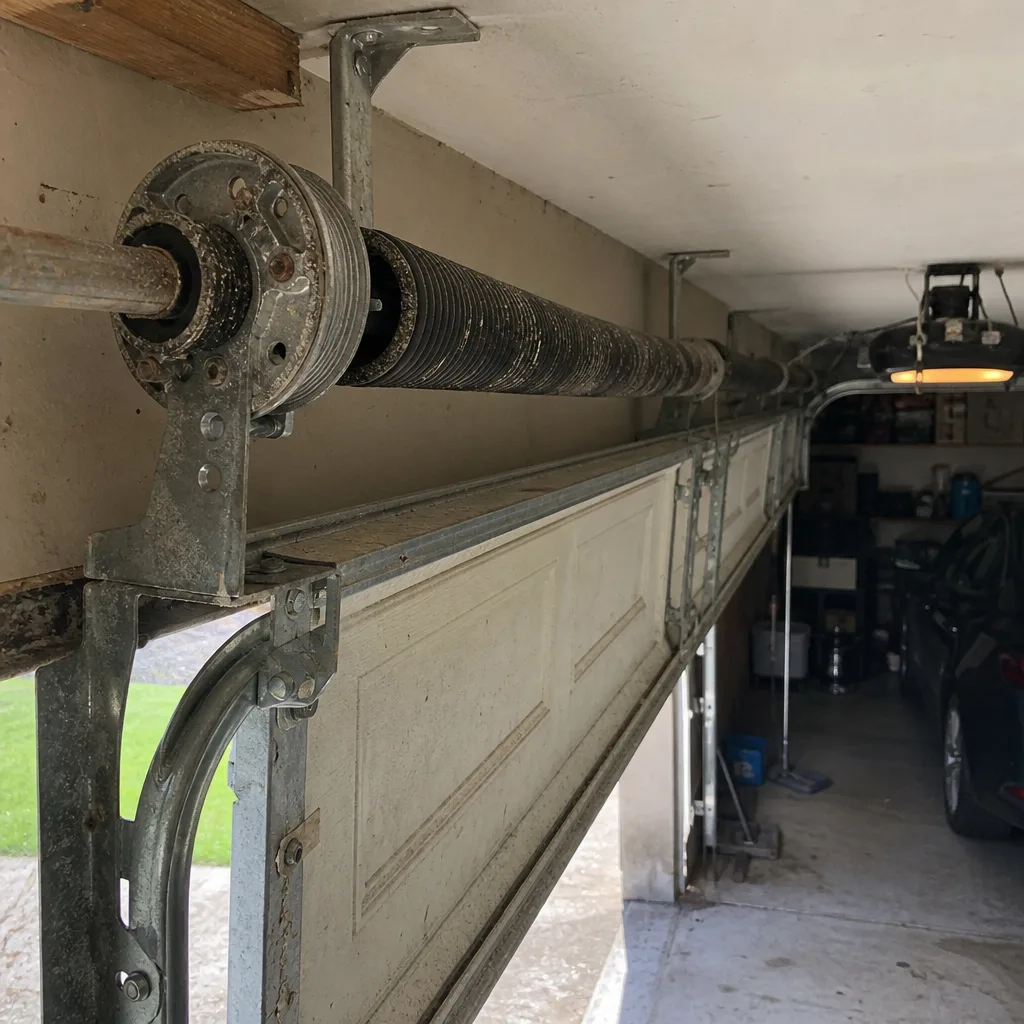 Before
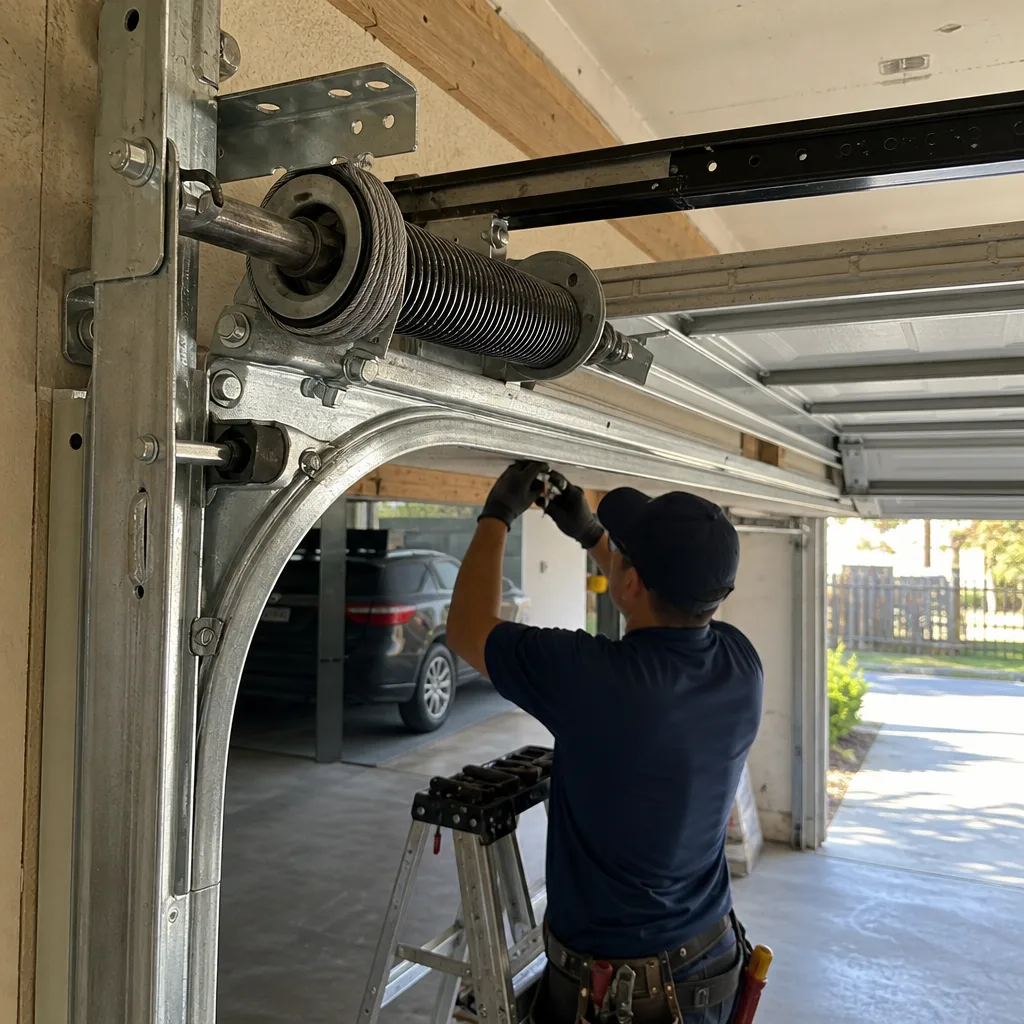 After
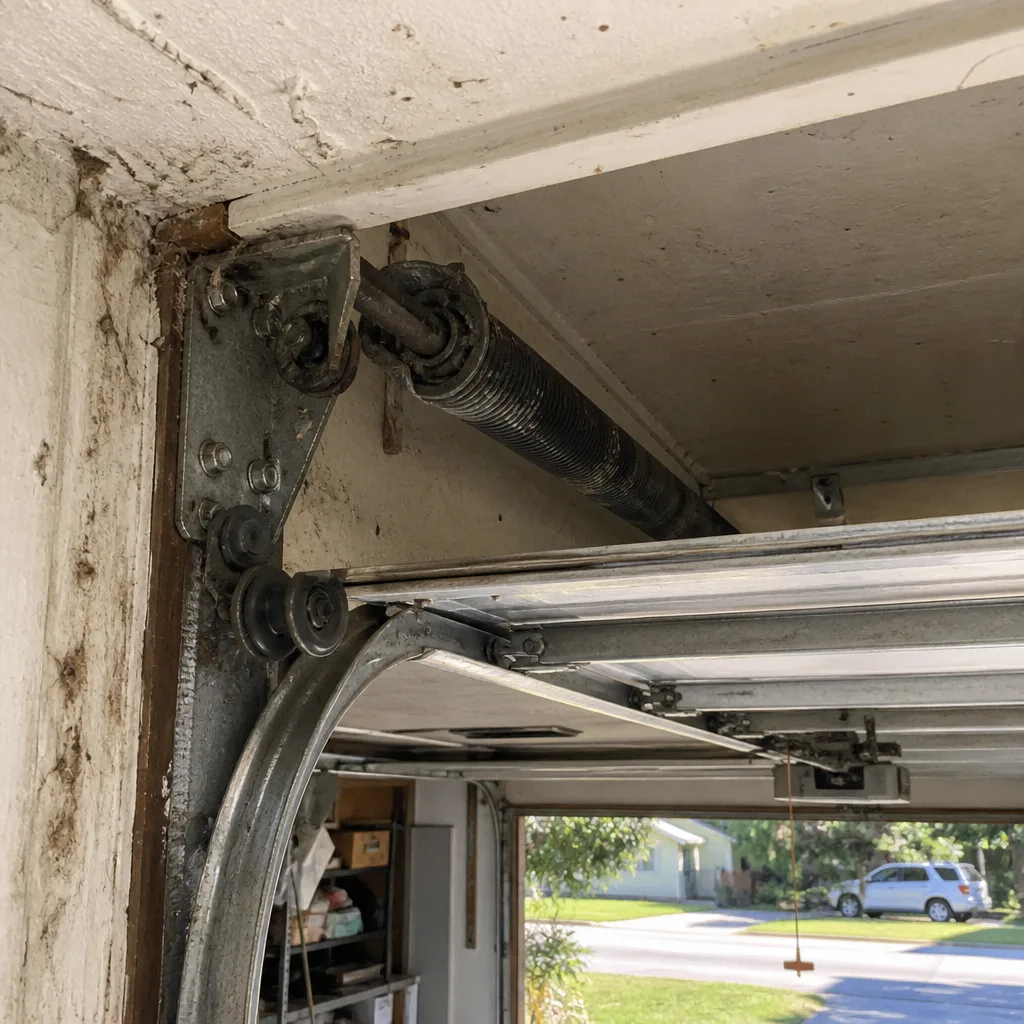 Before
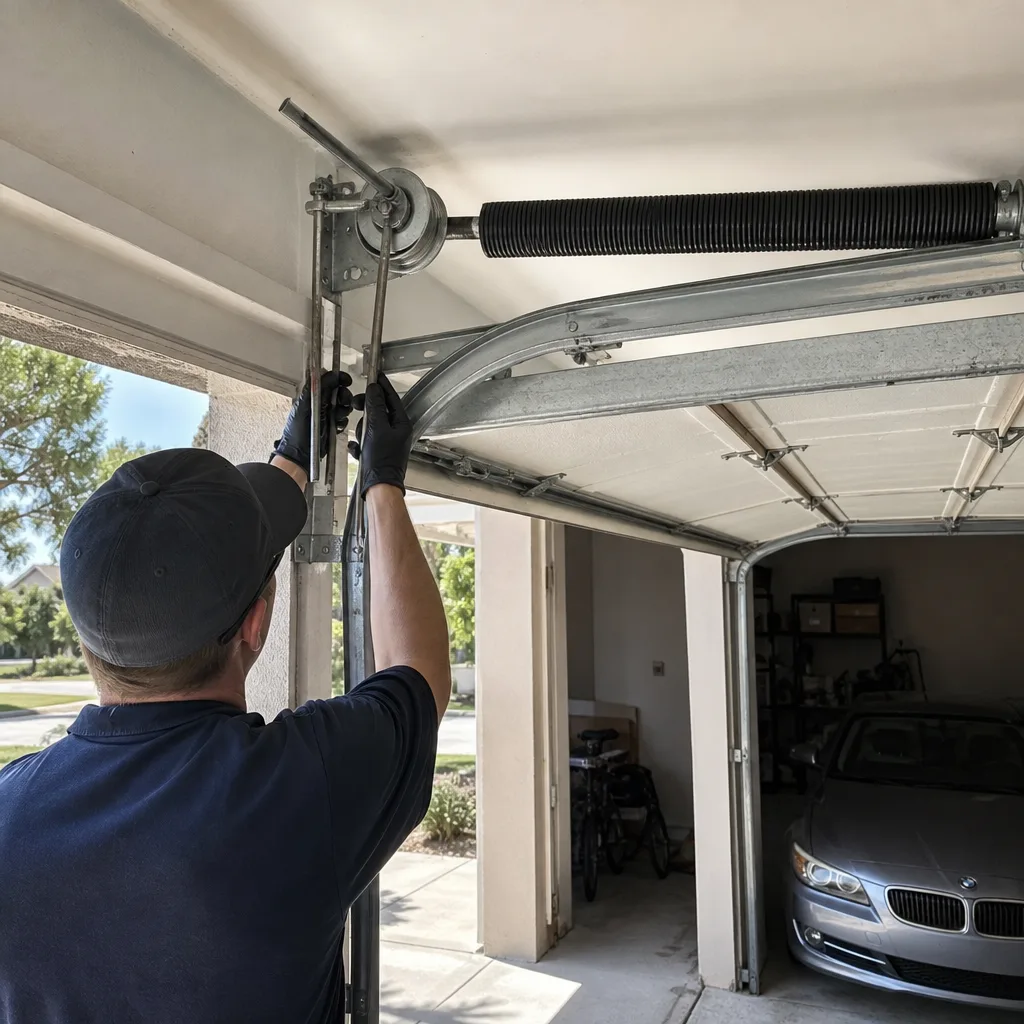 After
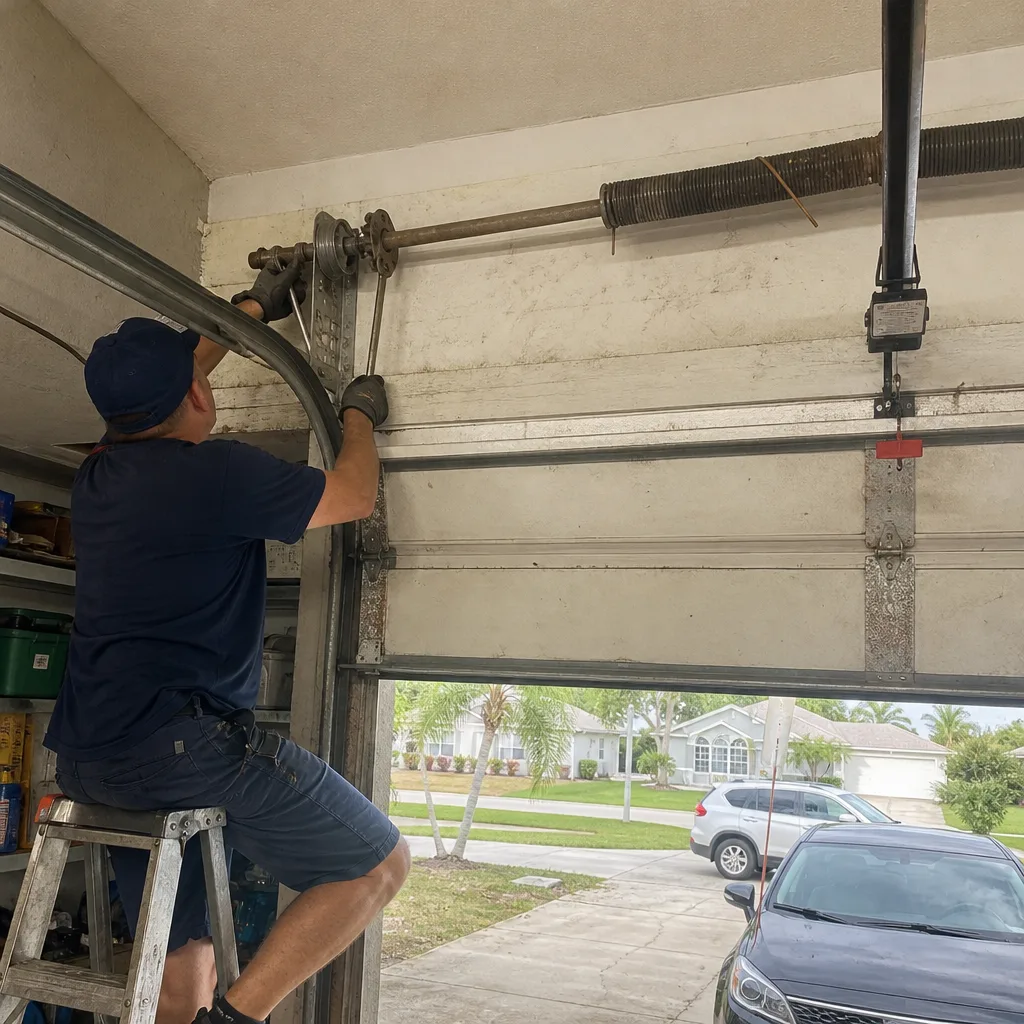 Before
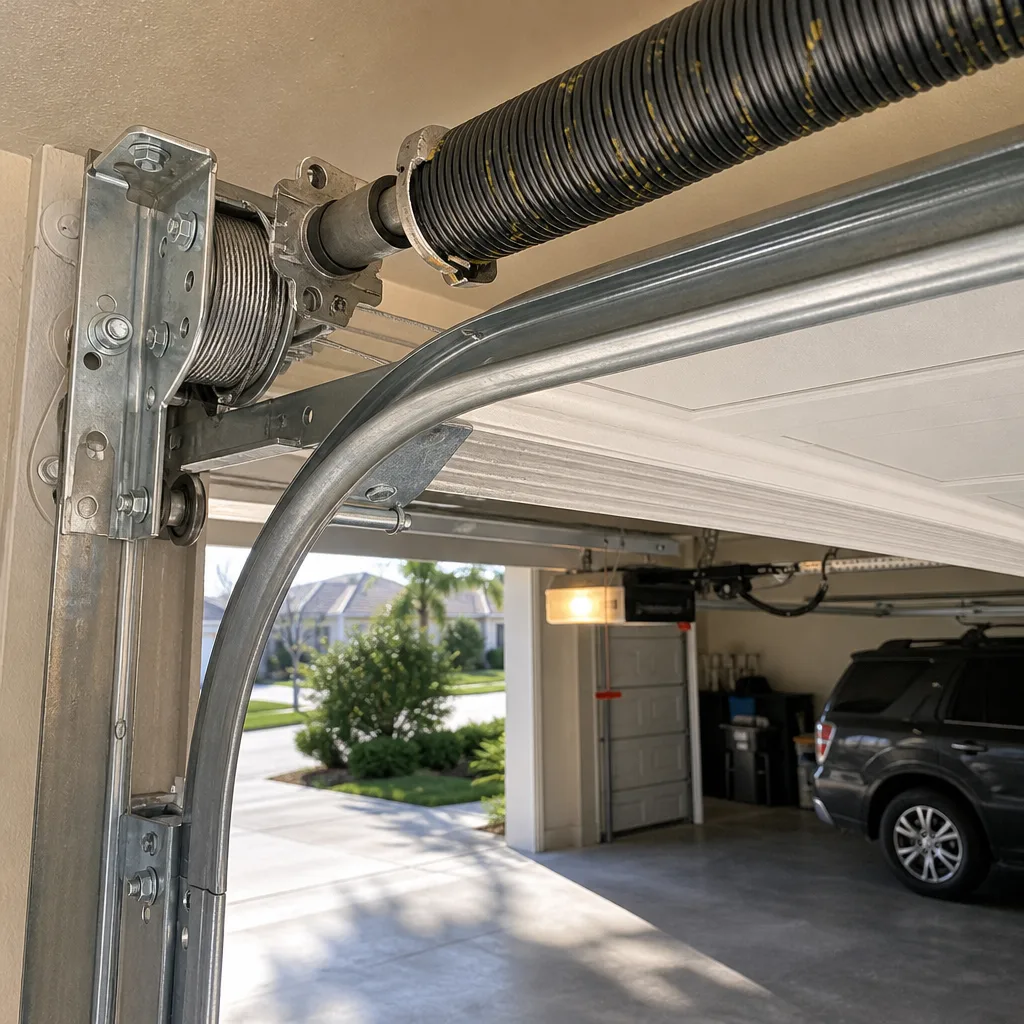 After